

What are the installation requirements for a hydraulic damper in a building?
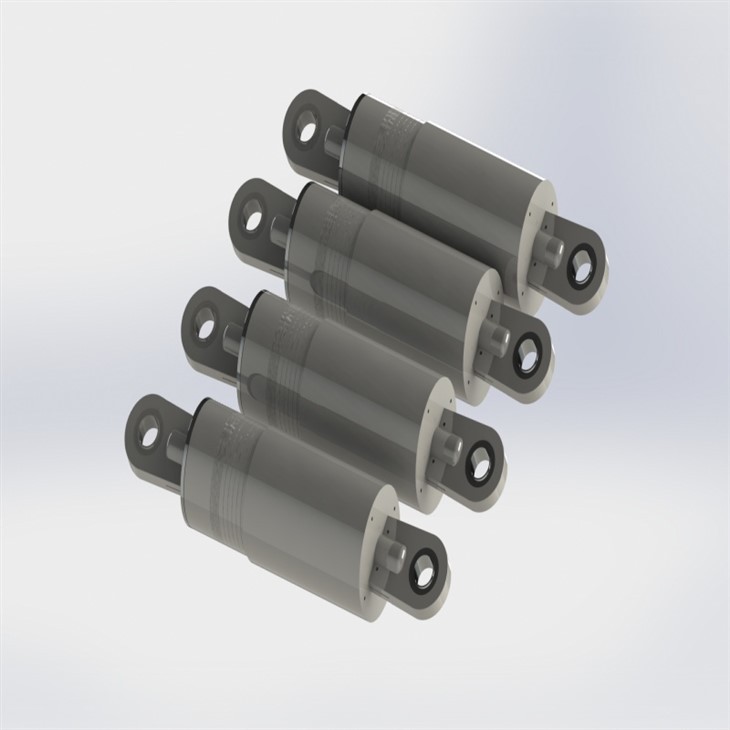
As a reputable Hydraulic Damper supplier, I've witnessed firsthand the critical role these devices play in enhancing the structural integrity and safety of buildings. Hydraulic dampers are designed to absorb and dissipate energy, reducing the impact of dynamic forces such as earthquakes, wind, and vibrations. However, to ensure their optimal performance, proper installation is paramount. In this blog post, I'll delve into the key installation requirements for hydraulic dampers in buildings.
1. Structural Compatibility
Before installing a hydraulic damper, it's essential to assess the structural compatibility of the building. The damper must be capable of withstanding the forces it will encounter during its service life. This involves evaluating the building's structural design, including the type of construction, the materials used, and the expected loads. For example, in a high - rise building, the damper needs to be able to handle large lateral forces caused by wind and seismic activity.
The building's structural members, such as beams and columns, should be strong enough to support the damper. Any necessary reinforcements should be made before the installation to prevent over - stressing of the structure. Additionally, the connection points between the damper and the building structure need to be carefully designed. These connections should transfer the forces from the damper to the structure efficiently without causing local damage.
2. Location Selection
The location of the hydraulic damper within the building is crucial for its effectiveness. The dampers should be placed at strategic points where they can best counteract the dynamic forces acting on the structure. In the case of seismic protection, dampers are often installed at the base of the building or at intermediate levels to reduce the seismic response. For wind - induced vibrations, they can be located on the upper floors where the wind forces are most significant.
When selecting the location, factors such as accessibility for maintenance, interference with other building systems (e.g., plumbing, electrical), and the overall architectural design should also be considered. The damper should not obstruct the normal use of the building spaces and should be easily reachable for inspection and servicing.
3. Alignment and Leveling
Proper alignment and leveling of the hydraulic damper are essential for its smooth operation. During installation, the damper must be accurately positioned according to the design specifications. Any misalignment can lead to uneven loading, reduced efficiency, and premature wear of the damper components.
The damper should be leveled both horizontally and vertically to ensure that the internal pistons and cylinders move freely without binding. This may require the use of precision measuring tools such as levels and alignment lasers. Once the damper is in position, it should be securely fastened to the building structure to prevent any movement during operation.
4. Installation Environment
The installation environment can significantly affect the performance and lifespan of the hydraulic damper. The damper should be installed in a clean and dry environment to prevent contamination of the hydraulic fluid. Exposure to dust, dirt, and moisture can cause damage to the internal components of the damper, leading to reduced performance and potential failure.
If the installation site is in an area with high humidity or extreme temperatures, appropriate protective measures should be taken. For example, in a coastal area with high salt content in the air, the damper may need to be coated with a corrosion - resistant material. In cold climates, insulation may be required to prevent the hydraulic fluid from freezing.
5. Hydraulic System Connection
The hydraulic damper is part of a hydraulic system, and proper connection of this system is vital. The hydraulic lines should be correctly sized and installed to ensure the efficient flow of hydraulic fluid. Leaks in the hydraulic system can lead to a loss of damping capacity and potential damage to the damper.
All connections should be tightly sealed using appropriate gaskets and fittings. The hydraulic fluid should be of the correct type and viscosity as specified by the damper manufacturer. Regular checks of the hydraulic system for leaks and fluid levels are necessary to maintain the proper functioning of the damper.
6. Testing and Commissioning
After the installation of the hydraulic damper, thorough testing and commissioning are required. This includes both static and dynamic tests to verify the performance of the damper. Static tests can be used to check the initial alignment, the integrity of the connections, and the basic functionality of the damper.
Dynamic tests involve subjecting the damper to simulated dynamic forces to evaluate its damping characteristics. These tests can be performed using specialized testing equipment and should be carried out in accordance with industry standards and the manufacturer's recommendations. Any issues identified during the testing phase should be promptly addressed before the damper is put into service.
7. Documentation
Proper documentation is an important part of the installation process. This includes detailed records of the installation, such as the installation date, the location of the damper, the type of connections used, and the results of the testing and commissioning. Documentation also helps in future maintenance and troubleshooting.
The documentation should be kept in a secure and accessible location for easy reference. It can also be useful for compliance with building codes and regulations, as well as for insurance purposes.
8. Training
The personnel involved in the installation, operation, and maintenance of the hydraulic damper should receive proper training. This training should cover the installation procedures, the operation principles of the damper, and the maintenance requirements.
Trained personnel are more likely to install the damper correctly, operate it safely, and perform regular maintenance to ensure its long - term performance. Training can be provided by the damper manufacturer or through specialized training programs.
As a [I'm a] Hydraulic Damper supplier, we understand the importance of these installation requirements. Our [Our] Hydraulic Dampers are designed to meet the highest quality standards, and we offer comprehensive support to ensure proper installation. If you're considering the installation of hydraulic dampers in your building, I encourage you to [We invite you to] contact us for more information and to discuss your specific needs. We're ready to assist you in making the right choice and ensuring a successful installation.
References
"Seismic Design of Buildings with Energy Dissipation Devices" - American Society of Civil Engineers
"Wind - Induced Vibration Control of Tall Buildings" - Journal of Structural Engineering
Manufacturer's installation manuals for hydraulic dampers.


