As a supplier of pipe hangers accessories, I often encounter customers who are unsure about how to choose the appropriate thread type for their specific needs. The thread type of pipe hangers accessories is a crucial factor that can significantly impact the performance, safety, and durability of the entire piping system. In this blog post, I will share some insights and guidelines on how to make the right choice.
Understanding Different Thread Types
Before diving into the selection process, it's essential to understand the common thread types used in pipe hangers accessories. The most prevalent ones include:
NPT (National Pipe Taper)
NPT is a widely used thread type in North America. It has a tapered design, which means the diameter of the thread decreases as it goes deeper into the fitting. This taper creates a tight seal when the threads are tightened together, making it suitable for applications where preventing leakage is critical, such as in plumbing and hydraulic systems. NPT threads are typically used with pipes carrying liquids or gases under pressure.
BSP (British Standard Pipe)
BSP is a thread standard used in many countries outside of North America. There are two main types of BSP threads: BSPP (British Standard Pipe Parallel) and BSPT (British Standard Pipe Taper). BSPP threads have a parallel design, while BSPT threads are tapered. BSP threads are commonly used in industries such as automotive, aerospace, and general engineering.
Metric Threads
Metric threads are used in countries that follow the metric system. They are characterized by their pitch, which is the distance between adjacent threads. Metric threads are available in both parallel and tapered designs, and they are widely used in various industries, including machinery, electronics, and construction.

Factors to Consider When Choosing Thread Types
Now that we have a basic understanding of different thread types, let's explore the factors that you should consider when choosing the appropriate thread type for your pipe hangers accessories.
Application Requirements
The first and most important factor to consider is the specific application of the pipe hangers accessories. Different applications have different requirements in terms of pressure, temperature, fluid type, and environmental conditions. For example, if you are working on a plumbing system that carries water at low pressure, NPT threads may be a suitable choice. On the other hand, if you are dealing with a high-pressure hydraulic system, you may need to use a more robust thread type, such as BSPT or metric tapered threads.
Compatibility with Existing Piping System
Another crucial factor is the compatibility of the thread type with the existing piping system. If you are replacing or adding pipe hangers accessories to an existing system, you need to ensure that the new thread type is compatible with the existing pipes and fittings. Using incompatible thread types can lead to leaks, poor performance, and even safety hazards. Therefore, it's essential to check the specifications of the existing system and choose a thread type that matches them.
Industry Standards and Regulations
Many industries have specific standards and regulations regarding the use of thread types in pipe hangers accessories. For example, the plumbing industry may have standards for the type of threads used in water supply and drainage systems, while the oil and gas industry may have strict requirements for the thread types used in high-pressure pipelines. It's important to familiarize yourself with the relevant industry standards and regulations and ensure that the thread type you choose complies with them.
Availability and Cost
The availability and cost of the thread type are also important considerations. Some thread types may be more readily available in the market, while others may require special ordering or longer lead times. Additionally, the cost of different thread types can vary significantly. You need to balance the availability and cost of the thread type with your specific requirements and budget.
Specific Considerations for Different Pipe Hangers Accessories
Let's take a closer look at some specific pipe hangers accessories and the thread types commonly used for them.
Pipe Clamps
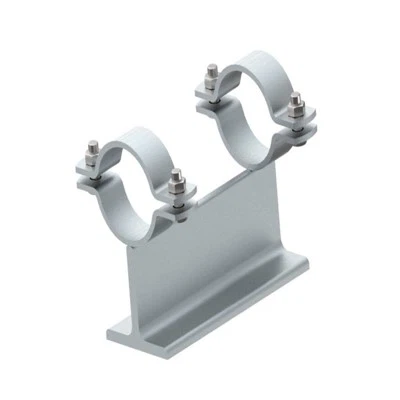
Pipe Clamps are used to secure pipes to a structure or support. They come in various sizes and designs, and the thread type used for pipe clamps depends on the application and the type of pipe being clamped. For light-duty applications, such as clamping small-diameter pipes in a residential plumbing system, NPT threads may be sufficient. However, for heavy-duty applications, such as clamping large-diameter pipes in an industrial setting, BSP or metric threads may be more appropriate.
Pipe Lugs
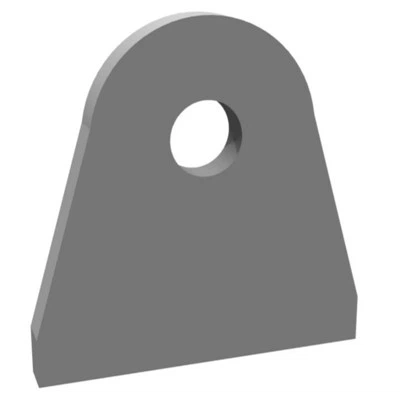
Pipe Lugs are used to attach pipes to hangers or supports. They are typically welded or bolted to the pipe, and the thread type used for pipe lugs depends on the method of attachment. If the pipe lugs are bolted to the pipe, the thread type of the bolts should match the thread type of the holes in the pipe lugs. NPT, BSP, or metric threads can be used depending on the application and the compatibility with the existing system.
Adjustable Pipe Hanger Rods
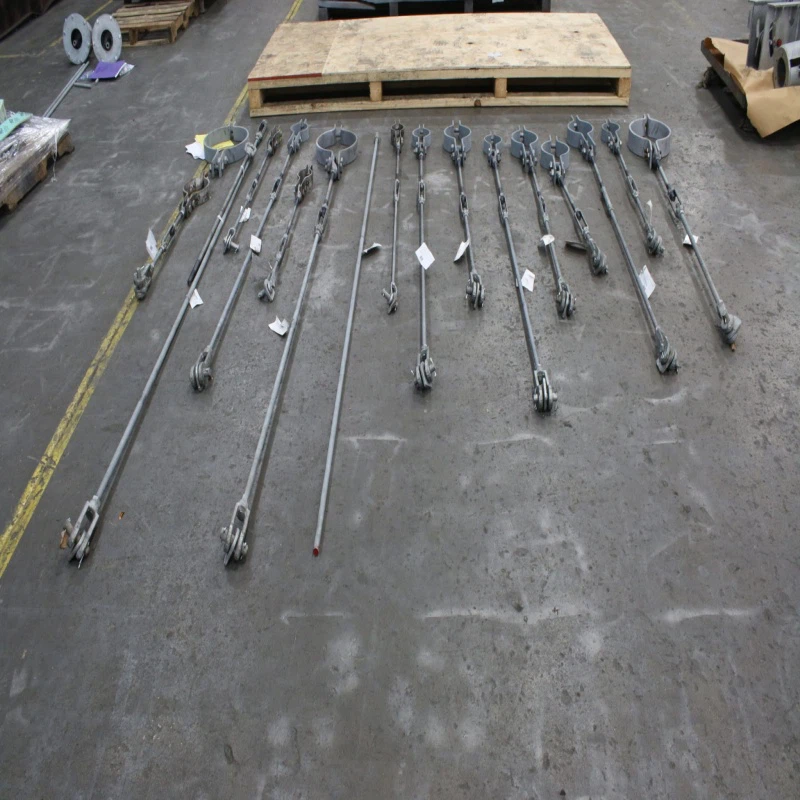
Adjustable Pipe Hanger Rods are used to support pipes at different heights and angles. They are typically threaded at both ends to allow for adjustment. The thread type used for adjustable pipe hanger rods depends on the application and the compatibility with the other components of the pipe hanger system. NPT, BSP, or metric threads can be used, and it's important to ensure that the thread type is consistent throughout the system.
Making the Final Decision
After considering all the factors mentioned above, you should be able to make an informed decision about the appropriate thread type for your pipe hangers accessories. Here are some steps to help you finalize your decision:

- Consult with Experts: If you are still unsure about which thread type to choose, it's a good idea to consult with experts in the field, such as engineers, plumbers, or pipe hanger manufacturers. They can provide valuable insights and recommendations based on their experience and expertise.
- Test and Validate: Before making a large-scale purchase, it's advisable to test the selected thread type in a small-scale application to ensure that it meets your requirements. This can help you identify any potential issues or problems early on and make necessary adjustments.
- Document and Maintain Records: Once you have chosen the appropriate thread type, it's important to document the specifications and maintain records for future reference. This can help you ensure consistency in your piping systems and make it easier to replace or repair components in the future.
Contact Us for Your Pipe Hangers Accessories Needs
If you are in the market for high-quality pipe hangers accessories and need assistance in choosing the appropriate thread type, we are here to help. As a leading supplier of pipe hangers accessories, we have a wide range of products available in different thread types to meet your specific requirements. Our team of experts can provide you with professional advice and guidance to ensure that you make the right choice.
Whether you are working on a small residential project or a large industrial installation, we can offer you the best solutions at competitive prices. Contact us today to discuss your needs and start the procurement process. We look forward to working with you!
References
- "Pipe Thread Standards Handbook" by the American Society of Mechanical Engineers (ASME)
- "Plumbing Engineering Design Handbook" by the American Society of Plumbing Engineers (ASPE)
- "Industrial Pipe Fittings Handbook" by the International Association of Plumbing and Mechanical Officials (IAPMO)