A butterfly damper is a crucial component in various industrial and commercial applications, known for its unique design and functionality. As a damper supplier, I have had the privilege of working closely with these devices and understanding their distinct characteristics. In this blog, I will delve into the key features that make butterfly dampers stand out in the market.
Structural Design
One of the most prominent characteristics of a butterfly damper is its simple yet effective structural design. It consists of a circular disc, known as the damper blade, which is mounted on a shaft at the center of the damper's housing. The blade can rotate within the housing, allowing for the regulation of airflow or fluid flow. This design is similar to the wings of a butterfly, hence the name.
The simplicity of the design offers several advantages. Firstly, it is relatively easy to manufacture, which translates to lower production costs. This makes butterfly dampers an economical choice for many applications. Secondly, the compact size of the damper means that it can be easily installed in tight spaces, making it suitable for a wide range of installations.
Flow Control
Butterfly dampers are highly effective in controlling the flow of air, gas, or other fluids. By adjusting the angle of the damper blade, the cross - sectional area of the flow path can be varied. When the blade is parallel to the flow direction, the damper is fully open, allowing maximum flow. Conversely, when the blade is perpendicular to the flow direction, the damper is fully closed, blocking the flow completely.
The flow control provided by butterfly dampers is precise and continuous. The damper blade can be set at any angle between fully open and fully closed, enabling operators to fine - tune the flow rate according to the specific requirements of the system. This level of control is essential in applications such as HVAC (Heating, Ventilation, and Air Conditioning) systems, where maintaining the right airflow is crucial for comfort and energy efficiency.
Low Pressure Drop
Another significant characteristic of butterfly dampers is their low pressure drop. Pressure drop refers to the decrease in pressure that occurs as a fluid flows through a device. In the case of butterfly dampers, the streamlined design of the damper blade minimizes the disruption to the flow, resulting in a relatively small pressure drop.
A low pressure drop is beneficial for several reasons. In energy - intensive applications, such as industrial ventilation systems, a lower pressure drop means less energy is required to move the fluid through the system. This leads to reduced operating costs and improved energy efficiency. Additionally, a low pressure drop helps to maintain the stability of the system, as it minimizes the impact on the overall pressure distribution.
Quick Operation
Butterfly dampers are known for their quick operation. The rotation of the damper blade can be achieved rapidly, allowing for fast response times in controlling the flow. This is particularly important in applications where sudden changes in flow rate are required, such as in emergency shutdown situations or in systems that need to adapt to changing process conditions.
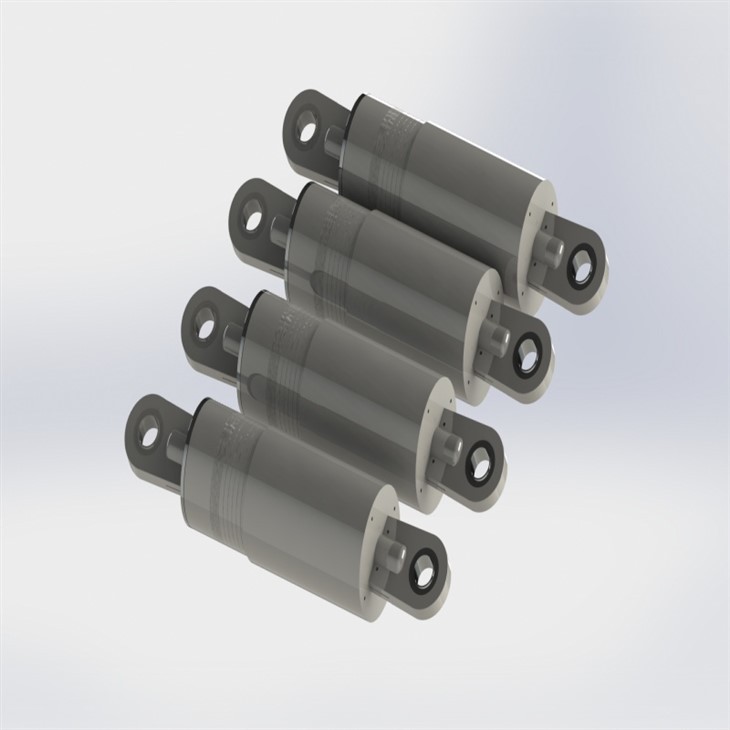
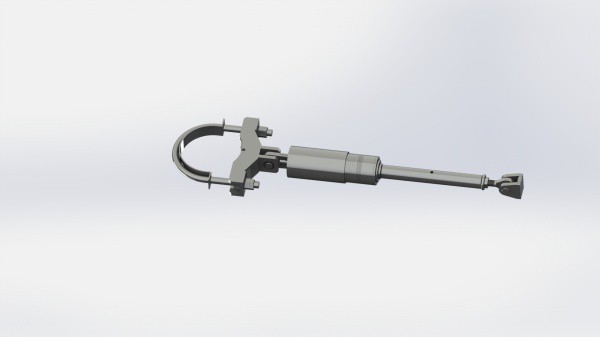
The quick operation of butterfly dampers can be further enhanced by using appropriate actuators. Electric, pneumatic, or hydraulic actuators can be used to automate the movement of the damper blade, enabling remote control and precise positioning. For example, Hydraulic Damper and Hydraulic Shock Absorber can provide reliable and fast actuation, ensuring that the damper responds promptly to control signals.
Versatility
Butterfly dampers are highly versatile and can be used in a wide range of applications. They are commonly used in HVAC systems to control the airflow in ducts, in industrial ventilation systems to regulate the exhaust of pollutants, and in power plants to control the flow of flue gases.
In addition to different industries, butterfly dampers can also handle various types of fluids. They can be used with air, gases, and even some liquids, depending on the material of construction. For example, dampers made of stainless steel or other corrosion - resistant materials can be used in applications where the fluid is corrosive.
Sealing Performance
Good sealing performance is a critical characteristic of butterfly dampers, especially in applications where leakage needs to be minimized. Modern butterfly dampers are designed with advanced sealing mechanisms to ensure a tight seal when the damper is closed.
The sealing performance can be improved by using high - quality sealing materials, such as elastomers or gaskets. These materials are selected for their durability and ability to withstand the operating conditions of the system. Additionally, the design of the damper blade and housing is optimized to ensure a proper fit, reducing the chances of leakage around the edges of the blade.
Maintenance Requirements
Butterfly dampers generally have relatively low maintenance requirements. Their simple design means that there are fewer moving parts compared to other types of dampers, reducing the likelihood of mechanical failures. However, regular maintenance is still necessary to ensure optimal performance.
Maintenance tasks typically include inspecting the damper blade for any signs of wear or damage, checking the sealing materials for integrity, and lubricating the moving parts if required. By following a proper maintenance schedule, the lifespan of the butterfly damper can be extended, and its performance can be maintained over time.
Cost - Effectiveness
As mentioned earlier, the simple design and ease of manufacture of butterfly dampers contribute to their cost - effectiveness. In addition to the lower production costs, the low energy consumption and reduced maintenance requirements also make them an economical choice in the long run.
For businesses, choosing a cost - effective damper solution can have a significant impact on the bottom line. By investing in butterfly dampers, companies can save on both initial purchase costs and ongoing operating expenses, making them a smart choice for a wide range of applications.
Conclusion
In conclusion, butterfly dampers possess a variety of characteristics that make them a popular choice in many industries. Their simple design, precise flow control, low pressure drop, quick operation, versatility, good sealing performance, low maintenance requirements, and cost - effectiveness set them apart from other types of dampers.
If you are in the market for a reliable and efficient damper solution, I encourage you to consider butterfly dampers. As a damper supplier, I have the expertise and experience to provide you with the right damper for your specific application. Whether you need a damper for a small HVAC system or a large industrial ventilation project, I can offer customized solutions to meet your requirements. Contact me today to start a discussion about your damper needs and explore how we can work together to achieve your goals.
References
- ASHRAE Handbook - HVAC Systems and Equipment. American Society of Heating, Refrigerating and Air - Conditioning Engineers.
- Industrial Ventilation: A Manual of Recommended Practice. American Conference of Governmental Industrial Hygienists.
- Damper Selection and Application Guide. Various industry publications.