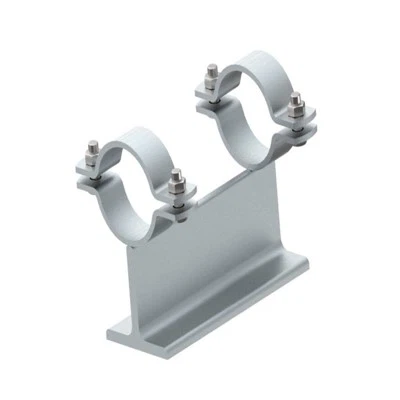
In the realm of industrial piping systems, the stability of pipe saddle supports is of paramount significance. As a dedicated Pipe Saddle Support supplier, I understand the critical role these components play in ensuring the safe and efficient operation of pipelines. In this blog, I will share some key strategies and considerations to help you ensure the stability of pipe saddle supports.
Understanding the Basics of Pipe Saddle Supports
Before delving into the stability aspects, it's essential to have a clear understanding of what pipe saddle supports are. Pipe saddle supports are structural components designed to support pipes and distribute the weight of the pipes and their contents evenly. They are typically installed at regular intervals along the pipeline to prevent sagging, vibration, and excessive stress on the pipes.
Pipe saddle supports come in various shapes and sizes, depending on the specific requirements of the piping system. Some common types include T-Type Pipe Supports with Clamp and T-Type Pipe Support with Wear Pad. These supports are made from high-quality materials such as steel, stainless steel, or aluminum to ensure durability and strength.
Factors Affecting the Stability of Pipe Saddle Supports
Several factors can influence the stability of pipe saddle supports. Understanding these factors is crucial for designing and implementing an effective support system. Here are some of the key factors to consider:
Pipe Load
The weight of the pipe and its contents is one of the primary factors affecting the stability of pipe saddle supports. The support system must be designed to withstand the maximum anticipated load without excessive deflection or failure. When calculating the pipe load, it's important to consider not only the weight of the pipe itself but also the weight of the fluid or gas it carries, as well as any additional loads such as insulation or seismic forces.
Pipe Movement
Pipes can experience various types of movement, including thermal expansion and contraction, vibration, and seismic activity. These movements can exert significant forces on the pipe saddle supports, potentially leading to instability. To accommodate pipe movement and ensure stability, the support system should be designed with appropriate flexibility and allowances for movement. This may involve using expansion joints, flexible connectors, or sliding supports.
Support Spacing
The spacing between pipe saddle supports is another critical factor in ensuring stability. If the supports are too far apart, the pipe may sag or deflect excessively, leading to stress concentrations and potential failure. On the other hand, if the supports are too close together, it can increase the cost of the support system and may not be necessary. The optimal support spacing depends on several factors, including the pipe diameter, material, load, and movement characteristics.
Foundation and Mounting
The stability of pipe saddle supports also depends on the quality of the foundation and the method of mounting. The foundation must be strong enough to support the weight of the pipes and the supports without settling or shifting. The supports should be securely mounted to the foundation using appropriate fasteners or welding techniques to prevent movement or dislodgment.
Strategies for Ensuring the Stability of Pipe Saddle Supports
Based on the factors mentioned above, here are some strategies that can help you ensure the stability of pipe saddle supports:
Proper Design and Engineering
The first step in ensuring the stability of pipe saddle supports is to have a proper design and engineering process. This involves conducting a detailed analysis of the piping system, including the pipe load, movement, and support requirements. The support system should be designed to meet the specific needs of the application, taking into account factors such as the type of fluid or gas being transported, the operating conditions, and the environmental factors.
Use of High-Quality Materials
The quality of the materials used in the pipe saddle supports is crucial for ensuring stability and durability. High-quality materials such as steel, stainless steel, or aluminum offer excellent strength, corrosion resistance, and fatigue resistance. When selecting materials, it's important to consider the specific requirements of the application, including the temperature, pressure, and chemical environment.
Regular Inspection and Maintenance
Regular inspection and maintenance are essential for ensuring the long-term stability of pipe saddle supports. Inspections should be conducted at regular intervals to check for signs of wear, damage, or corrosion. Any issues should be addressed promptly to prevent further damage and ensure the continued safe operation of the piping system. Maintenance activities may include cleaning, lubrication, and replacement of worn or damaged components.
Training and Education
Proper training and education of the personnel involved in the installation, operation, and maintenance of pipe saddle supports are also important for ensuring stability. The personnel should be familiar with the design and installation requirements of the support system, as well as the proper inspection and maintenance procedures. Training programs can help to ensure that the personnel have the necessary skills and knowledge to perform their tasks effectively and safely.
Conclusion
Ensuring the stability of pipe saddle supports is crucial for the safe and efficient operation of industrial piping systems. By understanding the factors affecting stability, implementing appropriate design and engineering strategies, using high-quality materials, conducting regular inspections and maintenance, and providing proper training and education, you can minimize the risk of instability and ensure the long-term reliability of your piping system.


If you are looking for high-quality Pipe Saddle Support solutions, we are here to help. As a leading supplier of pipe supports, we offer a wide range of products and services to meet your specific needs. Contact us today to learn more about our products and discuss your requirements. We look forward to working with you to ensure the stability and performance of your piping system.
References
- "Pipe Support Design Manual" by Professional Publications Inc.
- "Handbook of Piping Design" by William L. Andrews and John D. O'Brien
- "Piping and Pipeline Engineering: Design, Construction, Maintenance, Integrity, and Repair" by George A. Antaki