Can a pressure vessel be used for storing gases? That's a question I get asked a lot as a pressure vessel supplier. And the short answer is yes, pressure vessels are commonly used for storing gases. But there's a whole lot more to it than that, so let's dive in and explore the ins and outs of using pressure vessels for gas storage.
First off, what exactly is a pressure vessel? Well, it's a container designed to hold gases or liquids at a pressure significantly different from the ambient pressure. These vessels are built to withstand the internal pressure exerted by the substance inside, and they come in all shapes and sizes, from small cylinders to large industrial tanks.
When it comes to storing gases, pressure vessels offer several key advantages. One of the biggest benefits is their ability to store large volumes of gas in a relatively small space. By compressing the gas, you can fit a whole lot more of it into a container than you could if it were in its normal, uncompressed state. This is especially important for industries that need to store large amounts of gas, like the oil and gas industry, the chemical industry, and the food and beverage industry.
Another advantage of using pressure vessels for gas storage is their safety. These vessels are designed and built to strict safety standards to ensure that they can withstand the high pressures and temperatures associated with gas storage. They're also equipped with various safety features, like pressure relief valves and rupture disks, to prevent over-pressurization and potential explosions.
But not all pressure vessels are created equal when it comes to gas storage. There are several factors that need to be considered when choosing a pressure vessel for storing gases, including the type of gas, the pressure and temperature requirements, and the intended use of the vessel.


Let's start with the type of gas. Different gases have different properties, and these properties can affect the choice of pressure vessel. For example, some gases are highly reactive and can corrode certain materials, so you need to choose a vessel made from a material that's resistant to corrosion. Other gases are flammable or explosive, so you need to choose a vessel that's designed to prevent ignition and explosion.
The pressure and temperature requirements are also important factors to consider. The pressure inside a pressure vessel can vary depending on the type of gas and the intended use of the vessel. Some gases need to be stored at high pressures, while others can be stored at lower pressures. Similarly, the temperature inside the vessel can also affect the choice of material and the design of the vessel. Some gases need to be stored at low temperatures, while others can be stored at room temperature.
Finally, the intended use of the vessel is also an important consideration. For example, if the vessel is going to be used for transportation, it needs to be designed to withstand the vibrations and shocks associated with transportation. If the vessel is going to be used for long-term storage, it needs to be designed to prevent leaks and corrosion over time.
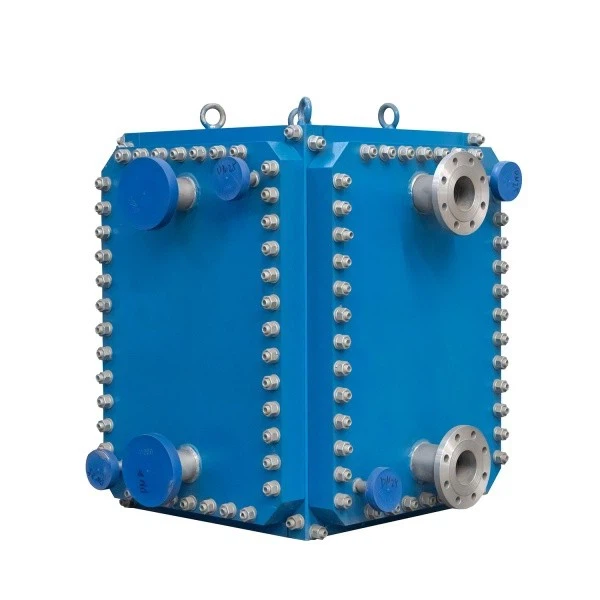
At our company, we offer a wide range of pressure vessels for storing gases, including Gas To Gas Air Preheater For Waste Heat Recovery, Asme Customerized Welded Plate Heat Exchanger, and Reactor. Our vessels are designed and built to the highest safety standards and are made from high-quality materials to ensure long-lasting performance.
We also offer custom-designed pressure vessels to meet the specific needs of our customers. Whether you need a vessel for storing a particular gas, a vessel with a specific pressure and temperature rating, or a vessel for a particular application, we can work with you to design and build the perfect vessel for your needs.
In conclusion, pressure vessels are an excellent choice for storing gases. They offer several key advantages, including the ability to store large volumes of gas in a small space, their safety, and their versatility. However, it's important to choose the right pressure vessel for the job, taking into account the type of gas, the pressure and temperature requirements, and the intended use of the vessel.
If you're in the market for a pressure vessel for storing gases, we'd love to hear from you. Our team of experts can help you choose the right vessel for your needs and can provide you with all the information and support you need to make an informed decision. So why wait? Contact us today to learn more about our pressure vessels and to start the process of purchasing the perfect vessel for your business.
References
- ASME Boiler and Pressure Vessel Code
- API Standards for Pressure Vessels
- ISO Standards for Pressure Vessels