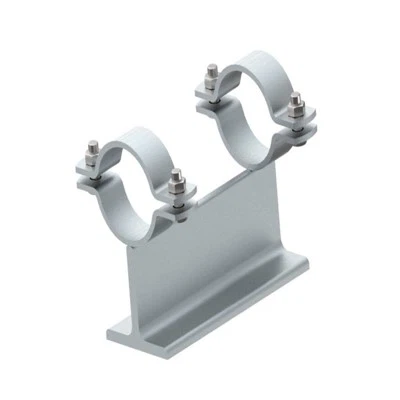
Hey there! As a supplier of rigid pipe supports, I often get asked a bunch of questions about our products. One question that pops up quite a bit is, "Can a rigid pipe support be painted?" Well, let's dive right into this topic and find out.
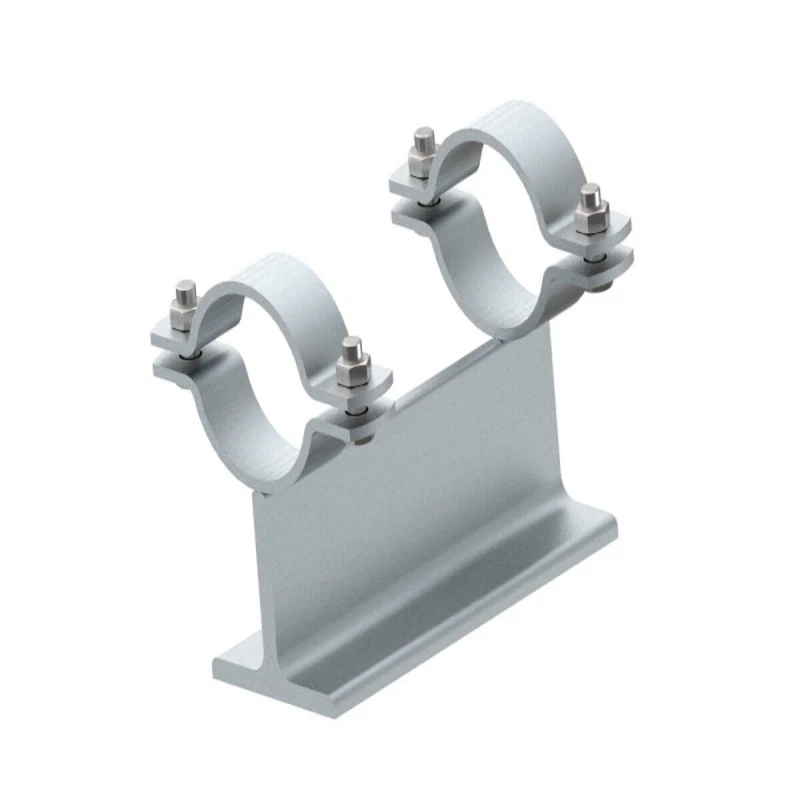
First off, let's understand what rigid pipe supports are. These are essential components in various industries, like oil and gas, chemical plants, and even in some large - scale building projects. They're designed to hold pipes in place, ensuring that the pipes don't move around too much due to factors like vibration, thermal expansion, or external forces. We offer different types of rigid pipe supports, such as Pipe Saddle Support, T - Type Pipe Supports with Clamp, and T - Type Pipe Support with Wear Pad.
Now, back to the question: can they be painted? The short answer is yes, rigid pipe supports can be painted. But there are a few things to consider before you go ahead and start slapping on that paint.
Why Paint a Rigid Pipe Support?
There are several good reasons to paint your rigid pipe supports. One of the main reasons is corrosion protection. Most rigid pipe supports are made of metal, and metal has a tendency to rust when exposed to moisture and oxygen. A good coat of paint acts as a barrier between the metal and the elements, preventing corrosion from setting in. This not only extends the lifespan of the pipe support but also reduces the need for frequent replacements, which can save you a lot of money in the long run.
Another reason is aesthetics. In some cases, especially in commercial or public buildings, the appearance of the pipe supports matters. A painted pipe support can blend in better with the surrounding environment, making the overall setup look more professional and tidy.
Factors to Consider Before Painting
Before you start painting your rigid pipe supports, there are a few factors you need to take into account.
Surface Preparation
This is crucial. If the surface of the pipe support isn't properly prepared, the paint won't adhere well, and you'll end up with a flaky, uneven finish. First, you need to clean the surface thoroughly. Remove any dirt, grease, rust, or old paint. You can use a wire brush, sandpaper, or a chemical cleaner for this. Once the surface is clean, it's a good idea to roughen it up a bit to give the paint something to grip onto. Sanding is a great way to do this.
Type of Paint
Not all paints are created equal. You need to choose a paint that's suitable for the environment where the pipe support will be installed. For example, if the pipe support will be exposed to high temperatures, you'll need a heat - resistant paint. If it's going to be in a wet or humid area, a waterproof paint is a must. Epoxy paints are often a good choice for pipe supports because they're durable and provide excellent corrosion protection.
Application Method
There are different ways to apply paint, such as brushing, spraying, or dipping. Each method has its pros and cons. Brushing is a simple and cost - effective method, but it can leave brush marks. Spraying gives a more even finish, but it requires special equipment and can be a bit messy. Dipping is suitable for small pipe supports, but it may not be practical for larger ones.
The Painting Process
Once you've considered all the factors and gathered the necessary materials, here's a step - by - step guide to painting your rigid pipe supports.

- Prepare the Work Area: Lay down some drop cloths to protect the surrounding area from paint splatters. Make sure the area is well - ventilated to avoid inhaling paint fumes.
- Mask Off Areas: If there are any parts of the pipe support that you don't want to paint, like connection points or areas that need to be in direct contact with other components, mask them off with tape.
- Apply Primer: A primer helps the paint adhere better and provides an extra layer of protection. Use a brush or a sprayer to apply the primer evenly over the surface of the pipe support. Let the primer dry completely according to the manufacturer's instructions.
- Apply Paint: Once the primer is dry, it's time to apply the paint. Use the application method you've chosen and apply thin, even coats. Don't try to cover everything in one thick coat, as this can lead to drips and uneven drying. Let each coat dry before applying the next one.
- Inspect the Finish: After the final coat has dried, inspect the pipe support for any imperfections. If there are any drips or rough spots, you can sand them down and apply another thin coat of paint if necessary.
Potential Issues
While painting rigid pipe supports can be beneficial, there are also some potential issues to be aware of.
Over - painting
If you apply too many coats of paint or the paint is too thick, it can add unnecessary weight to the pipe support. This can affect its performance, especially if it's supporting heavy pipes.
Chemical Compatibility
Some paints may react with the material of the pipe support or with other substances in the environment. For example, if the pipe support is in contact with certain chemicals, the paint may break down or release harmful substances. Make sure to check the chemical compatibility of the paint before using it.
Conclusion
So, to sum it up, yes, a rigid pipe support can be painted, and there are many good reasons to do so. But it's important to do it right. Proper surface preparation, choosing the right paint, and using the correct application method are all key to achieving a long - lasting, high - quality finish.
If you're in the market for rigid pipe supports or have any questions about painting them, don't hesitate to reach out. We're here to help you make the best choices for your project. Whether you need a Pipe Saddle Support, T - Type Pipe Supports with Clamp, or T - Type Pipe Support with Wear Pad, we've got you covered. Contact us today to start the procurement process and let's work together to ensure your pipes are well - supported.
References
- "Pipe Support Handbook" - A comprehensive guide on pipe supports and their maintenance.
- Manufacturer's guidelines for different types of paints and pipe supports.