When it comes to the question of whether a rigid pipe support can be used in a high - temperature environment, it's a topic that demands a comprehensive exploration. As a supplier of rigid pipe supports, I've encountered numerous inquiries from clients regarding the suitability of our products under extreme temperature conditions. In this blog, I'll delve into the technical aspects, advantages, limitations, and practical applications of using rigid pipe supports in high - temperature settings.
Understanding Rigid Pipe Supports
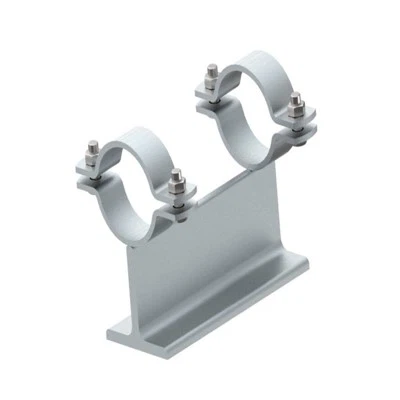
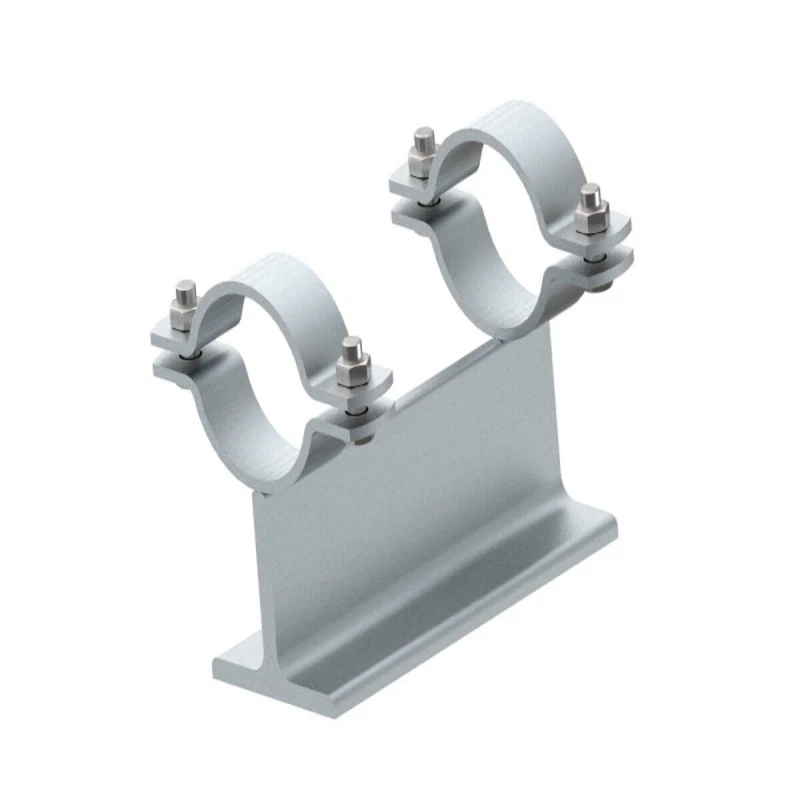
Rigid pipe supports are fundamental components in piping systems. They are designed to provide fixed points of support, restricting the movement of pipes and ensuring their stability. These supports come in various types, each tailored to specific requirements. For instance, T-Type Pipe Supports with Clamp are ideal for applications where a secure grip on the pipe is necessary. They feature a clamp mechanism that firmly holds the pipe in place, preventing any lateral or vertical displacement.
Another type is the T-Type Pipe Support with Wear Pad. The wear pad in this support serves as a protective layer between the pipe and the support structure. It reduces friction and wear, especially in situations where the pipe may experience some degree of movement or vibration.
The Pipe Saddle Support is designed to cradle the pipe, providing a large contact area. This type of support is excellent for distributing the weight of the pipe evenly, reducing stress concentrations and minimizing the risk of pipe damage.
High - Temperature Environments: Challenges and Considerations
High - temperature environments pose unique challenges to pipe support systems. The primary issue is thermal expansion. As the temperature of the pipe increases, it expands in length and diameter. If the pipe support system is not designed to accommodate this expansion, it can lead to excessive stress on the pipes, supports, and even the connected equipment.
Material selection is crucial when using rigid pipe supports in high - temperature environments. Most traditional materials used for pipe supports, such as carbon steel, have a coefficient of thermal expansion. At high temperatures, this can cause the support to deform or lose its integrity. Therefore, materials with high - temperature resistance, such as stainless steel or special alloys, are often preferred. These materials can withstand the elevated temperatures without significant deformation, ensuring the long - term stability of the pipe support system.
Another consideration is the effect of high temperatures on the mechanical properties of the support. High temperatures can reduce the strength and hardness of the material, making it more susceptible to creep. Creep is the slow, progressive deformation of a material under a constant load at high temperatures. To mitigate this, the design of the rigid pipe support must take into account the expected temperature range and the duration of exposure. Reinforcement features, such as thicker walls or additional bracing, can be incorporated to enhance the support's resistance to creep.
Advantages of Using Rigid Pipe Supports in High - Temperature Environments
Despite the challenges, there are several advantages to using rigid pipe supports in high - temperature environments. Firstly, rigid supports provide a high level of stability. In applications where precise positioning of the pipes is critical, such as in chemical processing plants or power generation facilities, rigid supports ensure that the pipes remain in place, preventing any misalignment that could lead to leaks or equipment failure.

Secondly, rigid pipe supports can effectively transfer the weight of the pipes and the fluid they carry to the supporting structure. This is particularly important in high - temperature environments where the pipes may be filled with hot, dense fluids. By providing a stable support, the risk of pipe sagging or collapse is significantly reduced.
Thirdly, rigid supports can protect the pipes from external forces. In high - temperature environments, the pipes may be exposed to thermal shock, vibration, or mechanical impact. Rigid supports act as a buffer, absorbing these forces and preventing damage to the pipes.
Limitations and Mitigation Strategies
However, rigid pipe supports also have some limitations in high - temperature environments. As mentioned earlier, thermal expansion can cause stress on the pipes and supports. To address this, expansion joints can be incorporated into the piping system. These joints allow the pipes to expand and contract freely without putting excessive stress on the supports.
Another limitation is the potential for corrosion at high temperatures. High - temperature environments can accelerate the corrosion process, especially in the presence of moisture or corrosive chemicals. To prevent corrosion, protective coatings can be applied to the rigid pipe supports. These coatings act as a barrier, preventing the metal from coming into contact with the corrosive elements.
Practical Applications
Rigid pipe supports are widely used in various high - temperature applications. In power plants, for example, they are used to support steam pipes that carry high - temperature steam from the boiler to the turbines. The stable support provided by rigid pipe supports ensures the efficient transfer of steam, maximizing the power generation efficiency.
In chemical processing plants, rigid pipe supports are used to support pipes that carry hot chemicals. The high - temperature resistance of the supports ensures the safe transportation of these chemicals, preventing any leakage that could pose a safety hazard.
Conclusion
In conclusion, rigid pipe supports can be used in high - temperature environments, but careful consideration must be given to the design, material selection, and mitigation of potential challenges. By using high - temperature - resistant materials, incorporating expansion joints, and applying protective coatings, the performance and longevity of the rigid pipe support system can be significantly enhanced.
If you are in need of high - quality rigid pipe supports for your high - temperature applications, we are here to assist you. Our team of experts can provide customized solutions based on your specific requirements. We invite you to contact us for further discussion and to start the procurement process. Let's work together to ensure the reliability and safety of your piping systems in high - temperature environments.
References
- ASME B31.1 Power Piping Code
- ASTM Standards for High - Temperature Materials
- Engineering Handbook on Pipe Supports and Hangers