


Hey there! As a pipe clamps supplier, I often get asked if pipe clamps can be used for rainwater pipes. Well, the short answer is yes, but there's a lot more to it than that. In this blog, I'll dive deep into the topic, exploring the ins and outs of using pipe clamps for rainwater pipes.
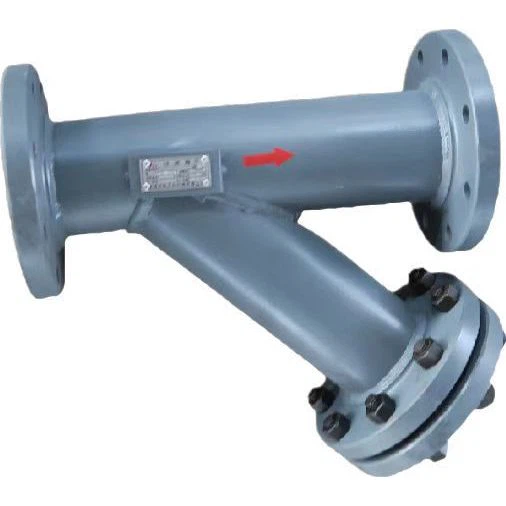
First off, let's talk about what pipe clamps are. Pipe clamps are essentially devices used to hold pipes in place. They come in various shapes, sizes, and materials, each designed for specific applications. Some common types of pipe clamps include U-Type Bolts, which you can check out U-Type Bolt, Pipe Lugs, more info on Pipe Lugs, and Pipeline Filters, details at Pipeline Filter.
Now, when it comes to rainwater pipes, there are a few key factors to consider before deciding if pipe clamps are the right choice.
Compatibility with Pipe Material
Rainwater pipes can be made from different materials such as PVC, metal (like aluminum or steel), and even concrete in some cases. The pipe clamps you choose need to be compatible with the material of the rainwater pipe. For example, if you have PVC rainwater pipes, you'll want to use clamps that won't damage the relatively soft PVC surface. Soft - lined clamps or those made from materials that won't cause abrasion are ideal. On the other hand, metal rainwater pipes can handle more robust clamps, but you still need to ensure that there's no risk of corrosion between the clamp and the pipe.
Load - Bearing Capacity
Rainwater pipes need to be securely held in place, especially when they're full of water. The weight of the water in the pipes can put a significant load on the clamps. You need to select pipe clamps with an appropriate load - bearing capacity. If the clamps can't handle the weight, they might fail, leading to the pipes coming loose. This can cause all sorts of problems, from leaks to damage to the building's exterior.
Environmental Conditions
Rainwater pipes are exposed to the elements. They face rain, sunlight, extreme temperatures, and even strong winds. The pipe clamps need to be able to withstand these environmental conditions. For instance, in areas with high humidity or near the coast where there's salt in the air, corrosion - resistant clamps are a must. Stainless steel or galvanized clamps are good options in such environments as they can resist rust and degradation over time.
Installation Requirements
Installing pipe clamps for rainwater pipes should be relatively straightforward. However, you need to make sure that the clamps are installed correctly. Incorrect installation can lead to the pipes not being held firmly, which can cause movement and potential damage. Some clamps may require special tools for installation, while others can be installed with basic hand tools. You also need to ensure that the clamps are placed at the right intervals along the pipe to provide adequate support.
Advantages of Using Pipe Clamps for Rainwater Pipes
There are several benefits to using pipe clamps for rainwater pipes. Firstly, they provide a secure and stable hold. This helps to prevent the pipes from shifting or vibrating, which can reduce the risk of leaks and damage. Secondly, pipe clamps are adjustable. You can easily adjust the position of the clamps during installation or if you need to make changes later on. Thirdly, they are relatively easy to install compared to some other pipe - holding methods. With the right tools and a bit of know - how, you can have the clamps installed in no time.
Disadvantages to Consider
However, there are also a few potential drawbacks. One is the cost. High - quality, corrosion - resistant pipe clamps can be relatively expensive, especially if you have a large number of rainwater pipes to install. Another issue is that if the clamps are not properly maintained, they can deteriorate over time. For example, if a clamp made of a non - corrosion - resistant material is used in a harsh environment without proper protection, it may rust and lose its effectiveness.
Selecting the Right Pipe Clamps
When selecting pipe clamps for rainwater pipes, here are some tips. First, determine the size of the rainwater pipe. The clamps need to fit snugly around the pipe. Measure the outer diameter of the pipe accurately and choose clamps that are designed for that specific size. Second, consider the material of the clamp based on the environmental conditions and the pipe material as mentioned earlier. Third, look for clamps that are easy to install and come with clear installation instructions.
Real - World Applications
In real - world scenarios, pipe clamps are widely used for rainwater pipes in both residential and commercial buildings. In residential settings, they are used to hold the downspouts and gutters in place. They ensure that rainwater is properly channelled away from the house, preventing water damage to the foundation and the exterior walls. In commercial buildings, especially large warehouses or office complexes, pipe clamps are used to support extensive rainwater drainage systems. They help to keep the system functioning efficiently and prevent any disruptions due to pipe movement.
Maintenance Tips
To ensure the long - term performance of the pipe clamps, regular maintenance is essential. Check the clamps periodically for signs of damage, such as cracks, rust, or loose fittings. If you notice any issues, replace the damaged clamps immediately. Clean the clamps regularly to remove any dirt, debris, or salt deposits, especially in coastal areas. You can use a mild detergent and a soft brush to clean them.

Conclusion
So, can pipe clamps be used for rainwater pipes? Absolutely! They offer a practical and effective solution for holding rainwater pipes in place. However, it's crucial to choose the right clamps based on the pipe material, load - bearing requirements, and environmental conditions. With proper selection, installation, and maintenance, pipe clamps can provide reliable support for your rainwater pipes for many years to come.
If you're in the market for high - quality pipe clamps for your rainwater pipes or any other pipe - related projects, I'd love to have a chat with you. Whether you need advice on the right type of clamps or are ready to place an order, feel free to reach out. Let's work together to find the perfect pipe clamp solutions for your needs.
References
- "Pipe Fittings Handbook" by the Pipe Fittings Institute
- "Guide to Rainwater Drainage Systems" by the Building Construction Association
- Manufacturer's specifications for various pipe clamps


