Can pipe lugs be used for steam pipes? That's a question I get asked a lot as a pipe lugs supplier. I'm here to break it down for you and give you all the info you need to make an informed decision.
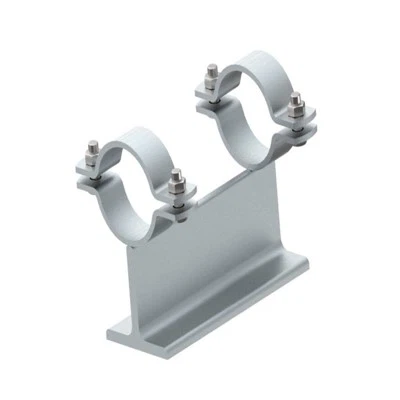
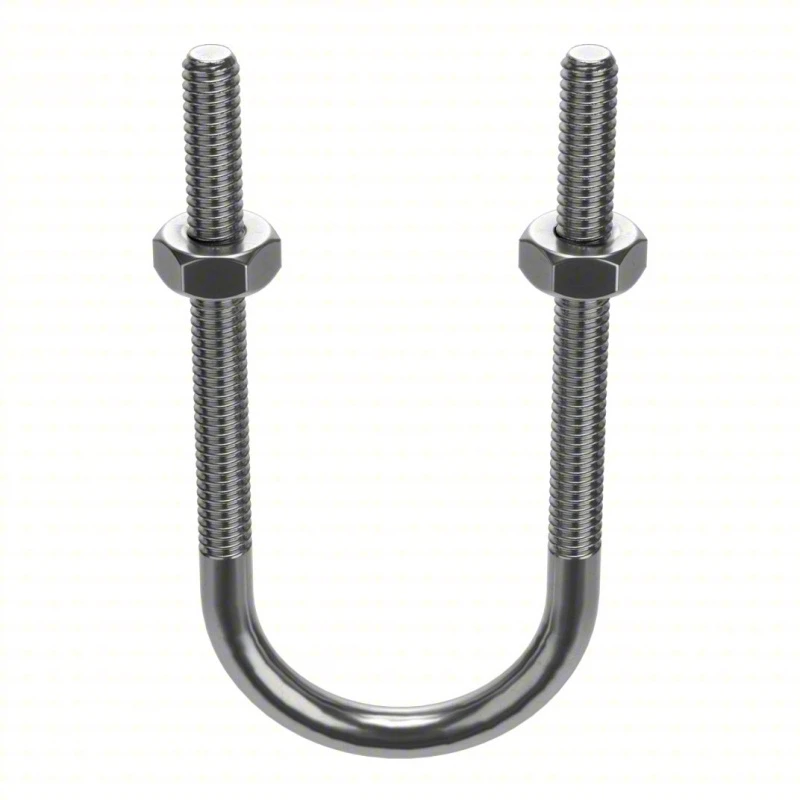
First off, let's talk about what pipe lugs are. Pipe lugs are basically attachments that are welded or bolted onto pipes. They're used to provide a connection point for various types of pipe supports, like U-Type Bolt, Rigid Pull Rods, or Pipe Reinforcement Circle. These supports help to keep the pipes in place, prevent movement, and reduce stress on the pipes and the surrounding structures.
Now, when it comes to steam pipes, there are some unique challenges. Steam pipes operate at high temperatures and pressures. The steam flowing through the pipes can cause expansion and contraction, which in turn can lead to significant movement and stress on the pipes. So, can pipe lugs handle all this?
The short answer is yes, pipe lugs can be used for steam pipes, but there are some important considerations.
Material Selection
The material of the pipe lugs is crucial. For steam pipes, you need a material that can withstand high temperatures without losing its strength. Stainless steel is a popular choice because it has good heat resistance and corrosion resistance. Carbon steel can also be used, but it may require additional protection, like painting or galvanizing, to prevent corrosion. The material should also have good weldability if the lugs are going to be welded onto the pipes.
Design and Installation
The design of the pipe lugs needs to be carefully thought out. They should be able to handle the forces generated by the steam pipes. This includes the weight of the pipes, the weight of the steam inside the pipes, and the forces caused by thermal expansion and contraction. The lugs should be properly sized and shaped to distribute these forces evenly across the pipe and the support structure.
Installation is also key. If the pipe lugs are not installed correctly, they can fail under the high stresses of steam pipe operation. They need to be securely attached to the pipes, whether it's by welding or bolting. The installation process should follow industry standards and best practices to ensure the safety and reliability of the system.
Thermal Expansion
As I mentioned earlier, thermal expansion is a major issue with steam pipes. When the steam heats up the pipes, they expand. And when the steam cools down, the pipes contract. Pipe lugs need to be designed to accommodate this movement. One way to do this is by using flexible connections or allowing some degree of movement in the support system. This helps to prevent excessive stress on the pipes and the lugs themselves.
Maintenance
Regular maintenance is essential for steam pipes and their associated pipe lugs. You need to check the lugs for signs of wear, corrosion, or damage. Any issues should be addressed promptly to prevent failures. This might involve replacing damaged lugs, tightening loose bolts, or repainting corroded surfaces.

Advantages of Using Pipe Lugs for Steam Pipes
There are several advantages to using pipe lugs for steam pipes.
- Customization: Pipe lugs can be customized to fit the specific requirements of your steam pipe system. You can choose the size, shape, and material based on the operating conditions and the design of the pipes.
- Easy Installation: They are relatively easy to install compared to some other types of pipe supports. This can save time and labor costs during the installation process.
- Versatility: Pipe lugs can be used in a variety of applications and can be combined with different types of supports to create a comprehensive pipe support system.
Disadvantages and Challenges
Of course, there are also some disadvantages and challenges.
- Cost: High-quality pipe lugs made from suitable materials can be expensive, especially if you need a large number of them for a big steam pipe system.
- Complexity: Designing and installing pipe lugs for steam pipes requires a good understanding of the engineering principles involved. If not done correctly, it can lead to problems down the road.
In conclusion, pipe lugs can be a great option for steam pipes, but you need to make sure you do it right. By carefully selecting the material, designing the lugs properly, installing them correctly, and maintaining them regularly, you can ensure that your steam pipe system operates safely and efficiently.
If you're in the market for pipe lugs for your steam pipes, I'd love to talk to you. I've got a wide range of pipe lugs in different materials and designs to meet your needs. Whether you're working on a small industrial project or a large power plant, I can help you find the right solution. Just reach out, and we can start discussing your requirements and come up with a plan that works for you.
References
- ASME B31.1 Power Piping Code
- API 650 Welded Steel Tanks for Oil Storage (for general guidelines on materials and design)
- Manufacturer's specifications for pipe lugs and related products