


Can rigid pull rods be used in low - temperature environments?
As a supplier of rigid pull rods, I often encounter questions from clients regarding the performance of our products in various environments. One query that comes up frequently is whether rigid pull rods can be used in low - temperature environments. In this blog, we'll delve into the characteristics of rigid pull rods, the effects of low temperatures on materials, and determine if they are suitable for such conditions.
Characteristics of Rigid Pull Rods
Rigid pull rods are essential components used in many industries for applications where precise alignment and high - strength support are required. They are commonly employed in construction, mechanical engineering, and pipeline systems. The primary function of a rigid pull rod is to transmit tensile forces while maintaining a fixed position and preventing unwanted movements.
Typically, rigid pull rods are made from high - strength materials such as steel or stainless steel. These materials offer excellent mechanical properties, including high tensile strength, good corrosion resistance, and dimensional stability. The design of rigid pull rods usually consists of a straight rod with threaded ends for easy installation and connection to other components.
Impact of Low Temperatures on Materials
Low - temperature environments can have significant effects on the mechanical properties of materials. One of the most critical changes is the reduction in ductility. Ductility refers to the ability of a material to deform plastically before fracturing. As the temperature drops, materials become more brittle, which means they are more likely to fracture suddenly under stress without significant plastic deformation.
For metals like steel, low temperatures can lead to a phenomenon known as the ductile - to - brittle transition. When the temperature falls below a certain critical value, the fracture mode of the steel changes from ductile to brittle. This transition can be extremely dangerous in applications where the material is subjected to dynamic loads or sudden impacts.
Another effect of low temperatures is the reduction in the coefficient of thermal expansion. While this can be an advantage in some cases, as it reduces the dimensional changes due to temperature variations, it can also lead to increased internal stresses in the material. If these internal stresses are not properly managed, they can cause premature failure of the component.
Evaluating Rigid Pull Rods in Low - Temperature Environments
When considering the use of rigid pull rods in low - temperature environments, we need to assess several factors.
Firstly, the material selection is crucial. Not all steels are suitable for low - temperature applications. Low - alloy steels with specific alloying elements, such as nickel, are often used in low - temperature service because they have a lower ductile - to - brittle transition temperature. These steels can maintain a certain level of ductility even at very low temperatures, reducing the risk of brittle fracture.
Secondly, the design of the rigid pull rods should take into account the effects of low temperatures. For example, the end connections of the pull rods should be designed to accommodate any potential changes in the mechanical properties of the material. Moreover, the stress levels in the pull rods during operation should be carefully calculated to ensure that they remain within the safe limits even when the material becomes more brittle.
Thirdly, the quality control during the manufacturing process is essential. Any defects or inclusions in the material can act as stress concentrators, which are even more dangerous in low - temperature environments. Therefore, strict quality control measures, such as non - destructive testing, should be implemented to detect and eliminate any potential flaws in the rigid pull rods.
Applications and Suitability
In some low - temperature applications, rigid pull rods can still be used effectively with proper precautions.
In construction projects in cold regions, rigid pull rods can be used for bracing structures. However, it is important to select the right type of steel and ensure that the installation is carried out correctly. For example, the joints should be well - lubricated to prevent the build - up of ice and snow, which could increase the stress on the pull rods.
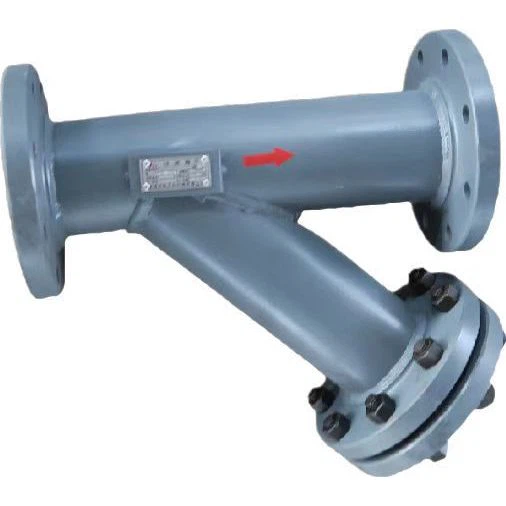
In pipeline systems, rigid pull rods are used for supporting and aligning pipes. In low - temperature environments, they can play a vital role in maintaining the integrity of the pipeline. However, Pipe Clamps and other related accessories should also be carefully selected to work in harmony with the pull rods. Sight Glass can be used in these systems to monitor the flow and detect any potential issues, while Pipeline Filter can help maintain the cleanliness of the fluid inside the pipes.
Conclusion and Call to Action
In conclusion, rigid pull rods can be used in low - temperature environments, but only if certain conditions are met. By carefully selecting the material, designing the pull rods appropriately, and implementing strict quality control measures, we can ensure their reliable performance.

If you are involved in projects that require rigid pull rods in low - temperature environments, it is important to work with a reliable supplier who has in - depth knowledge and experience in this field. We, as a supplier of rigid pull rods, have the expertise and resources to provide you with high - quality products that are specifically designed for low - temperature applications. Contact us for more information and to discuss your specific requirements for rigid pull rods. Whether you need them for construction, mechanical engineering, or pipeline systems, we can offer customized solutions to meet your needs.
References
- ASME Boiler and Pressure Vessel Code, Section VIII, Division 1, providing guidelines for vessel design and material selection for low - temperature service.
- ASTM standards for steel materials, which specify the requirements and testing methods for steels used in low - temperature applications.
- "Materials Science and Engineering: An Introduction" by William D. Callister Jr. and David G. Rethwisch, which offers in - depth knowledge about the effects of temperature on material properties.


