Can U - Type Bolts be galvanized?
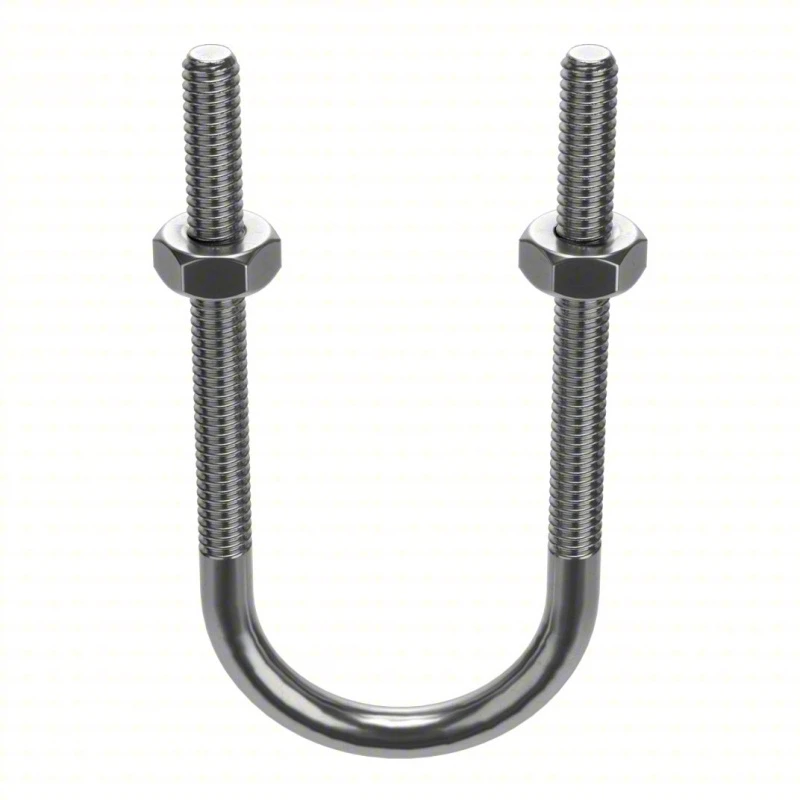
As a supplier of U - Type Bolts, one of the most common questions I receive from customers is whether U - Type Bolts can be galvanized. The answer is a resounding yes, and in this blog post, I'll delve into the details of galvanizing U - Type Bolts, including the process, benefits, and considerations.
Galvanizing is a process of coating metal with zinc to protect it from corrosion. There are two main types of galvanizing: hot - dip galvanizing and electro - galvanizing.
Hot - dip galvanizing is the more common and effective method for U - Type Bolts. In this process, the U - Type Bolts are first thoroughly cleaned to remove any dirt, grease, or rust. Then, they are dipped into a bath of molten zinc at a temperature of around 450°C (842°F). As the bolts are submerged in the zinc bath, a metallurgical reaction occurs, forming a series of zinc - iron alloy layers on the surface of the bolts. These alloy layers provide excellent corrosion resistance and a durable coating that can last for decades, even in harsh environments.
Electro - galvanizing, on the other hand, is a process where a layer of zinc is deposited onto the surface of the U - Type Bolts through an electrochemical reaction. In an electro - galvanizing setup, the U - Type Bolts act as the cathode in an electrolyte solution containing zinc ions. When an electric current is applied, the zinc ions are attracted to the surface of the bolts, forming a thin layer of zinc. While electro - galvanized coatings are generally thinner than hot - dip galvanized coatings, they can still provide a certain level of corrosion protection and are often used in less demanding applications.
Now, let's explore the benefits of galvanizing U - Type Bolts.
Corrosion Resistance: The primary benefit of galvanizing is its ability to protect U - Type Bolts from corrosion. In outdoor or moist environments, uncoated steel bolts can quickly rust and deteriorate, which can lead to structural failures. Galvanized U - Type Bolts have a much longer lifespan as the zinc coating acts as a sacrificial anode, corroding in place of the underlying steel. This means that even if the coating is scratched or damaged in some areas, the zinc around the damaged area will continue to protect the steel from rusting.
Cost - Effectiveness: Although galvanizing adds to the initial cost of the U - Type Bolts, it can result in significant cost savings in the long run. The extended lifespan of galvanized bolts means reduced replacement and maintenance costs. For large - scale projects where hundreds or thousands of U - Type Bolts are used, these savings can be substantial.
Aesthetics: Galvanized U - Type Bolts have a distinctive silver - gray finish that can enhance the appearance of the structures they are used in. In many applications, such as outdoor installations or industrial settings, the clean and uniform look of galvanized bolts is preferred over the dull appearance of uncoated steel bolts.
Ease of Inspection: It is relatively easy to inspect the condition of a galvanized coating. A visual inspection can quickly reveal any signs of damage or corrosion, allowing for timely maintenance or replacement if necessary.
However, there are also some considerations when it comes to galvanizing U - Type Bolts.
Size and Shape: The size and shape of U - Type Bolts can affect the galvanizing process. Larger bolts may require longer immersion times in the hot - dip galvanizing bath to ensure complete coating coverage. Additionally, the U - shape of the bolts can sometimes trap air or zinc, leading to uneven coating thickness in certain areas. Special care must be taken during the galvanizing process to address these issues and ensure a high - quality coating.
Threaded Areas: Galvanizing can affect the fit of the threads on U - Type Bolts. The additional thickness of the zinc coating can cause the threads to become slightly larger, which may affect the ease of installation and the ability to achieve a proper torque. In some cases, the threads may need to be re - threaded or machined after galvanizing to ensure a proper fit.
Environmental Impact: While galvanizing is an effective way to protect metal from corrosion, the hot - dip galvanizing process does involve the use of molten zinc and certain chemicals. It is important for galvanizing facilities to follow strict environmental regulations to minimize the impact on the environment.
In our role as a U - Type Bolt supplier, we understand the importance of providing high - quality galvanized U - Type Bolts to our customers. We work with trusted galvanizing partners who have extensive experience in coating U - Type Bolts to ensure that our products meet the highest standards of quality and performance.
If you are in the market for U - Type Bolts and are considering galvanizing, we can provide you with detailed information on the galvanizing options available, as well as guidance on which type of galvanizing is best suited for your specific application. Whether you need U - Type Bolts for a small DIY project or a large industrial installation, our team is here to assist you.
In addition to U - Type Bolts, we also offer a wide range of other pipe - hangers accessories, such as Sight Glass and Pipe Lugs. You can learn more about our U - Type Bolts by visiting our product page at U-Type Bolt.
If you have any questions or would like to discuss your procurement needs, please don't hesitate to reach out. Our experienced sales team is ready to provide you with personalized solutions and competitive pricing. We look forward to working with you and helping you find the best U - Type Bolt solutions for your projects.

References
- Hunt, W. H. (2019). Handbook of Corrosion Engineering. CRC Press.
- Schweitzer, P. A. (2016). Corrosion Resistance Tables. McGraw - Hill Education.
- Kester, N. L. (2017). Galvanizing Technology and Applications. Wiley.