Hey there! I'm a supplier of Pipe Reinforcement Circles, and today I wanna chat about whether these bad boys need regular inspections. It's a question that comes up a lot in the industry, and I've got some insights to share.
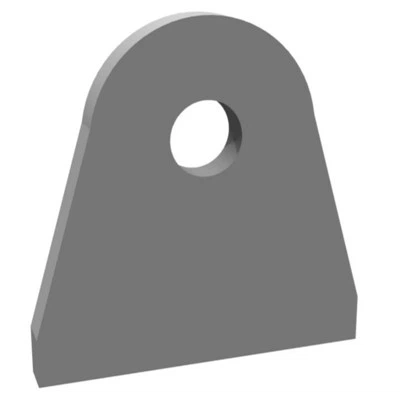
First off, let's talk about what pipe reinforcement circles are and why they're important. Pipe reinforcement circles are used to strengthen pipes, especially in areas where there might be extra stress or potential for damage. They can help prevent leaks, cracks, and other issues that could lead to big problems down the line. Whether it's in an industrial setting, a plumbing system, or a pipeline network, these circles play a crucial role in keeping things running smoothly.
So, do they need regular inspections? Well, the short answer is yes. Just like any other component in a piping system, pipe reinforcement circles can experience wear and tear over time. Factors like vibration, temperature changes, and pressure fluctuations can all take a toll on them. And if they're not in good shape, it can compromise the integrity of the entire pipe.
Let's dig a little deeper into why regular inspections are so important. One of the main reasons is to catch any signs of damage early on. For example, if a reinforcement circle starts to develop cracks or corrosion, it might not seem like a big deal at first. But if left unchecked, those small issues can turn into major problems. A crack could spread, leading to a leak or even a pipe failure. And corrosion can weaken the circle, making it less effective at providing support.

Regular inspections also allow you to assess the overall condition of the reinforcement circles. You can check for things like proper alignment, tightness, and any signs of movement. If a circle has shifted or become loose, it might not be doing its job properly. And by catching these issues early, you can make the necessary adjustments or replacements before they cause any serious damage.
Another reason for regular inspections is to ensure compliance with industry standards and regulations. In many industries, there are specific requirements for the maintenance and inspection of piping systems. By conducting regular inspections of your pipe reinforcement circles, you can make sure that you're meeting these standards and avoiding any potential legal issues.
Now, let's talk about how often these inspections should be done. There's no one-size-fits-all answer to this question, as it depends on a variety of factors. Some of the things that can influence the inspection frequency include the type of application, the operating conditions, and the age of the reinforcement circles.
In general, it's a good idea to conduct inspections at least once a year. However, in more demanding environments or for older circles, you might need to do them more frequently. For example, if the pipes are exposed to high levels of vibration or extreme temperatures, you might want to inspect the reinforcement circles every six months. And if you're using circles in a critical application, such as a pipeline carrying hazardous materials, you might need to have them inspected even more often.
So, what should you look for during an inspection? Here are some key things to keep in mind:
- Cracks and fractures: Check for any visible cracks or fractures in the reinforcement circles. These can be a sign of stress or damage and should be addressed immediately.
- Corrosion: Look for any signs of corrosion, such as rust or discoloration. Corrosion can weaken the circle and reduce its effectiveness.
- Alignment and tightness: Make sure that the circles are properly aligned and tightened. Loose or misaligned circles can cause problems with the pipe's stability.
- Movement: Check for any signs of movement or shifting. If a circle has moved, it might not be providing the necessary support.
- Wear and tear: Look for any signs of wear and tear, such as abrasions or dents. These can indicate that the circle is being subjected to excessive stress.
If you do find any issues during an inspection, it's important to take action right away. Depending on the severity of the problem, you might need to repair or replace the reinforcement circle. And if the issue is widespread or affects multiple circles, you might need to consider a more comprehensive solution.
In addition to regular inspections, there are also some other things you can do to keep your pipe reinforcement circles in good condition. For example, you can make sure that the pipes are properly supported and that there is no excessive vibration or movement. You can also use protective coatings or treatments to prevent corrosion and other forms of damage.
Now, I know what you're thinking. All this talk about inspections and maintenance might sound like a hassle. But trust me, it's worth it in the long run. By investing a little time and effort into regular inspections, you can save yourself a lot of money and headaches down the line. And if you're in the market for high-quality pipe reinforcement circles, I've got you covered.
As a supplier, I offer a wide range of pipe reinforcement circles that are designed to meet the needs of various applications. Whether you need circles for a small plumbing project or a large industrial pipeline, I can provide you with the right products at competitive prices. And if you have any questions or need help with your piping system, I'm here to assist you.
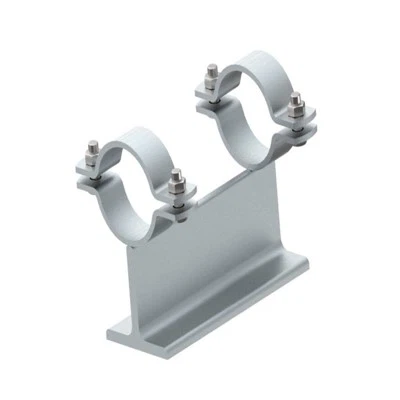
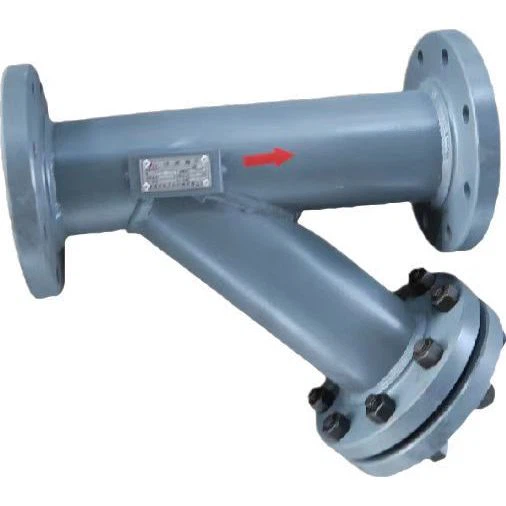
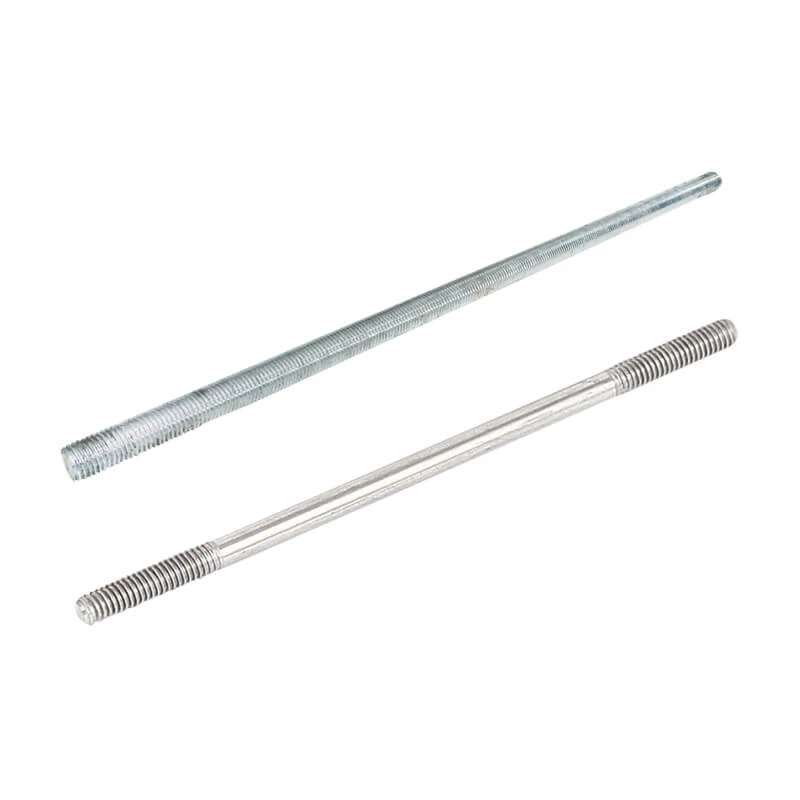
If you're interested in learning more about our Pipe Reinforcement Circles, or if you have any other questions about piping components, feel free to reach out. You might also be interested in some of our other products, like Pipeline Filter, Rigid Pull Rods, and Pipe Clamps. These products can work together with pipe reinforcement circles to ensure the optimal performance and safety of your piping system.
So, don't hesitate to contact me for more information or to discuss your specific requirements. Let's work together to keep your pipes in top shape!
References
- "Piping System Maintenance Guide," Industry Standard Publication
- "Pipe Reinforcement: Best Practices," Engineering Journal