Sight glasses are essential components in various industrial applications, providing a clear view into the internal processes of pipes, tanks, and vessels. They are used to monitor fluid levels, flow patterns, and the presence of contaminants or impurities. One question that often arises in the context of sight glasses is whether they have self - cleaning properties. In this blog post, I'll delve into this topic as a sight glass supplier.
The Basics of Sight Glasses
Sight glasses come in different types, including flat, tubular, and bullseye sight glasses, each designed for specific applications. They are typically made from materials such as glass, quartz, or plastic, chosen for their transparency, durability, and chemical resistance. These materials allow operators to visually inspect the contents of a system without the need for direct contact, which is crucial for maintaining safety and efficiency in industrial processes.
The main function of a sight glass is to provide a window into a closed system. However, over time, the inner surface of the sight glass can become dirty or obscured by deposits from the fluid flowing through the system. These deposits can be anything from dirt, oil, or chemical residues to biological growth in some cases. When the sight glass is dirty, it becomes difficult to accurately monitor the process, which can lead to inefficiencies, safety hazards, or even equipment failure.
Self - Cleaning Mechanisms in Sight Glasses
In general, sight glasses do not have inherent self - cleaning properties. Unlike some advanced sensors or devices that are equipped with built - in cleaning mechanisms, sight glasses rely on external factors or additional equipment to keep them clean.
One of the simplest ways to clean a sight glass is through the natural flow of the fluid within the system. In some cases, the movement of the fluid can dislodge and carry away loose particles that may have settled on the sight glass surface. However, this is only effective for very light deposits. If the fluid has a high viscosity or contains sticky substances, the natural flow may not be sufficient to clean the sight glass.
Another approach is to use mechanical cleaning devices. Some sight glasses are designed with wiper blades or brushes that can be manually or automatically operated to clean the inner surface. These mechanical cleaners can be effective in removing more stubborn deposits. For example, in a food processing plant, where there may be thick sauces or residues on the sight glass, a wiper blade can be used to keep the glass clear.

Chemical cleaning is also an option. By introducing cleaning agents into the system, it is possible to dissolve or loosen the deposits on the sight glass. However, this method requires careful consideration of the compatibility between the cleaning agent and the sight glass material, as well as the fluid in the system. Incorrect use of cleaning chemicals can damage the sight glass or contaminate the process.
Factors Affecting Self - Cleaning Potential
Several factors can affect the ability of a sight glass to stay clean or be easily cleaned. The type of fluid flowing through the system is a major factor. For instance, a system carrying a clean, low - viscosity fluid like water is less likely to cause significant deposits on the sight glass compared to a system transporting a thick, oily substance.
The temperature and pressure of the system also play a role. High temperatures can cause some substances to adhere more strongly to the sight glass surface, making them more difficult to remove. Similarly, high - pressure systems may cause the fluid to flow more forcefully, which can either help in cleaning by dislodging particles or, in some cases, force more debris onto the sight glass.
The design of the sight glass itself can impact its cleaning potential. A well - designed sight glass with a smooth inner surface and proper alignment with the fluid flow can reduce the accumulation of deposits. On the other hand, a sight glass with rough edges or a design that creates stagnant areas can trap debris and make cleaning more challenging.
Enhancing Sight Glass Cleanliness
As a sight glass supplier, we understand the importance of maintaining clean sight glasses for our customers. We offer a range of products and solutions to enhance sight glass cleanliness.
Firstly, we provide sight glasses with anti - static coatings. These coatings can prevent the attraction of dust and other small particles, reducing the amount of debris that accumulates on the surface. This is particularly useful in environments where there is a high concentration of airborne particles.
We also offer sight glasses with integrated cleaning systems. These systems can be customized according to the specific needs of the application. For example, we can install automated wiper blades that are controlled by a timer or a sensor. When the sensor detects a decrease in visibility through the sight glass, it triggers the wiper blade to clean the surface.
In addition to our sight glass products, we also offer advice on proper maintenance and cleaning procedures. We can recommend the most suitable cleaning agents and methods based on the type of fluid, sight glass material, and operating conditions of the system.
Related Products for Industrial Applications
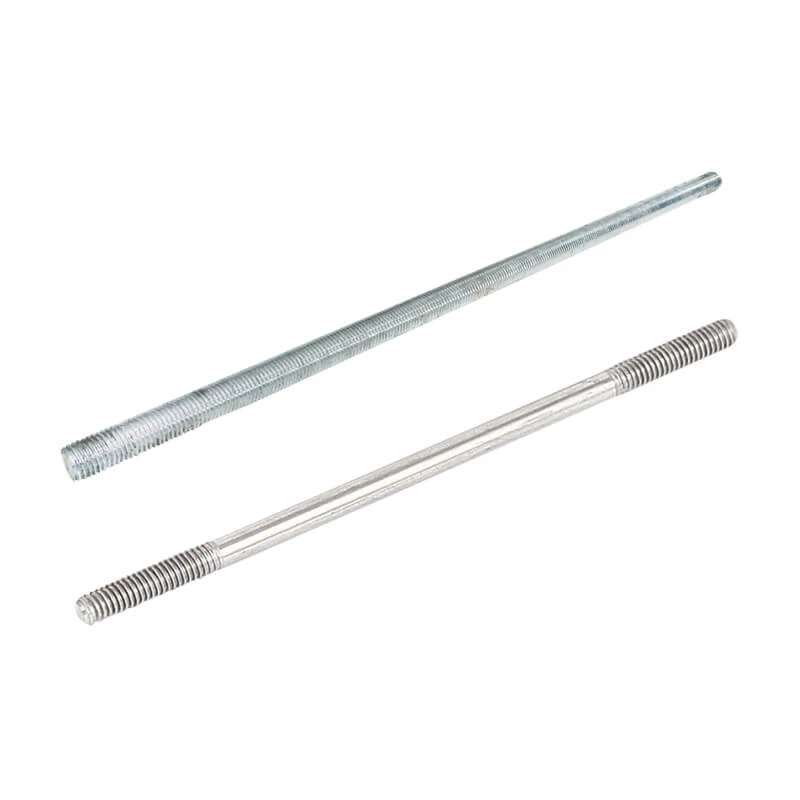
In addition to sight glasses, there are other products that are commonly used in industrial piping systems. For example, Rigid Pull Rods are used to support and stabilize pipes in a fixed position. They are made from high - strength materials and can withstand heavy loads.
Adjustable Pipe Hanger Rods are another important component. These rods allow for easy adjustment of the pipe height, which is useful during installation or when there are changes in the system. They provide flexibility and ensure proper alignment of the pipes.
Pipe Lugs are used to attach pipes to supports or other structures. They come in different shapes and sizes and are designed to provide a secure connection.
Contact for Purchase and Consultation
If you are in the market for high - quality sight glasses or other related industrial products, we are here to help. Our team of experts has extensive knowledge and experience in the field, and we can provide you with the best solutions for your specific needs. Whether you need advice on sight glass selection, cleaning procedures, or any other related issues, feel free to reach out to us. We look forward to discussing your requirements and working together to ensure the success of your industrial operations.
References
- "Industrial Sight Glass Handbook", Industrial Publishing Inc., 2018.
- "Piping System Design and Maintenance", Engineering Press, 2020.
- "Materials for Sight Glass Applications", Material Science Journal, Vol. 15, 2019.