


Sight glasses are essential components in many industrial processes, allowing operators to visually inspect the flow, level, and condition of fluids within a pipeline or vessel. As a leading sight glass supplier, we understand the importance of ensuring these devices perform optimally over their lifespan. A common question we often encounter is whether sight glasses require any special maintenance. In this blog post, we'll delve into this topic, exploring the factors that influence sight glass maintenance and providing practical tips to keep them in top - notch condition.

Understanding Sight Glasses
Before discussing maintenance, it's crucial to understand what sight glasses are and how they function. Sight glasses are transparent windows installed in pipes, tanks, or other equipment. They are typically made from materials such as glass, quartz, or polycarbonate, each with its own set of properties suitable for different applications. For instance, glass sight glasses offer excellent clarity and chemical resistance, while quartz sight glasses can withstand high temperatures and pressures.
General Maintenance Requirements
Sight glasses do require some level of maintenance, but the extent of this maintenance can vary depending on several factors.
Regular Inspection
Regular visual inspections are the cornerstone of sight glass maintenance. Operators should check the sight glass for any signs of damage, such as cracks, scratches, or cloudiness. Cracks can compromise the integrity of the sight glass, leading to potential leaks or failures. Scratches may reduce visibility, making it difficult to accurately assess the fluid inside. Cloudiness could indicate contamination or chemical reactions on the surface of the sight glass.
Cleaning
Cleaning is another essential aspect of sight glass maintenance. Over time, debris, sediment, and chemical deposits can accumulate on the surface of the sight glass, obscuring the view. The cleaning process should be carried out carefully to avoid damaging the sight glass. For most sight glasses, a mild detergent and a soft cloth or sponge can be used to gently wipe away dirt and grime. Avoid using abrasive materials or harsh chemicals that could scratch or etch the surface of the sight glass.
Gasket and Seal Maintenance
The gaskets and seals around the sight glass play a vital role in preventing leaks. These components should be inspected regularly for signs of wear, damage, or degradation. If a gasket or seal is found to be damaged, it should be replaced immediately to ensure a proper seal. Using the correct type of gasket material for the specific application is also crucial. For example, in high - temperature applications, a gasket made from a heat - resistant material like graphite or ceramic fiber may be required.
Special Maintenance Considerations
In addition to general maintenance, there are some special considerations for sight glasses in certain applications.
High - Temperature Applications
In high - temperature environments, sight glasses are subjected to thermal stress, which can cause expansion and contraction. This can lead to cracks or leaks over time. To mitigate this, sight glasses used in high - temperature applications may require additional insulation or cooling systems. Regular monitoring of the temperature around the sight glass is also necessary to ensure it remains within the recommended operating range.
Corrosive Environments
In corrosive environments, the sight glass and its components are at risk of corrosion. Selecting a sight glass made from a corrosion - resistant material is essential. For example, stainless steel frames and quartz or borosilicate glass sight glasses are often used in corrosive applications. Additionally, protective coatings or linings can be applied to further enhance corrosion resistance. Regular inspections should be carried out to detect any signs of corrosion early and take appropriate action.
High - Pressure Applications
Sight glasses in high - pressure systems must be able to withstand the forces exerted on them. The design and installation of the sight glass should comply with relevant pressure ratings and safety standards. Regular pressure testing may be required to ensure the sight glass remains in good condition. Any signs of deformation or stress on the sight glass should be investigated immediately.
The Role of Accessories in Sight Glass Maintenance
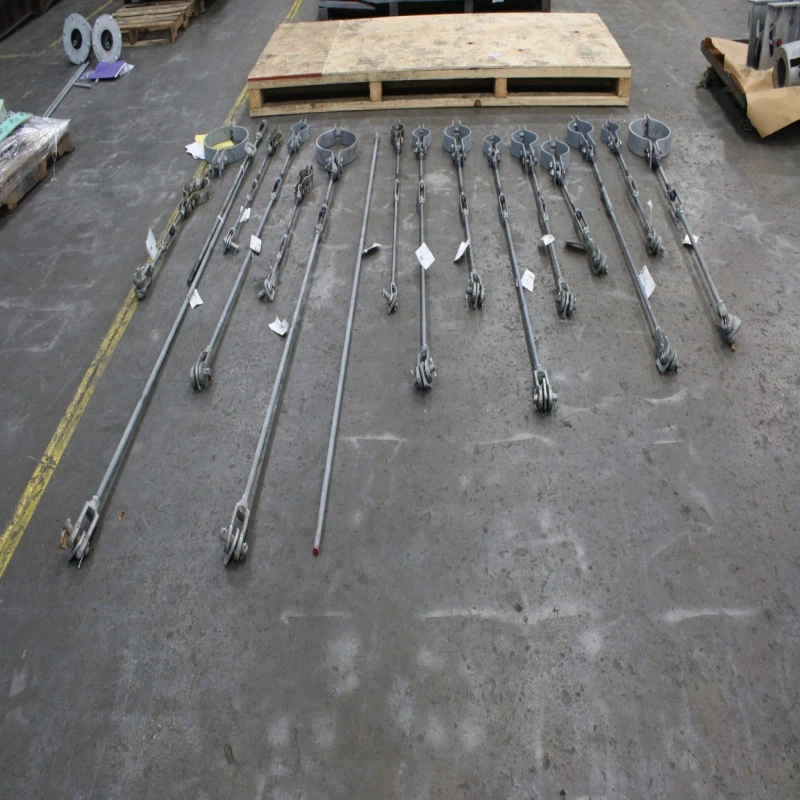
Accessories can play an important role in the maintenance and performance of sight glasses. For example, Adjustable Pipe Hanger Rods can be used to support the pipes and sight glasses, reducing the stress on the sight glass caused by vibration or movement. Pipe Reinforcement Circle can strengthen the pipes around the sight glass, preventing damage from external forces. Pipe Clamps can secure the pipes in place, ensuring a stable installation for the sight glass.
Importance of Proper Maintenance
Proper maintenance of sight glasses is not only important for their functionality but also for the safety and efficiency of the entire industrial process. A well - maintained sight glass provides clear visibility, allowing operators to detect potential problems early and take corrective action. This can prevent costly downtime, equipment damage, and safety hazards.
Tips for Effective Sight Glass Maintenance
- Follow Manufacturer's Guidelines: The manufacturer's guidelines are a valuable source of information on maintenance procedures, cleaning agents, and recommended replacement intervals. Always follow these guidelines to ensure the longevity and performance of your sight glass.
- Train Your Staff: Proper training of your staff on sight glass maintenance is crucial. They should be familiar with the inspection, cleaning, and replacement procedures, as well as the safety precautions.
- Keep Records: Maintaining a maintenance log can help you track the history of each sight glass, including inspections, cleanings, and component replacements. This can be useful for troubleshooting and planning future maintenance.
Conclusion
In conclusion, sight glasses do require some special maintenance, but with the right approach, they can provide reliable service for many years. Regular inspections, proper cleaning, and appropriate maintenance of gaskets and seals are essential for all sight glasses. Special considerations must be taken into account for sight glasses in high - temperature, corrosive, or high - pressure applications. By following these guidelines and using the appropriate accessories, you can ensure that your sight glasses perform optimally and contribute to the smooth operation of your industrial processes.
If you are interested in learning more about our sight glass products or have any questions regarding sight glass maintenance, we encourage you to contact us for a detailed discussion. Our team of experts is ready to assist you in finding the right solutions for your specific needs.
References
- "Industrial Sight Glass Handbook", Industry Publications Inc.
- "Maintenance Best Practices for Process Equipment", Process Engineering Journal
- "Safety Standards for Sight Glasses in High - Pressure Systems", International Safety Council


