Hey there! As a pipe support supplier, I get asked all the time about how to ensure the safety of pipe supports in a system. It's a crucial question, and I'm here to share some practical tips and insights based on my experience in the industry.
First off, let's talk about why pipe support safety is so important. Pipes are used to transport all sorts of stuff, from water and gas to chemicals and oil. If the pipe supports aren't up to the task, it can lead to all kinds of problems. Leaks, pipe failures, and even accidents can occur, which can be costly and dangerous. So, making sure your pipe supports are safe is not just a good idea; it's a must.
Proper Design and Selection
The first step in ensuring pipe support safety is getting the design and selection right. You can't just slap any old support on a pipe and expect it to work. Each system is unique, and you need to consider a bunch of factors.
One of the most important things is the weight of the pipe and the fluid it's carrying. You need to choose supports that can handle that weight without buckling or failing. For example, if you're dealing with a heavy-duty industrial pipe that's transporting thick oil, you'll need stronger supports than you would for a small water pipe in a residential building.
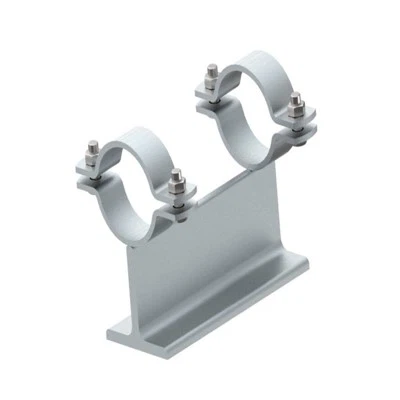
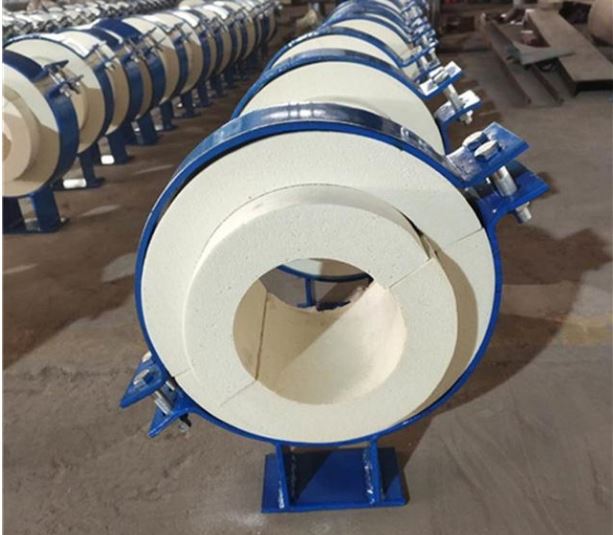
Another factor is the temperature and pressure of the fluid in the pipe. High temperatures and pressures can cause pipes to expand and contract, which can put stress on the supports. You might need to use Thermal Insulation Pipe Supports For Power Plant in a power plant setting, where the pipes are exposed to extreme heat. These supports are designed to handle the thermal expansion and keep the pipes stable.
The environment where the pipes are located also matters. If the pipes are in a corrosive environment, like a chemical plant or near the ocean, you'll need supports that are made from materials that can resist corrosion. Stainless steel or coated supports are often a good choice in these situations.

Installation and Maintenance
Once you've selected the right pipe supports, it's crucial to install them correctly. A poorly installed support can be just as bad as the wrong support. Make sure the supports are properly aligned and attached to the pipe and the structure. They should be tight enough to hold the pipe in place but not so tight that they damage the pipe.
Regular maintenance is also key to ensuring pipe support safety. Over time, supports can wear out, get damaged, or become loose. You should inspect your pipe supports regularly for signs of wear and tear, such as cracks, rust, or loose bolts. If you notice any problems, fix them right away.
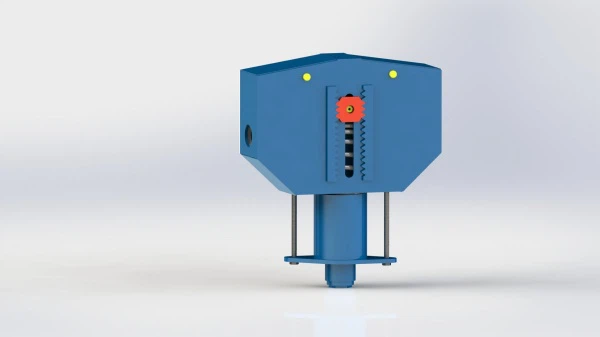
For example, if you have Counterweights as part of your pipe support system, you need to make sure they're still balanced and functioning properly. Counterweights are used to counteract the weight of the pipe and keep it in the right position. If they're not working correctly, it can cause the pipe to sag or shift, which can lead to problems.
Monitoring and Testing
In addition to regular inspections, it's a good idea to monitor and test your pipe supports. You can use sensors to measure things like stress, strain, and vibration in the supports. If you notice any abnormal readings, it could be a sign that there's a problem with the support or the pipe.
You can also perform load testing on your pipe supports. This involves applying a known load to the support and measuring how it responds. Load testing can help you identify any weaknesses in the supports before they cause a failure.
Training and Education
Finally, it's important to make sure that everyone involved in the installation, maintenance, and operation of the pipe support system is properly trained. They should know how to select the right supports, install them correctly, and perform regular maintenance.
Training can also help your team recognize the signs of potential problems and take appropriate action. For example, if an operator notices that a pipe support is making an unusual noise or vibrating more than normal, they should know to report it right away.
In conclusion, ensuring the safety of pipe supports in your system is a multi-step process. It starts with proper design and selection, followed by correct installation and regular maintenance. Monitoring and testing can help you catch problems early, and training and education can ensure that everyone on your team is equipped to handle the job.
If you're in the market for high-quality pipe supports, I'd love to chat with you. As a pipe support supplier, I have a wide range of products to meet your needs. Whether you need Cold/Cryogenic Pipe Support For Oil And Gas or something else, I can help you find the right solution. Contact me to start the conversation and let's work together to keep your pipes safe and secure.
References
- ASME B31.1 Power Piping Code
- API RP 520 Design and Installation of Pressure-Relieving Systems in Refineries
- NACE International Standards for Corrosion Prevention