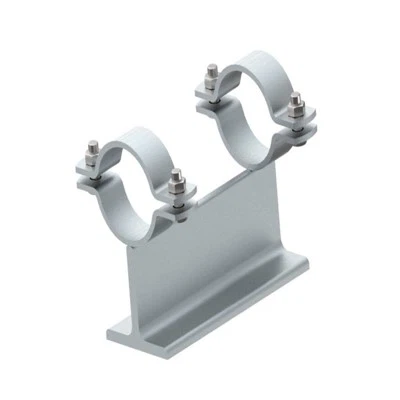
Hey there! I'm a supplier of pipe hangers accessories, and I often get asked about how to pick the right material finish for these accessories in a corrosive environment. It's a crucial question because the wrong choice can lead to all sorts of problems, from reduced lifespan to safety hazards. So, let's dive into it!
Understanding the Corrosive Environment
First things first, we need to understand what kind of corrosive environment we're dealing with. Corrosion can be caused by a variety of factors, such as chemicals, moisture, and temperature. For example, in a chemical plant, the pipes might be exposed to harsh acids or alkalis. In a coastal area, the saltwater in the air can be a major culprit. And in a high - temperature industrial setting, the combination of heat and moisture can accelerate corrosion.

Once we know the specific corrosive agents, we can start thinking about the right material finish.
Types of Material Finishes
Galvanized Finish
Galvanizing is one of the most common finishes for pipe hangers accessories. It involves coating the metal with a layer of zinc. Zinc is a sacrificial metal, which means it corrodes before the base metal. This provides a good level of protection against general corrosion, especially in mild to moderately corrosive environments.
For instance, if you're installing pipe hangers in a building's plumbing system where the water is not overly aggressive, galvanized pipe hangers can last for a long time. The process of galvanizing can be either hot - dip galvanizing or electro - galvanizing. Hot - dip galvanizing creates a thicker and more durable zinc coating, making it suitable for outdoor or more demanding applications.
Powder Coating
Powder coating is another popular option. It's a dry finishing process where a fine powder is electrostatically applied to the surface of the pipe hanger accessory and then cured under heat. This creates a hard, durable finish that can resist scratches, chemicals, and UV rays.
Powder coating comes in a wide range of colors, which can be a plus if you want the pipe hangers to match the overall aesthetic of the installation. It's also a good choice for indoor applications where the environment is relatively clean but you still want to protect the accessories from minor corrosion.
Stainless Steel Finish
Stainless steel is well - known for its corrosion resistance. It contains chromium, which forms a passive oxide layer on the surface of the metal. This layer protects the steel from further corrosion. There are different grades of stainless steel, and the choice depends on the severity of the corrosive environment.
For example, in a highly corrosive chemical processing plant, a higher - grade stainless steel like 316L might be necessary. On the other hand, for a less aggressive environment such as a food processing facility, 304 stainless steel could be sufficient. Stainless steel pipe hangers are also very strong and have a long lifespan, but they can be more expensive than other options.
Epoxy Coating
Epoxy coating is a high - performance finish that provides excellent protection against chemicals and moisture. It's often used in industrial settings where the pipes are exposed to aggressive substances. Epoxy coatings can be applied in different thicknesses depending on the level of protection required.
However, epoxy coatings need to be applied carefully to ensure proper adhesion and coverage. If the surface preparation is not done correctly, the coating can peel or blister over time, reducing its effectiveness.
Matching the Finish to the Accessory
U - Type Bolt
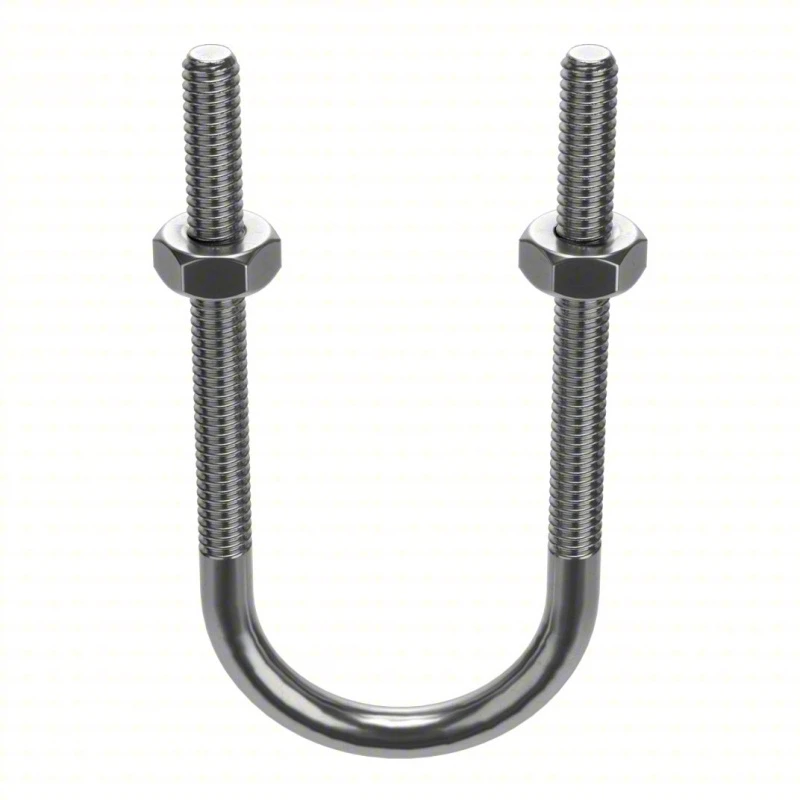
When it comes to U - Type Bolt, the choice of finish depends on its application. In a marine environment, a stainless steel finish would be ideal because of its high resistance to saltwater corrosion. If the U - Type Bolt is used in a normal indoor plumbing system, a galvanized finish can do the job just fine.
Pipe Lugs
Pipe Lugs are used to support pipes. In a chemical plant where the pipes carry corrosive chemicals, an epoxy - coated or stainless steel pipe lug would be a smart choice. For a residential building with a standard water supply system, powder - coated or galvanized pipe lugs would be sufficient.
Pipe Reinforcement Circle
Pipe Reinforcement Circle is used to strengthen the pipe at the support points. In a high - humidity environment, a powder - coated or galvanized finish can protect it from rusting. In a more extreme environment like an oil refinery, a stainless steel or epoxy - coated finish would be more appropriate.
Other Considerations
Cost
Cost is always a factor when choosing the material finish. Stainless steel and epoxy coatings are generally more expensive than galvanized or powder - coated finishes. You need to balance the cost with the level of protection required. If the environment is only mildly corrosive, it might not be necessary to go for the most expensive option.
Installation and Maintenance
Some finishes are easier to install and maintain than others. For example, galvanized pipe hangers are relatively easy to handle and don't require special tools for installation. On the other hand, epoxy - coated accessories might need more careful handling during installation to avoid damaging the coating. And in terms of maintenance, some finishes might require periodic inspections and touch - ups to ensure their effectiveness.
Compatibility with the Pipe Material
The material finish of the pipe hanger accessory should be compatible with the pipe material. For example, if you're using a copper pipe, you need to make sure that the finish of the hanger won't cause galvanic corrosion between the hanger and the pipe.
Conclusion
Selecting the right material finish for pipe hangers accessories in a corrosive environment is a complex decision that involves considering the type of corrosive environment, the type of accessory, cost, installation and maintenance, and compatibility with the pipe material. By understanding the different types of finishes and their properties, you can make an informed choice that will ensure the long - term performance and safety of your piping system.
If you're in the market for high - quality pipe hangers accessories and need help with choosing the right material finish, don't hesitate to reach out. We're here to assist you in finding the perfect solution for your specific needs.
References
- Metals Handbook: Corrosion, ASM International
- "Corrosion Resistance of Coated Metals" by NACE International
- Pipe Hangers and Supports: Design and Installation, McGraw - Hill Professional