


Vibration is a common challenge in many industrial and mechanical settings. From heavy machinery on factory floors to trucks rumbling down the highways, vibrations can cause components to wear out faster, come loose, or even fail completely. That's where U - Type Bolts come in, and as a supplier of these bolts, I can tell you firsthand how they perform in these tough, vibration - prone environments.
Understanding U - Type Bolts
Let's start with the basics. A U - Type Bolt is shaped just like the letter "U", with threads on both ends. They're used to secure pipes, tubes, and other cylindrical objects to a structure. This simple yet effective design has been around for ages, and it's a staple in many industries because of its reliability and versatility.
The way a U - Type Bolt works is pretty straightforward. You place the curved part of the "U" around the object you want to secure, and then you thread nuts onto the ends. As you tighten the nuts, the bolt squeezes the object against the structure, holding it firmly in place. This clamping action is what gives U - Type Bolts their strength and makes them suitable for a wide range of applications.
Why Vibration is a Problem
Before we dive into how U - Type Bolts handle vibration, it's important to understand why vibration is such a big deal. When a machine or a structure vibrates, it causes a lot of stress on the components that are holding it together. This stress can lead to several issues.
First, vibration can cause bolts to loosen over time. As the parts move back and forth, the threads of the bolt and nut can start to slip against each other, gradually reducing the clamping force. When the clamping force is low enough, the bolt can eventually come loose, which can be extremely dangerous, especially in critical applications.
Second, vibration can cause fatigue in the bolts. Every time the bolt is subjected to a vibration, it experiences a small amount of stress. Over time, these repeated stresses can cause tiny cracks to form in the bolt. As these cracks grow, the bolt becomes weaker and more likely to break, which can lead to the failure of the entire system.
How U - Type Bolts Stand Up to Vibration
So, how do U - Type Bolts perform in vibration - prone environments? Well, they have several features that make them well - suited to handle these challenges.
Material and Design
One of the key factors in a U - Type Bolt's ability to resist vibration is the material it's made from. High - quality U - Type Bolts are often made from materials like stainless steel or galvanized steel. These materials are strong, durable, and resistant to corrosion, which is important because corrosion can weaken the bolt and make it more susceptible to vibration - induced failure.
The design of the U - Type Bolt also plays a role. The U - shape distributes the clamping force evenly around the object being secured. This means that the stress is spread out over a larger area, reducing the chances of the bolt loosening or breaking under vibration. Additionally, the threads on the ends of the bolt are carefully machined to provide a tight fit with the nuts. This helps to prevent the nuts from vibrating loose and ensures that the clamping force is maintained.
Locking Mechanisms
To further improve their performance in vibration - prone environments, many U - Type Bolts come with locking mechanisms. One common locking mechanism is the use of lock nuts. These nuts are designed to resist loosening by using a special thread design or a built - in locking element. For example, some lock nuts have a nylon insert that grips the bolt threads, making it difficult for the nut to turn.
Another locking option is the use of washers. Lock washers, such as split washers or toothed washers, can be placed between the nut and the surface of the structure. These washers create friction, which helps to prevent the nut from vibrating loose.
Installation
Proper installation is crucial for the performance of U - Type Bolts in vibration - prone environments. When installing a U - Type Bolt, it's important to use the correct torque. If the bolt is not tightened enough, the clamping force will be too low, and the bolt may come loose. On the other hand, if the bolt is over - tightened, it can cause the bolt to stretch or break, which can also lead to failure.
It's also important to ensure that the surface where the bolt is being installed is clean and flat. Any dirt, debris, or unevenness can affect the clamping force and the performance of the bolt.
U - Type Bolts in Different Applications
U - Type Bolts are used in a wide variety of applications where vibration is a concern. Let's take a look at a few examples.
Industrial Machinery
In industrial settings, U - Type Bolts are used to secure pipes, tubing, and other components on heavy machinery. Machines like large pumps, compressors, and generators generate a lot of vibration during operation. U - Type Bolts help to keep these components in place, preventing them from shifting or coming loose, which could lead to costly downtime and repairs.
Automotive Industry
In the automotive industry, U - Type Bolts are used to secure exhaust systems, suspension components, and other parts. Cars and trucks are constantly subjected to vibrations from the engine, road conditions, and other factors. U - Type Bolts help to ensure that these components stay in place, providing a safe and reliable driving experience.
Plumbing
In plumbing systems, U - Type Bolts are used to secure pipes to walls, floors, and other structures. Water flowing through pipes can cause vibrations, especially in high - pressure systems. U - Type Bolts help to prevent the pipes from rattling and moving, which can reduce noise and prevent damage to the pipes and the surrounding structure.
Pairing U - Type Bolts with Other Products
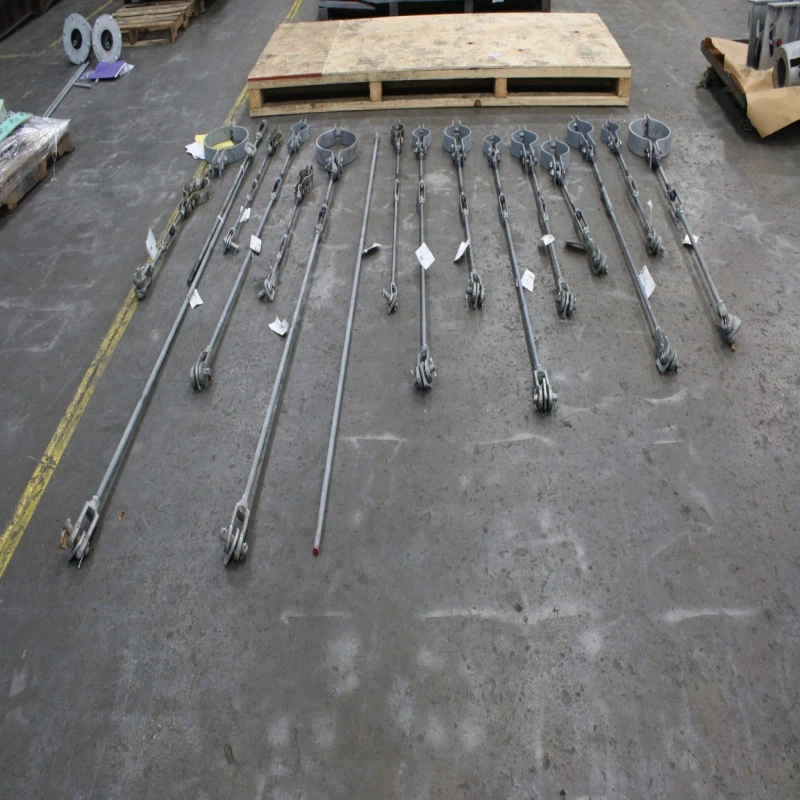
U - Type Bolts often work in conjunction with other products to create a more effective solution in vibration - prone environments. For example, they can be used with Adjustable Pipe Hanger Rods. These rods allow for easy adjustment of the height and position of the pipes, which can help to reduce stress on the U - Type Bolts and improve the overall stability of the system.
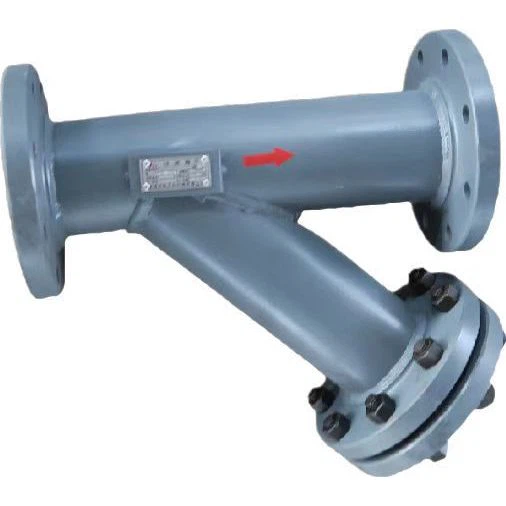
Another product that can be paired with U - Type Bolts is a Pipeline Filter. These filters help to remove impurities from the fluid flowing through the pipes, which can reduce the likelihood of blockages and damage to the pipes. By ensuring a smooth flow of fluid, the pipeline filter can also reduce the vibrations caused by the fluid movement, further protecting the U - Type Bolts.
Considering U - Type Bolts for Your Projects
If you're in need of a reliable solution for securing components in a vibration - prone environment, U - Type Bolts are definitely worth considering. At our supply, we offer a wide range of U - Type Bolts in different sizes, materials, and designs to meet your specific needs.
We understand that every project is unique, and we're here to help you choose the right U - Type Bolts for your application. Whether you're working on a small plumbing job or a large industrial project, our team of experts can provide you with the advice and support you need to ensure a successful installation.
If you're interested in learning more about our U - Type Bolts or would like to discuss your project requirements, don't hesitate to reach out. We're always happy to have a chat and help you find the best solution for your needs.
References
- Machinery's Handbook, 31st Edition
- "Fastening Technology Handbook" by Carl H. Dieter
- Various industry standards and guidelines related to bolt installation and use in vibration - prone environments.


