


If you’ve ever stood in front of a hospital’s air handling unit, a manufacturing plant’s exhaust stack, or a commercial building’s rooftop HVAC system, you’ve probably noticed a lot of small, unassuming parts doing heavy lifting. Most people fixate on the big-ticket components: boilers, fans, heat exchangers. But for anyone working with heat recovery systems—those setups designed to capture waste heat and reuse it to cut energy costs and reduce carbon footprints—one often-overlooked hero is the damper. As a damper supplier, I’ve spent years helping teams optimize their heat recovery systems, and I can tell you this: a poorly matched or installed damper isn’t just a minor oversight. It can tank efficiency, drive up maintenance costs, and even shorten the lifespan of the entire system. A well-chosen one? It turns a good heat recovery setup into a high-performing, reliable workhorse that delivers consistent results year after year.
Let’s start with the basics. A heat recovery system’s core job is simple: instead of letting stale, hot exhaust air from a building or process escape to the outside, it transfers that heat to incoming fresh air (or water, depending on the system) that needs to be heated for conditioning, production, or space heating. For this transfer to work smoothly, air and fluid flows have to be controlled, balanced, and synchronized. That’s exactly where dampers come in. Think of them as the “traffic controllers” of the system, regulating the volume and direction of air or fluid movement through different sections of the heat recovery loop. Without them, you’d have uneven airflow, conflicting pressure levels, and wasted energy—situations that turn heat recovery from a sustainability win into a financial drain.
First, let’s talk about airflow balance. In a typical air-to-air heat recovery system, you have two separate streams: exhaust air leaving the space and fresh air coming in. To maximize heat transfer, these two streams need to move at matching rates. If the exhaust side is pulling too much air, the fresh air side can’t keep up, and you end up with unconditioned air leaking in or out—wasting the heat you worked so hard to capture. Dampers adjust for this, fine-tuning each stream’s speed to maintain the optimal ratio. For example, in a hospital’s HVAC system, where maintaining consistent air quality is non-negotiable, a damper ensures that exhaust air (loaded with contaminants) is pulled out at the same rate that fresh, filtered air is supplied. This balance not only keeps the heat recovery wheel or heat exchanger running at peak efficiency but also complies with indoor air quality standards. I’ve seen teams skip this step, only to realize a 15% drop in heat recovery efficiency because their airflow was off-kilter. Adding a properly sized damper fixed that in a matter of hours.
Next, pressure control is another critical function. All heat recovery systems operate under specific pressure differentials: the exhaust side is slightly negative (to pull air out), and the fresh air side is slightly positive (to push it into the space). When pressures get out of whack—say, if a fan speeds up unexpectedly—you get air leakage across the heat exchanger. That means some of the hot exhaust air mixes with incoming fresh air before it can transfer its heat, so valuable energy is lost. Dampers act as pressure regulators here, adjusting their opening to counteract unexpected pressure spikes or drops. In industrial heat recovery systems, like those used in food processing plants, where exhaust air can have variable temperatures and volumes, this pressure control is even more important. A sudden surge in exhaust flow can damage the heat exchanger if not managed, and dampers prevent that. I recently worked with a metal fabrication plant that was experiencing repeated heat exchanger leaks due to pressure fluctuations. Swapping their old, unregulated gates for high-precision dampers cut leakage by 22% and extended the exchanger’s lifespan by three years. That’s not a small win—reduced maintenance and longer equipment life add up fast.
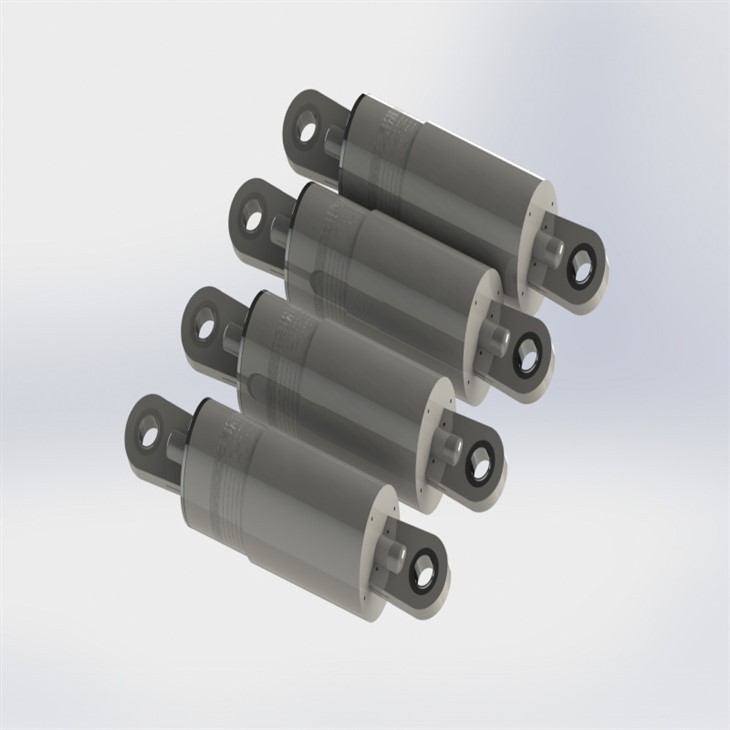
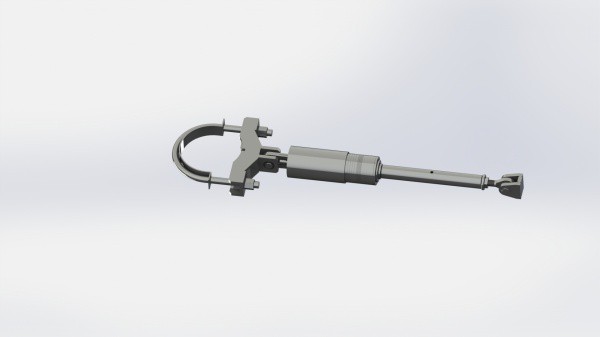
Now, let’s get into the less obvious benefits: preventing downtime and adapting to changing conditions. Heat recovery systems don’t always run at full capacity. A commercial office building might run its system at 60% capacity on weekends, while a manufacturing plant might ramp up production shifts, changing exhaust volume hourly. Dampers need to adjust to these variable loads seamlessly. A rigid, one-size-fits-all damper can’t handle that—its fixed opening either restricts flow too much or lets too much through. That’s where the right type of damper makes a big difference. For example, hydraulic dampers are designed for smooth, consistent adjustments even under heavy load. If you need a damper that can handle rapid, precise movements without sticking or wearing out quickly, a Hydraulic Damper is often the best choice. Hydraulic dampers use fluid resistance to control motion, which makes them ideal for systems that need to adjust airflow quickly without sudden jumps or drops. In high-demand applications like data center heat recovery, where server loads can change in minutes, being able to adjust airflow smoothly helps maintain consistent heat transfer and avoids overloading the system. Some of our clients in data centers have also used Hydraulic Shock Absorbers to protect damper actuators from sudden, forceful movements—like those caused by fan starts or stops. These shock absorbers absorb the impact, preventing damage to the damper’s internal components and reducing the need for emergency repairs. It’s a small add-on, but it makes a huge difference in uptime for critical systems.
Wait, let’s address a common misconception: dampers are just open or closed, right? No, modern dampers for heat recovery systems are modulating, meaning they can adjust to any position between fully open and fully closed. That precision is key to matching the system’s output to current needs. For example, in a school building, occupancy varies dramatically between 8 a.m. and 3 p.m. The heat recovery system needs to supply more fresh air when the building is full and less during after-hours cleaning. A modulating damper can adjust in real time, so the system doesn’t waste energy heating extra air when it’s not needed. Over the course of a year, that adds up to significant energy savings. Our data shows that buildings with properly modulating dampers see an average of 18% lower annual energy use for HVAC compared to those with static dampers. That’s money right back in the building owner’s pocket.
Of course, not all dampers are created equal. Material selection is another factor that affects performance, especially in systems dealing with corrosive exhaust air or high temperatures. For example, a damper in a wastewater treatment plant’s heat recovery system is exposed to moisture and chemical-laden exhaust, so it needs to be made of corrosion-resistant materials like stainless steel or coated aluminum. If you use a regular galvanized damper here, it will rust quickly, leading to sticking and uneven airflow. At our company, we work with clients to select dampers tailored to their specific application, from low-temperature commercial HVAC to high-heat industrial exhaust. That personalized approach means the damper doesn’t just work well today—it works well for years.
Another area where dampers shine is in seasonal adjustments. In many parts of the world, heating needs in winter are very different from cooling needs in summer. A heat recovery system that works great in January might waste energy in July if it’s not adjusted. Dampers let you switch modes: in winter, they direct more airflow through the heat exchanger to capture exhaust heat for fresh air. In summer, they can bypass the heat exchanger entirely, so the system doesn’t waste energy heating incoming air when you’re trying to cool the space. This mode switching is only possible with a damper that can quickly and reliably change direction and flow rates. Without it, you’d have to manually adjust bulky valves or deal with inefficient, one-mode operation.
I’ve seen first-hand what happens when a damper is ignored. A small retail chain once installed a heat recovery system in three of its new stores but cut corners on dampers to save money. Within six months, they were reporting high energy bills and inconsistent indoor temperatures. When we did an audit, we found their dampers were sticking open, causing air leakage and unbalanced flows. Swapping the cheap dampers for our modulating, pressure-controlled models fixed the problem, cutting their energy bills by 21% and eliminating the temperature inconsistencies. That experience reinforced something I already knew: for heat recovery systems, the right damper isn’t a luxury—it’s an investment.
Now, let’s talk about maintenance. A well-maintained damper keeps the entire heat recovery system running smoothly. But not all dampers are easy to maintain. Dampers with simple designs, accessible parts, and self-lubricating components reduce the time and cost of upkeep. For example, a hydraulic damper that’s sealed properly won’t leak fluid, so you don’t have to top it up every few months. That means less downtime and fewer service calls. As a damper supplier, we design our products with maintenance in mind, making it easy for our clients to inspect and adjust dampers without bringing in outside technicians. This is especially important for remote sites or small businesses that don’t have a full-time facilities team.
Let’s circle back to the bigger picture: why does this matter for the planet? Heat recovery systems are a key part of reducing building and industrial carbon emissions. By capturing waste heat, they reduce the need for additional fuel or electricity to heat incoming air. But a system with a poor-performing damper can’t reach its full energy savings potential. According to the U.S. Department of Energy, improving HVAC system efficiency by just 10% can reduce a building’s carbon footprint by 5-10%. Dampers are a huge part of that improvement. When we help a client optimize their damper setup, we’re not just fixing a mechanical part—we’re helping them meet their sustainability goals, lower their energy costs, and extend the life of their entire system.
If you’re working on a new heat recovery system or troubleshooting an existing one, don’t overlook the damper. It’s the small part that makes a big difference in performance, efficiency, and reliability. Whether you need a standard modulating damper for a commercial office or a heavy-duty hydraulic damper for an industrial process, we have the expertise to match you with the right solution. We work with all types of industries and applications, tailoring our products to your specific needs to ensure your heat recovery system runs at peak performance for years to come. Reach out to our team to discuss your requirements and find the perfect damper for your system. Your energy bills (and your sanity) will thank you.
References
ASHRAE. (2021). Heating, Ventilating, and Air-Conditioning Applications (2021 ed.). American Society of Heating, Refrigerating and Air-Conditioning Engineers.
U.S. Department of Energy. (2022). Energy Efficiency and Renewable Energy: HVAC Systems and Equipment. U.S. DOE.
Karassik, I. J., et al. (2014). Pump Handbook (4th ed.). McGraw-Hill Education.
Heathcote, M. J. (2013). The Jablanczy Centrifugal Pumps (3rd ed.). Elsevier.


