


Hey there, if you’re working in oil and gas, power generation, or heavy industrial piping, you know constant spring supports aren’t just random hardware—they’re the unsung heroes keeping pipe systems stable when temperatures swing, equipment moves, or loads shift. As a supplier who’s spent years troubleshooting these for clients, I’ve seen way too many teams skip routine inspections and end up with pipe stress issues, leaks, or even catastrophic failures down the line. Today, I’m breaking down exactly what you need to check, no fancy jargon required.
First, let’s keep it simple: constant spring supports (we often call them CSSs for short) are designed to maintain a nearly constant load as the pipe moves vertically. That’s non-negotiable—if they fail at holding that load, your pipe system is in big trouble. The inspection process isn’t just a one-and-done, either; it’s split into pre-installation, post-installation, and periodic checks over the unit’s lifespan. Let’s dive into each part, plus the specific items to flag.
Starting with pre-installation inspections—this is the most critical step because catching issues before mounting saves you hours (and headaches) later. First up: the load calibration. Every CSS leaves our factory with a specified load rating, usually stamped right on the unit. The last thing you want is a unit that’s been sitting in storage (or got banged up during shipping) with a calibration off by even 5%. How do you check this? We recommend using a load test rig for a quick spot check, especially for custom orders. We make specific types for different applications, like the Constant Force Spring Support For Oil And Gas Pipeline which is built to handle the high temperatures and heavy loads common in oil and gas piping. If you’re in a different sector, we also have Constant Force Disc Spring Support Hanger that uses stacked disc springs for compact spaces, or Leg-Mounted Constant Force Spring Hanger that mounts straight to pipe stands for easier alignment. No matter the type, verify that the stamped load matches what’s on your piping stress calculation sheet.
Next up for pre-install: visual check of all components. CSSs have moving parts that can get damaged in shipping—springs, levers, pivot pins, and the main casing. Look for dents, cracks, or corrosion on the casing, especially if the unit was stored outdoors. The spring itself should be evenly coiled, no bent or broken coils. Pivot pins and bolts should be tight, and all moving parts should move freely without sticking or binding. Speaking of moving parts, check that the travel indicator (the little mark that shows how much the spring has compressed or extended) is set to the correct range. Most CSSs have a recommended travel window—don’t install one that’s already at the max or minimum of its travel range, that’s a red flag. For our high-precision models like the Double Lug High Precision Spring Hanger or Single-ear High-precision Spring Hanger, this travel check is extra important because they’re built for tight tolerances. Even a tiny misalignment here can throw off the load balance.
Moving to post-installation inspections—this is right after you mount the CSS and connect it to the pipe. First, check the alignment. The CSS should be perfectly centered under the pipe load, no tilting to one side. If it’s off-kilter, that puts extra stress on the support’s moving parts and can throw off the constant load. Next, verify the spring’s pre-compression. Most CSSs have a pre-compression setting that should match the cold load of the pipe (the load before the pipe is filled with fluid or heated). Double-check that the adjustment bolts are set correctly—we always suggest locking them in place with lock nuts to prevent them from vibrating loose once the system is up and running. A common mistake here is forgetting to remove the shipping bolts! A lot of CSSs come with temporary bolts to hold the spring compressed during shipping; if you leave those in, the support will never do its job. I can’t tell you how many service calls I’ve been on where that’s the exact issue.
Once the system is operational, periodic inspections are non-negotiable. We recommend doing a full check within the first 3 months of startup, then annual checks after that—more often if your system is in a harsh environment (high humidity, extreme temperatures, or corrosive chemicals). Let’s break down the key periodic items:
First, load monitoring. Even if the unit was calibrated when you installed it, over time, springs can lose tension, or components can wear, which throws off the load. The best way to check this is using a load cell—attach it between the pipe and the CSS, and compare the actual load to the design load. A deviation of more than 5% is a problem. If you’re noticing the pipe sagging or rising more than it should when you cycle the system (heating up and cooling down), that’s a clear sign the load is off.
Next, check for wear and corrosion. The moving parts—pivot pins, levers, and spring coils—can wear out over time from repeated movement (thermal cycling is the big one here). Look for signs of rubbing, scuffing, or metal shavings, which mean parts are wearing down. Corrosion is another big issue, especially in oil and gas plants where there’s often moisture or chemical exposure. Even minor rust on springs can change their tension, so if you see corrosion, you’ll need to clean it (or replace the unit if it’s severe) to keep the load constant. We always coat our CSSs with a durable paint or galvanized finish, but that’s no replacement for regular checks in tough environments.
Then there’s the travel limit check. Every time the system cycles, the spring moves—you should track how much the travel indicator moves during each cycle to make sure it stays within the unit’s rated range. If it’s creeping toward the max or minimum travel, that means the support is reaching the end of its capacity, which can cause it to lock up or fail. That’s a key early warning sign you don’t want to ignore.
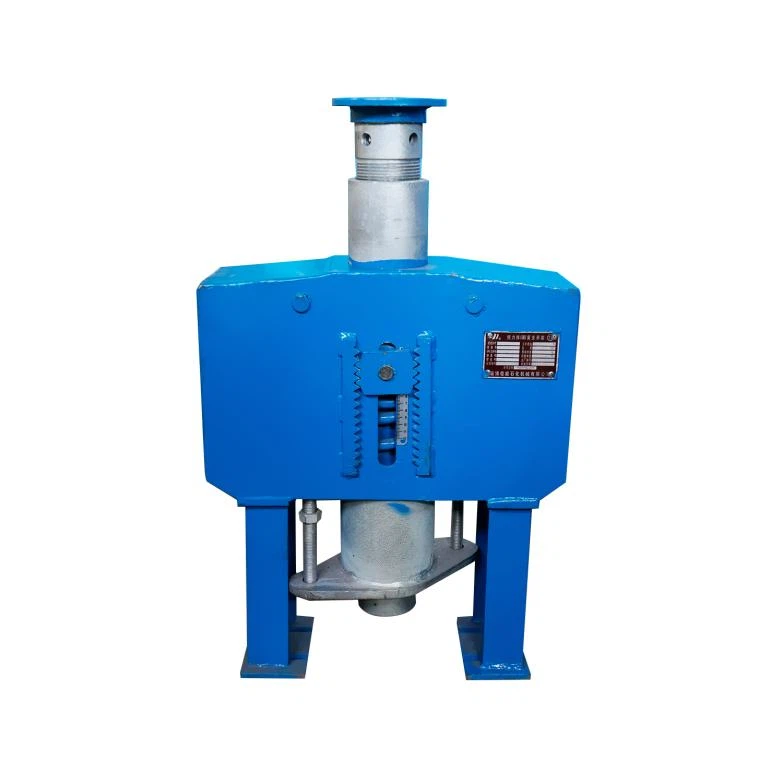
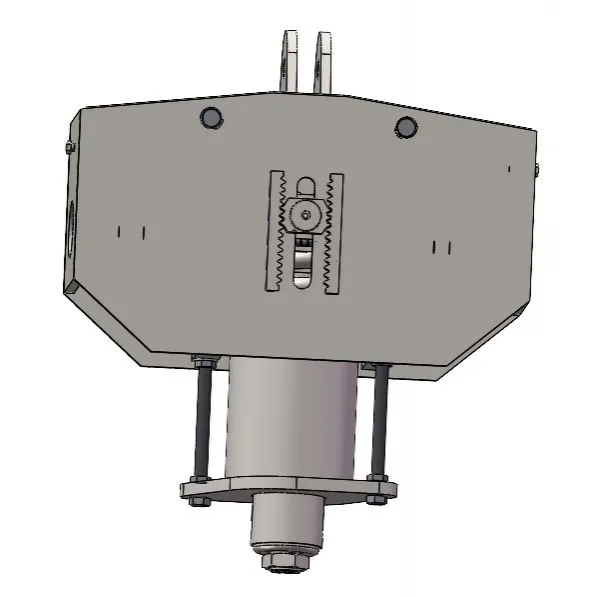
Also, check all fasteners regularly. Vibration from the pipe system can cause bolts, nuts, and lock pins to work loose over time. Even a slightly loose pivot pin can throw off the load balance of the entire CSS. Give every bolt a torque check to make sure it’s at the manufacturer’s recommended spec—we always include that in the installation manual, so don’t skip it.
Wait, let’s talk about some common mistakes I see all the time. First, people forget that constant spring supports aren’t set-it-and-forget-it items. They need inspections, just like pumps or valves. Second, mixing up constant spring supports with variable spring supports—variable ones don’t maintain a constant load, so if you use them for a system that needs strict load control, you’re asking for trouble. Third, not accounting for the actual operating conditions. If you install a CSS designed for ambient temperature in a high-heat oil and gas line, the spring tension will change at operating temperature, leading to load issues. That’s why picking the right CSS for your application is half the battle—we’ve got options for every use case, from high-temp oil and gas to precision industrial piping.
Another thing: if you notice any abnormal noise from the CSS when the system cycles, that’s a red flag. Squeaking, grinding, or clunking means parts are sticking or wearing, which can lead to failure. That’s an easy one to catch during routine checks.
Let me wrap this up. The key inspection items for constant spring supports, in order of priority, are: pre-install load calibration and component check, post-install alignment and shipping bolt removal, periodic operational load verification, wear and corrosion checks, travel limit monitoring, and fastener torque checks. Skipping any of these steps can lead to pipe stress issues, leaks, or even full system shutdowns—none of which are fun to deal with, trust me.
If you’re in the market for CSSs or need help with inspection protocols for your existing system, we’ve got you covered. Our team has years of experience working with all types of piping systems, from oil and gas pipelines to power generation plants. We can help you pick the right CSS for your needs, like the ones linked earlier, and even walk you through inspection steps to make sure your system stays reliable. Reach out to our team today to get a quote or talk through your specific requirements.
References
- Piping Stress Handbook, 5th Edition, American Society of Mechanical Engineers (ASME), 2020.
- Constant Spring Support Design and Installation Guidelines, Pipe Hanger and Support Manufacturers Association (PHSMA), 2019.
- NACE International Standard SP0177, Corrosion Control for Piping Systems, 2021.
- API Recommended Practice 520, Part II: Sizing, Selection, and Installation of Pressure-Relieving Devices, 2020.


