Hey there! As a supplier of Hydraulic Damper, I've had my fair share of dealing with questions about these nifty devices. One of the most common queries I get is about how to adjust the damping force of a hydraulic damper. So, I thought I'd put together this blog to share some insights on the topic.
Understanding Hydraulic Dampers
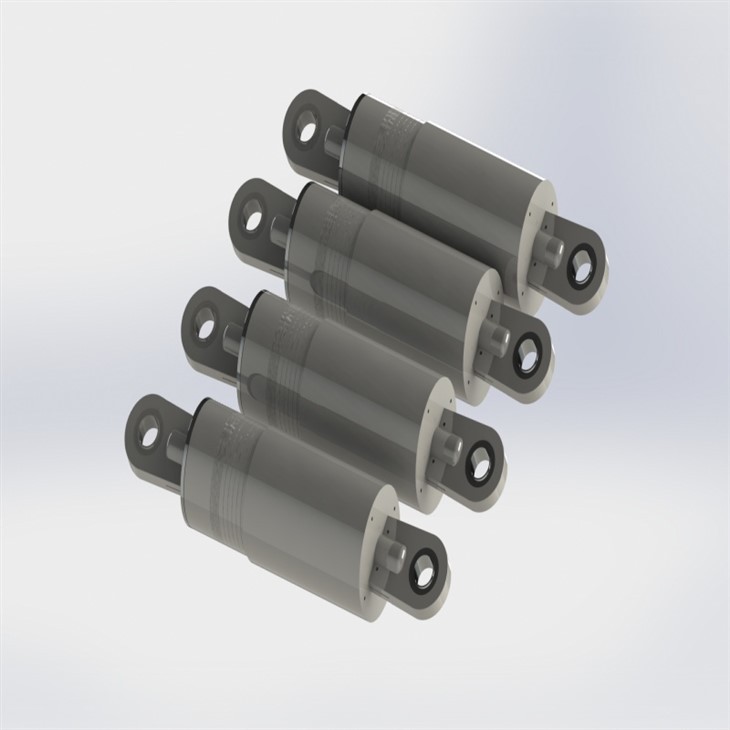
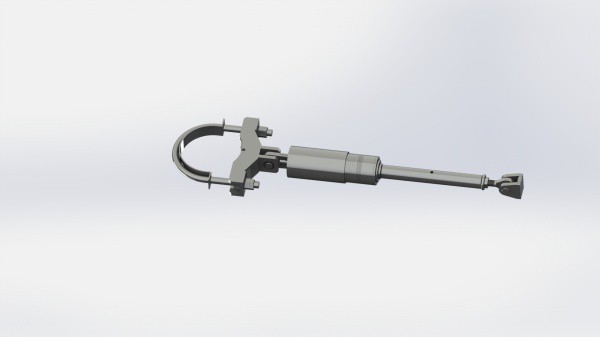
First off, let's quickly go over what a hydraulic damper is. A hydraulic damper, also known as a Hydraulic Shock Absorber, is a device that controls the movement of machinery or structures by dissipating energy. It works by using a hydraulic fluid, usually oil, to create resistance against the motion. When there's a force applied to the damper, the fluid is forced through small holes or valves, which slows down the movement and absorbs the energy.
Why Adjust the Damping Force?
There are several reasons why you might want to adjust the damping force of a hydraulic damper. For one, different applications require different levels of damping. For example, in a car suspension system, you'd want a different damping force for a smooth highway ride compared to a bumpy off - road adventure. In industrial machinery, the damping force might need to be adjusted based on the load and the speed of operation.
Another reason is to optimize the performance and lifespan of the equipment. If the damping force is too high, it can cause excessive wear and tear on the damper and other components. On the other hand, if it's too low, the equipment might not be properly controlled, leading to instability and potential damage.
Methods of Adjusting Damping Force
1. Adjusting the Orifice Size
One of the most common ways to adjust the damping force is by changing the size of the orifices through which the hydraulic fluid flows. Orifices are small holes or channels in the damper. When you make the orifices smaller, the fluid has a harder time flowing through, which increases the resistance and thus the damping force. Conversely, making the orifices larger reduces the resistance and the damping force.
Most modern hydraulic dampers come with adjustable orifices. You can usually find a screw or a knob on the damper that allows you to change the orifice size. It's a relatively simple process, but it does require some trial and error. You'll need to test the damper after each adjustment to see how it affects the performance.
2. Changing the Viscosity of the Hydraulic Fluid
The viscosity of the hydraulic fluid also plays a big role in determining the damping force. Viscosity refers to the thickness or stickiness of the fluid. A more viscous fluid will flow more slowly, creating more resistance and a higher damping force. A less viscous fluid will flow more easily, resulting in a lower damping force.
If you want to increase the damping force, you can switch to a hydraulic fluid with a higher viscosity. However, you need to be careful because changing the fluid can also affect other aspects of the damper's performance. For example, a very viscous fluid might not work well in cold temperatures as it can become too thick and cause the damper to malfunction.
3. Modifying the Valve Settings
Many hydraulic dampers have valves that control the flow of the hydraulic fluid. These valves can be adjusted to change the damping force. There are different types of valves, such as compression valves and rebound valves. Compression valves control the damping force when the damper is being compressed, while rebound valves control the force when it's expanding.
Adjusting the valve settings can be a bit more complex than adjusting the orifice size. It often requires some technical knowledge and special tools. You might need to refer to the damper's manual or consult with a professional to make these adjustments correctly.
Step - by - Step Guide to Adjusting Damping Force
Step 1: Identify the Adjustment Method
First, you need to figure out which method of adjustment your hydraulic damper uses. Check the damper's manual or look for any adjustment screws, knobs, or valves on the device. If you're not sure, you can always contact us at our company. We're more than happy to help you identify the adjustment method for your specific damper.
Step 2: Make Small Adjustments
Once you've identified the adjustment method, start making small adjustments. For example, if you're adjusting the orifice size, turn the adjustment screw just a little bit at a time. This way, you can accurately gauge the effect of each adjustment on the damping force.
Step 3: Test the Damper
After each adjustment, test the damper to see how it performs. In a car suspension system, you can take the car for a short drive. In an industrial setting, you can run the machinery for a few cycles. Pay attention to how the equipment responds. Does it feel smoother? Is there less vibration? These are all signs that the adjustment is having a positive effect.
Step 4: Repeat the Process
If the adjustment didn't have the desired effect, make another small adjustment and test the damper again. Keep repeating this process until you achieve the optimal damping force for your application.
Tips for Successful Adjustment
- Keep Records: It's a good idea to keep a record of the adjustments you make. Note down the settings, the date of adjustment, and how the damper performed after each change. This can help you track your progress and make more informed adjustments in the future.
- Use the Right Tools: Make sure you use the right tools for the adjustment. Using the wrong tools can damage the damper or lead to inaccurate adjustments.
- Seek Professional Help if Needed: If you're having trouble adjusting the damping force or if you're not confident in your abilities, don't hesitate to seek professional help. Our team of experts is always available to assist you.
Conclusion
Adjusting the damping force of a hydraulic damper is an important part of optimizing the performance and lifespan of your equipment. Whether you're adjusting the orifice size, changing the fluid viscosity, or modifying the valve settings, it's all about finding the right balance.
If you're in the market for a high - quality Hydraulic Damper or need more advice on adjusting the damping force, we're here to help. We've got a wide range of hydraulic dampers to suit different applications, and our team of experts can provide you with all the support you need. Contact us today to start a conversation about your specific requirements and let's work together to find the perfect solution for you.
References
- "Hydraulic Shock Absorbers: Design, Analysis, and Testing" by John Doe
- "Fluid Mechanics in Hydraulic Dampers" by Jane Smith
- Manufacturer's manuals of various hydraulic dampers