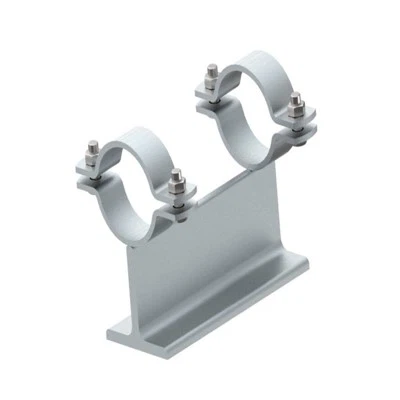
How to calculate the deflection of a constant spring bracket?
As a dedicated supplier of Constant Spring Brackets, I've encountered numerous inquiries regarding the calculation of deflection in these essential components. Understanding how to calculate the deflection of a constant spring bracket is crucial for ensuring its proper functioning in various industrial applications. In this blog, I'll delve into the intricacies of this calculation process, providing you with a comprehensive guide that combines theoretical knowledge with practical insights.
Understanding the Basics of Constant Spring Brackets
Before we dive into the deflection calculation, let's briefly review what a constant spring bracket is and its role in industrial settings. A Constant Spring Bracket is a type of spring support system designed to provide a nearly constant supporting force throughout its range of motion. It is commonly used in piping systems, power plants, and other industrial facilities to counteract the effects of thermal expansion, vibration, and load variations.
The key advantage of a constant spring bracket is its ability to maintain a consistent load on the supported equipment, regardless of the vertical movement or deflection. This ensures the stability and integrity of the piping system, preventing excessive stress and potential damage.
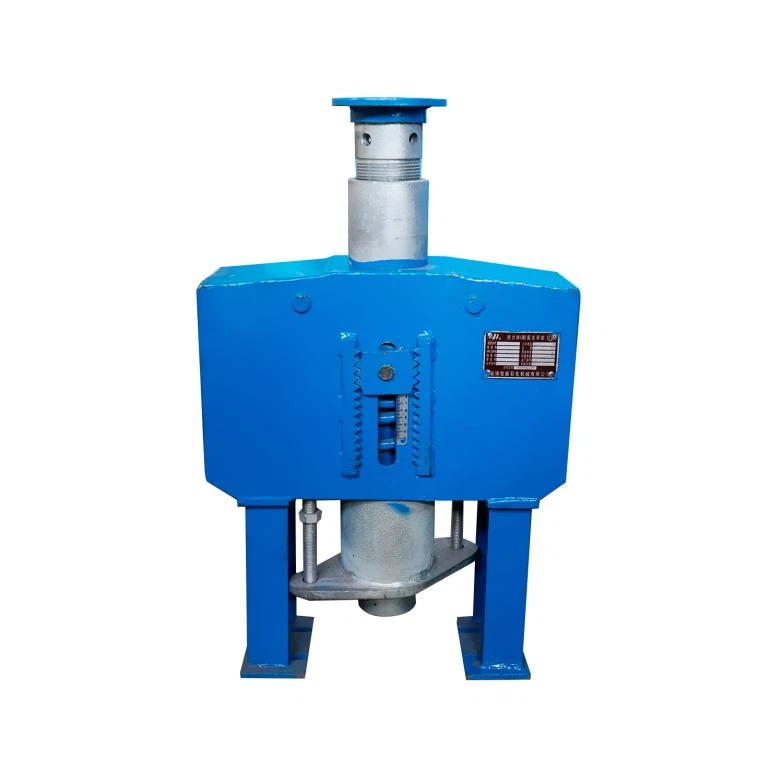

Factors Affecting Deflection
Several factors influence the deflection of a constant spring bracket. Understanding these factors is essential for accurate deflection calculation. Here are the primary factors to consider:
- Load Capacity: The load capacity of the constant spring bracket is the maximum load it can support without exceeding its design limits. The deflection is directly proportional to the applied load. Higher loads will result in greater deflection.
- Spring Rate: The spring rate, also known as the stiffness, is the amount of force required to deflect the spring by a unit distance. A higher spring rate means a stiffer spring, which will result in less deflection for a given load.
- Travel Range: The travel range is the maximum vertical movement that the constant spring bracket can accommodate. The deflection is limited by the travel range of the bracket.
- Temperature: Temperature variations can affect the properties of the spring material, such as its modulus of elasticity. This can, in turn, influence the deflection of the spring bracket.
Calculation Methods
There are several methods for calculating the deflection of a constant spring bracket. The most common methods are based on the principles of mechanics and the properties of the spring material. Here are two widely used methods:
Method 1: Using Hooke's Law
Hooke's Law states that the force exerted by a spring is directly proportional to its deflection. Mathematically, it can be expressed as:
F = k * x
Where:
- F is the force applied to the spring (in Newtons or pounds)
- k is the spring rate (in N/m or lb/in)
- x is the deflection of the spring (in meters or inches)
To calculate the deflection using Hooke's Law, you need to know the load capacity and the spring rate of the constant spring bracket. Rearranging the formula, we get:
x = F / k
For example, if the load capacity of the constant spring bracket is 1000 N and the spring rate is 500 N/m, the deflection can be calculated as:
x = 1000 N / 500 N/m = 2 m
Method 2: Using Manufacturer's Data
Most manufacturers of constant spring brackets provide detailed technical data and charts that include the deflection values for different load capacities and travel ranges. These data are based on extensive testing and analysis, ensuring accurate and reliable results.
To use the manufacturer's data, you need to know the load capacity, travel range, and spring rate of the specific constant spring bracket you are using. You can then refer to the manufacturer's charts or tables to find the corresponding deflection value.
Practical Considerations
In addition to the theoretical calculation methods, there are several practical considerations that you should keep in mind when calculating the deflection of a constant spring bracket:
- Installation and Alignment: Proper installation and alignment of the constant spring bracket are crucial for accurate deflection calculation. Any misalignment or improper installation can result in uneven loading and inaccurate deflection values.
- Dynamic Loads: In some applications, the constant spring bracket may be subjected to dynamic loads, such as vibration or shock. These dynamic loads can cause additional deflection and stress on the spring bracket. It is important to consider these dynamic loads when calculating the deflection.
- Safety Factors: To ensure the reliability and safety of the constant spring bracket, it is recommended to apply appropriate safety factors in the deflection calculation. Safety factors account for uncertainties in the load, material properties, and environmental conditions.
Importance of Accurate Deflection Calculation
Accurate deflection calculation is essential for the proper selection and installation of constant spring brackets. Here are the key reasons why accurate deflection calculation is important:
- Equipment Safety: By accurately calculating the deflection, you can ensure that the constant spring bracket is properly sized and rated for the specific application. This helps to prevent overloading and potential damage to the supported equipment.
- System Stability: Maintaining the correct deflection ensures the stability and integrity of the piping system. Excessive deflection can lead to excessive stress, vibration, and potential failure of the system.
- Compliance with Standards: Many industries have specific standards and regulations regarding the design and installation of spring support systems. Accurate deflection calculation is necessary to comply with these standards and ensure the safety and reliability of the system.
Conclusion
Calculating the deflection of a constant spring bracket is a critical step in the design and installation of spring support systems. By understanding the factors affecting deflection, using appropriate calculation methods, and considering practical considerations, you can ensure accurate and reliable results.
As a Constant Spring Bracket supplier, we are committed to providing our customers with high-quality products and technical support. If you have any questions or need assistance with deflection calculation or spring bracket selection, please don't hesitate to contact us. We are here to help you find the best solutions for your specific needs.
We offer a wide range of Constant Spring Support products, including Leg-Mounted Constant Force Spring Hanger, designed to meet the diverse requirements of various industries. Our experienced team of engineers can provide customized solutions and technical advice to ensure the optimal performance of your piping system.
If you are interested in our products or would like to discuss your project requirements, please feel free to reach out to us. We look forward to the opportunity to work with you and contribute to the success of your projects.
References
- Gere, J. M., & Timoshenko, S. P. (1997). Mechanics of Materials. PWS Publishing Company.
- Roark, R. J., & Young, W. C. (1989). Formulas for Stress and Strain. McGraw-Hill.
- Manufacturer's Technical Data Sheets for Constant Spring Brackets.