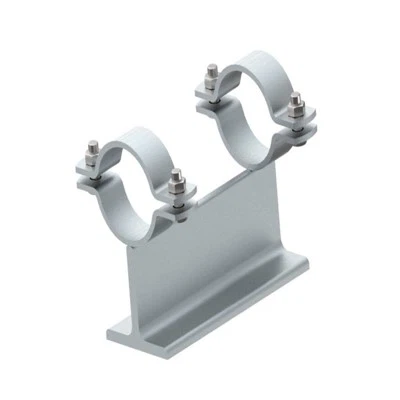
When it comes to ensuring the integrity and safety of piping systems, the quality of pipe clamps plays a crucial role. As a trusted Pipe Clamps [/pipe-hangers-accessories/pipe-clamps.html] supplier, I understand the importance of providing high-quality products to our customers. In this blog post, I will share some essential tips on how to check if a pipe clamp is of good quality.
Material Quality
The first step in evaluating the quality of a pipe clamp is to examine the material it is made of. High-quality pipe clamps are typically constructed from durable materials such as stainless steel, carbon steel, or aluminum. These materials offer excellent corrosion resistance, strength, and durability, making them suitable for various applications.
- Stainless Steel: Stainless steel pipe clamps are known for their superior corrosion resistance, making them ideal for use in harsh environments or applications where exposure to moisture or chemicals is expected. They are also highly durable and can withstand high temperatures and pressures.
- Carbon Steel: Carbon steel pipe clamps are strong and cost-effective, making them a popular choice for many industrial applications. However, they are more susceptible to corrosion than stainless steel, so they may require additional protection, such as painting or galvanizing.
- Aluminum: Aluminum pipe clamps are lightweight and corrosion-resistant, making them suitable for applications where weight is a concern. They are also relatively easy to install and can be used in a variety of environments.
When inspecting the material of a pipe clamp, look for signs of rust, corrosion, or other damage. The material should be smooth and free of any defects or imperfections. Additionally, check the thickness of the material to ensure that it is sufficient for the intended application.
Manufacturing Process
The manufacturing process used to produce a pipe clamp can also have a significant impact on its quality. High-quality pipe clamps are typically manufactured using precision machining and welding techniques to ensure a tight fit and a strong connection.
- Precision Machining: Precision machining is used to create the exact dimensions and tolerances required for a pipe clamp to fit securely around the pipe. This process ensures that the clamp is uniform and consistent, reducing the risk of leaks or failures.
- Welding: Welding is used to join the different components of a pipe clamp together. High-quality pipe clamps are typically welded using advanced welding techniques, such as TIG (tungsten inert gas) welding or MIG (metal inert gas) welding, to ensure a strong and durable bond.
When inspecting a pipe clamp, look for signs of poor machining or welding, such as rough edges, uneven surfaces, or gaps between the components. The clamp should fit snugly around the pipe without any play or movement.
Design and Construction
The design and construction of a pipe clamp can also affect its performance and durability. High-quality pipe clamps are typically designed to provide maximum support and stability for the pipe, while also minimizing the risk of damage or corrosion.
- Shape and Size: The shape and size of a pipe clamp should be appropriate for the size and type of pipe it is intended to hold. The clamp should be able to grip the pipe securely without causing any damage or deformation.
- Bolt and Nut Quality: The bolts and nuts used to secure the pipe clamp should be made of high-quality materials and have the correct thread size and pitch. They should also be tightened to the recommended torque specification to ensure a secure connection.
- Finish and Coating: The finish and coating of a pipe clamp can help to protect it from corrosion and damage. High-quality pipe clamps are typically coated with a protective layer, such as zinc or epoxy, to provide additional protection.
When inspecting a pipe clamp, look for signs of poor design or construction, such as weak or flimsy components, loose bolts or nuts, or a lack of protective coating. The clamp should be well-designed and constructed to provide reliable performance and long-term durability.

Testing and Certification
In addition to examining the material, manufacturing process, design, and construction of a pipe clamp, it is also important to ensure that it has been tested and certified to meet the relevant industry standards. High-quality pipe clamps are typically tested to ensure that they meet the requirements of standards such as ASTM, ISO, or DIN.
- Load Testing: Load testing is used to determine the maximum load capacity of a pipe clamp. The clamp is subjected to a specified load for a certain period of time to ensure that it can withstand the load without failing or deforming.
- Corrosion Testing: Corrosion testing is used to evaluate the corrosion resistance of a pipe clamp. The clamp is exposed to a corrosive environment for a certain period of time to determine its resistance to corrosion.
- Certification: Certification is a process by which a third-party organization verifies that a pipe clamp meets the relevant industry standards. Look for pipe clamps that have been certified by a recognized organization, such as UL, CE, or RoHS.
When purchasing a pipe clamp, ask the supplier for documentation to prove that the clamp has been tested and certified to meet the relevant industry standards. This will give you peace of mind knowing that you are purchasing a high-quality product that will perform reliably in your application.
Conclusion
In conclusion, checking the quality of a pipe clamp is essential to ensure the integrity and safety of your piping system. By examining the material, manufacturing process, design, construction, and testing and certification of a pipe clamp, you can determine whether it is of good quality and suitable for your application. As a Pipe Clamps [/pipe-hangers-accessories/pipe-clamps.html] supplier, we are committed to providing our customers with high-quality products that meet the highest standards of quality and performance. If you have any questions or need assistance in selecting the right pipe clamp for your application, please do not hesitate to contact us. We look forward to working with you to meet your piping system needs.
References
- ASTM International. (n.d.). ASTM Standards. Retrieved from [Website URL]
- International Organization for Standardization (ISO). (n.d.). ISO Standards. Retrieved from [Website URL]
- Deutsches Institut für Normung (DIN). (n.d.). DIN Standards. Retrieved from [Website URL]