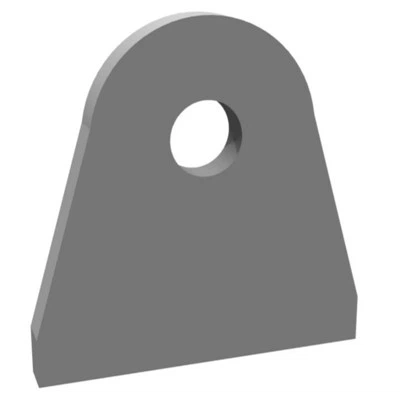
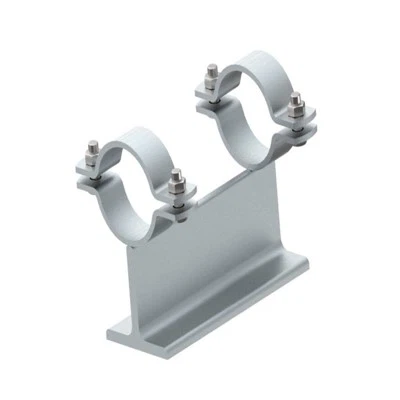
Determining the correct position for installing a pipe reinforcement circle is a crucial step in ensuring the safety, stability, and long - term performance of a piping system. As a leading supplier of Pipe Reinforcement Circles, I have witnessed firsthand the significant impact that proper installation positioning can have on the overall functionality of a pipeline. In this blog post, I will share some key considerations and methods for accurately determining the installation position of a pipe reinforcement circle.
Understanding the Purpose of Pipe Reinforcement Circles
Before delving into the installation position, it's essential to understand why pipe reinforcement circles are used. These circles are designed to enhance the structural integrity of pipes, especially in areas where the pipe is subjected to high stress, vibration, or external forces. They help distribute the load evenly across the pipe surface, preventing localized stress concentrations that could lead to pipe failure, such as cracks or leaks.
Factors Affecting the Installation Position
1. Pipe Material and Diameter
Different pipe materials have varying mechanical properties, such as strength and flexibility. For example, steel pipes are generally stronger but may be more prone to corrosion, while plastic pipes are more flexible but may have lower heat resistance. The diameter of the pipe also plays a significant role. Larger - diameter pipes typically require more support and reinforcement, and the installation position of the reinforcement circle may need to be adjusted accordingly.
2. Operating Conditions
The operating conditions of the piping system, including pressure, temperature, and fluid flow rate, can greatly influence the installation position of the reinforcement circle. High - pressure systems, for instance, may require reinforcement circles to be placed at shorter intervals to withstand the increased stress. Similarly, pipes carrying hot fluids may expand and contract, necessitating strategic placement of reinforcement circles to accommodate these thermal movements.
3. External Loads
External loads, such as seismic activity, wind, or the weight of surrounding structures, can exert additional stress on the pipes. In areas prone to earthquakes, reinforcement circles should be installed at critical points to enhance the pipe's ability to withstand seismic forces. When pipes are installed in proximity to heavy machinery or other structures, the position of the reinforcement circles should be determined to counteract the potential impact of these external loads.
4. Pipe Configuration
The configuration of the piping system, including bends, elbows, and tees, can create areas of high stress concentration. Reinforcement circles should be installed near these fittings to provide additional support and prevent pipe failure. For example, at a pipe bend, the reinforcement circle can help distribute the stress caused by the change in flow direction.
Methods for Determining the Installation Position
1. Engineering Analysis
One of the most reliable methods for determining the correct installation position of a pipe reinforcement circle is through engineering analysis. This involves using advanced software and mathematical models to simulate the behavior of the piping system under different operating conditions. Engineers can input data such as pipe material properties, operating pressure, temperature, and external loads to calculate the stress distribution along the pipe. Based on the analysis results, they can identify the areas where reinforcement circles are needed and determine the optimal installation positions.
2. Industry Standards and Codes
Industry standards and codes provide valuable guidelines for the installation of pipe reinforcement circles. Organizations such as the American Society of Mechanical Engineers (ASME) and the International Organization for Standardization (ISO) have developed comprehensive standards that specify the requirements for pipe reinforcement and support. These standards take into account various factors, including pipe size, material, and operating conditions, and provide recommendations on the installation position and spacing of reinforcement circles.
3. Field Inspection
In addition to engineering analysis and industry standards, field inspection is an important step in determining the installation position. A thorough inspection of the piping system can help identify any existing issues, such as signs of wear, corrosion, or misalignment. Inspectors can also assess the surrounding environment and external factors that may affect the pipe's performance. Based on the findings of the field inspection, the installation position of the reinforcement circles can be adjusted to address specific concerns.
Specific Installation Positions
1. Near Pipe Supports
Pipe supports, such as Pipe Clamps, are used to hold the pipe in place and prevent excessive movement. Reinforcement circles should be installed near these supports to enhance the connection between the pipe and the support structure. This can help distribute the load from the support to the pipe more evenly, reducing the risk of stress concentration at the support points.
2. At Pipe Fittings
As mentioned earlier, pipe fittings, such as bends, elbows, and tees, are areas of high stress concentration. Reinforcement circles should be installed at these locations to provide additional support and prevent pipe failure. For example, at a pipe tee, the reinforcement circle can help distribute the stress caused by the branching of the flow.
3. Along Long Straight Pipe Runs
In long straight pipe runs, reinforcement circles may be required at regular intervals to prevent sagging and excessive vibration. The spacing between the reinforcement circles depends on factors such as the pipe diameter, material, and operating conditions. Generally, larger - diameter pipes or pipes carrying high - pressure fluids may require closer spacing of reinforcement circles.
4. Near Equipment Connections
Pipes that are connected to equipment, such as pumps, valves, or Sight Glass, can experience significant stress due to the movement and vibration of the equipment. Reinforcement circles should be installed near these connections to protect the pipe from damage and ensure a reliable connection.
Importance of Professional Installation
Determining the correct position for installing a pipe reinforcement circle is a complex task that requires expertise and experience. Professional installers are trained to consider all the relevant factors and follow industry best practices to ensure the proper installation of the reinforcement circles. They can also perform quality checks during and after the installation to ensure that the piping system meets the required standards.
Conclusion
Determining the correct position for installing a pipe reinforcement circle is a critical aspect of maintaining the safety and performance of a piping system. By considering factors such as pipe material, operating conditions, external loads, and pipe configuration, and using methods such as engineering analysis, industry standards, and field inspection, the optimal installation positions can be identified. As a Pipe Reinforcement Circle supplier, I am committed to providing high - quality products and expert advice to help our customers ensure the proper installation of their piping systems. If you are in need of Pipe Reinforcement Circles or have any questions about their installation, please feel free to contact us for a consultation. We look forward to working with you to meet your piping system needs.

References
- American Society of Mechanical Engineers (ASME). ASME B31 Code for Pressure Piping.
- International Organization for Standardization (ISO). ISO standards related to piping systems and reinforcement.
- Pipe Stress Analysis Handbook, various editions.