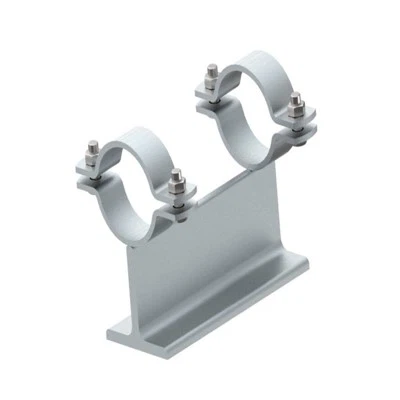
As a supplier of pipe lugs, ensuring the long - term performance of these essential components is not only crucial for our customers but also for the reputation of our business. Pipe lugs play a vital role in various industries, including oil and gas, chemical processing, and water treatment, where they are used to support and secure pipes. In this blog, I will share some key strategies and best practices on how to ensure the long - term performance of pipe lugs.
1. Material Selection
The choice of material is the foundation for ensuring the long - term performance of pipe lugs. Different environments and applications demand different materials. For instance, in corrosive environments such as chemical plants or offshore platforms, stainless steel or galvanized steel pipe lugs are often preferred. Stainless steel offers excellent corrosion resistance due to the presence of chromium, which forms a passive oxide layer on the surface, protecting the metal from further oxidation. Galvanized steel, on the other hand, has a zinc coating that provides a sacrificial layer of protection against rust.
In high - temperature applications, materials like alloy steel or heat - resistant alloys may be more suitable. These materials can withstand elevated temperatures without significant loss of strength or deformation. For example, in power plants where steam pipes operate at high temperatures, pipe lugs made from appropriate high - temperature alloys ensure the stability and safety of the piping system over the long term.
2. Design and Engineering
Proper design and engineering are essential for the long - term performance of pipe lugs. The design should take into account factors such as the weight of the pipe, the type of fluid flowing through it, the operating temperature and pressure, and any external forces or vibrations. A well - designed pipe lug should be able to distribute the load evenly across its structure, preventing stress concentrations that could lead to premature failure.
For example, the shape and size of the pipe lug should be carefully calculated to match the diameter and weight of the pipe. In addition, the connection points between the pipe lug and the pipe or the supporting structure should be designed to provide a secure and stable attachment. Engineers can use advanced software and modeling techniques to simulate the behavior of pipe lugs under different conditions, allowing for optimization of the design before production.
3. Manufacturing Quality Control
Strict quality control during the manufacturing process is another critical factor in ensuring the long - term performance of pipe lugs. Every step of the manufacturing process, from raw material inspection to final product testing, should be closely monitored.
Raw materials should be inspected for their chemical composition, mechanical properties, and dimensional accuracy. For example, steel materials should meet the relevant standards for carbon content, tensile strength, and yield strength. During the manufacturing process, proper machining techniques should be used to ensure smooth surfaces and accurate dimensions of the pipe lugs. Welding, if applicable, should be performed by qualified welders using appropriate welding procedures to ensure strong and reliable joints.
Final product testing is also essential. Non - destructive testing methods such as ultrasonic testing, magnetic particle testing, and dye penetrant testing can be used to detect any internal or surface defects in the pipe lugs. Pressure testing can be conducted to ensure that the pipe lugs can withstand the operating pressure of the piping system.
4. Installation and Maintenance
Correct installation and regular maintenance are key to the long - term performance of pipe lugs. During installation, it is important to follow the manufacturer's instructions carefully. The pipe lugs should be installed in the correct position and orientation, and all fasteners should be tightened to the specified torque. Improper installation can lead to misalignment, uneven loading, and premature failure of the pipe lugs.
Regular maintenance is also necessary to identify and address any potential issues before they become serious problems. Inspections should be carried out periodically to check for signs of corrosion, wear, or damage. For example, the surface of the pipe lugs should be checked for rust or pitting, and the connection points should be inspected for looseness or deformation. Any damaged or worn parts should be replaced promptly to ensure the continued performance of the pipe lugs.
5. Compatibility with Other Components
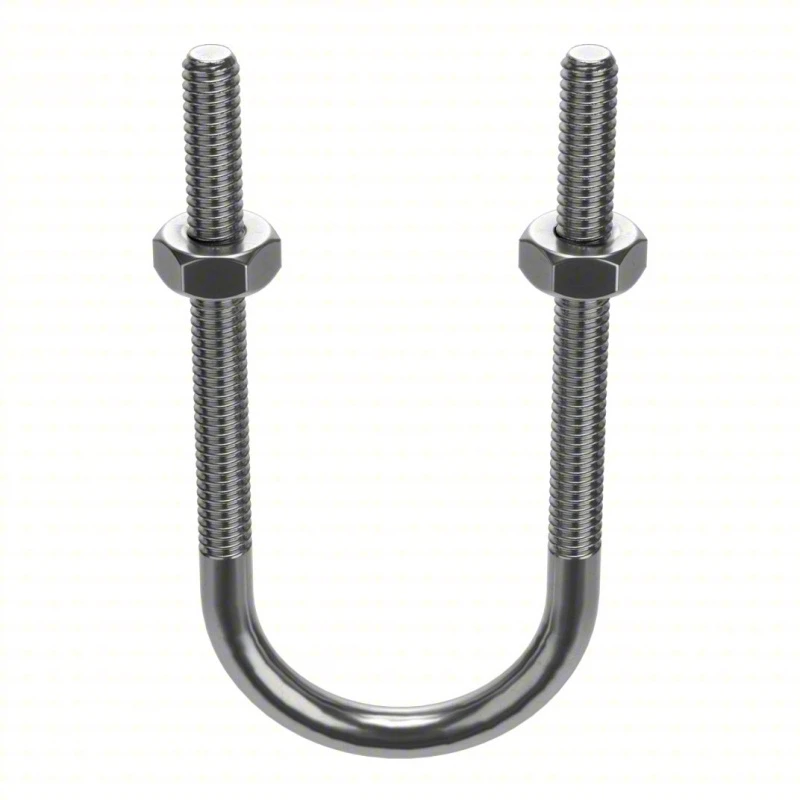
Pipe lugs do not operate in isolation; they are part of a larger piping system. Therefore, it is important to ensure their compatibility with other components in the system, such as U-Type Bolt, Pipe Clamps, and Sight Glass.
The materials and design of the pipe lugs should be compatible with the materials and design of these other components. For example, if the pipe clamps are made of a certain type of plastic, the pipe lugs should be able to work together with them without causing any chemical reactions or mechanical interference. Compatibility also extends to the load - bearing capacity and the operating conditions of the entire system. Ensuring that all components are compatible helps to maintain the overall stability and performance of the piping system.
6. Environmental Considerations
The environment in which the pipe lugs operate can have a significant impact on their long - term performance. In addition to corrosion in harsh chemical or marine environments, other environmental factors such as temperature fluctuations, humidity, and exposure to sunlight can also affect the pipe lugs.

In areas with large temperature variations, the pipe lugs should be able to expand and contract without causing damage to the piping system. Special thermal insulation or expansion joints may be required to accommodate these changes. In high - humidity environments, proper coatings or surface treatments can be applied to the pipe lugs to prevent corrosion.
Conclusion
Ensuring the long - term performance of pipe lugs requires a comprehensive approach that encompasses material selection, design and engineering, manufacturing quality control, installation and maintenance, compatibility with other components, and environmental considerations. As a pipe lug supplier, we are committed to providing high - quality products and professional services to our customers.
If you are in need of pipe lugs or have any questions about their long - term performance, we welcome you to contact us for procurement discussions. Our team of experts is ready to assist you in selecting the most suitable pipe lugs for your specific applications and ensuring their optimal performance over the long term.
References
- ASME B31.3 Process Piping Code
- ASTM Standards for Steel Materials
- API Standards for Oil and Gas Piping Systems