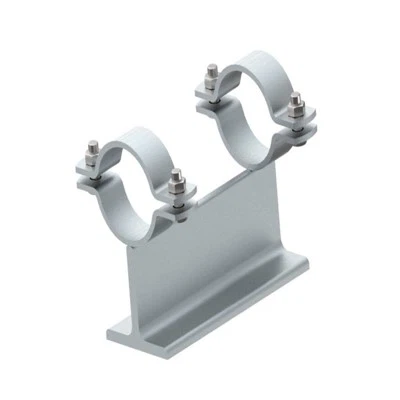
Installing pipe lugs in hard-to-reach areas can be a challenging yet crucial task in various industrial and construction settings. As a Pipe Lugs supplier, I've encountered numerous scenarios where proper installation in difficult locations is essential for the safety and efficiency of piping systems. In this blog, I'll share some valuable insights and practical tips on how to successfully install pipe lugs in those hard-to-access spots.
Understanding Pipe Lugs
Before delving into the installation process, it's important to have a clear understanding of what pipe lugs are and their functions. Pipe lugs are components used to support and secure pipes in place. They are typically attached to the pipe and then connected to a support structure, such as a beam or a wall. Pipe lugs come in various shapes and sizes, depending on the specific requirements of the piping system. For more information about different types of pipe lugs, you can visit our Pipe Lugs page.
Pre-Installation Assessment
The first step in installing pipe lugs in hard-to-reach areas is to conduct a thorough pre-installation assessment. This involves evaluating the location, accessibility, and the specific conditions of the area where the pipe lugs will be installed. Consider factors such as the distance from the ground, the presence of obstacles, and the available space for maneuvering tools and equipment.
Measuring and Marking
Accurate measurement and marking are crucial for a successful installation. Use appropriate measuring tools to determine the exact position where the pipe lugs will be attached. Mark the spots on the pipe and the support structure clearly to ensure precise alignment during installation.
Safety Considerations
Safety should always be the top priority when working in hard-to-reach areas. Ensure that all workers are equipped with the necessary safety gear, such as harnesses, helmets, and safety glasses. Set up proper scaffolding or access platforms to provide a stable working environment. Conduct a risk assessment to identify potential hazards and implement appropriate safety measures.
Selecting the Right Tools and Equipment
Choosing the right tools and equipment is essential for installing pipe lugs in hard-to-reach areas. Here are some tools that you may need:
Welding Equipment
If the pipe lugs need to be welded to the pipe or the support structure, you'll need a suitable welding machine. Make sure the welding equipment is in good working condition and that the operators are properly trained.
Drilling Tools
In some cases, you may need to drill holes in the pipe or the support structure to install the pipe lugs. Select the appropriate drilling tools based on the material and thickness of the surface.
Lifting Equipment
To lift the pipe lugs into position, you may need lifting equipment such as cranes or hoists. Ensure that the lifting equipment is rated for the weight of the pipe lugs and that it is operated safely.

Installation Process
Once you've completed the pre-installation assessment and selected the right tools and equipment, it's time to start the installation process. Here are the general steps involved:
Positioning the Pipe Lugs
Use the lifting equipment to carefully position the pipe lugs at the marked spots on the pipe and the support structure. Make sure the lugs are aligned correctly and that there is sufficient clearance for any connections or adjustments.
Securing the Pipe Lugs
Depending on the type of pipe lugs and the installation requirements, you may need to use different methods to secure them in place. This could include welding, bolting, or using clamps. Follow the manufacturer's instructions and industry standards for the specific installation method.
Connecting the Pipe Lugs to the Support Structure
After the pipe lugs are secured to the pipe, connect them to the support structure. This may involve using bolts, nuts, or other fasteners. Tighten the fasteners to the appropriate torque to ensure a secure connection.
Testing and Inspection
Once the installation is complete, conduct a thorough testing and inspection of the pipe lugs and the entire piping system. Check for any signs of leaks, misalignment, or loose connections. Make any necessary adjustments or repairs before putting the system into operation.
Dealing with Specific Challenges
Installing pipe lugs in hard-to-reach areas often presents specific challenges that need to be addressed. Here are some common challenges and how to overcome them:
Limited Access
If the area is difficult to access, consider using remote-controlled tools or equipment. For example, you can use a robotic welder to perform welding operations in tight spaces. You can also explore the option of modular installation, where the pipe lugs are pre-assembled in a more accessible location and then transported to the installation site.
Obstacles
Obstacles such as walls, beams, or other pipes can make it difficult to install pipe lugs. In such cases, you may need to use custom-made tools or modify existing tools to work around the obstacles. You can also consider repositioning the pipe lugs or the support structure to avoid the obstacles.
Environmental Conditions
Harsh environmental conditions, such as extreme temperatures, high humidity, or corrosive atmospheres, can affect the installation and performance of pipe lugs. Choose pipe lugs and installation materials that are suitable for the specific environmental conditions. For example, in a corrosive environment, use stainless steel or coated pipe lugs to prevent rust and corrosion.
Maintenance and Monitoring
After the pipe lugs are installed, it's important to establish a regular maintenance and monitoring schedule. Inspect the pipe lugs periodically for any signs of wear, damage, or corrosion. Check the tightness of the fasteners and make any necessary adjustments. Replace any worn or damaged pipe lugs promptly to ensure the continued safety and efficiency of the piping system.
Conclusion
Installing pipe lugs in hard-to-reach areas requires careful planning, the right tools and equipment, and a focus on safety. By following the steps outlined in this blog, you can successfully install pipe lugs in challenging locations and ensure the long-term performance of your piping system.
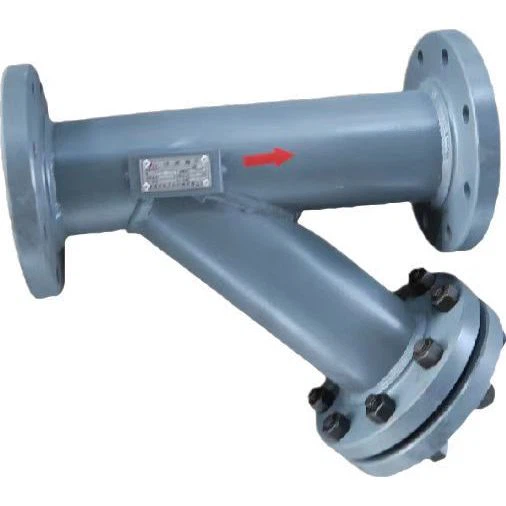
As a Pipe Lugs supplier, we offer a wide range of high-quality pipe lugs and related accessories. If you're in need of pipe lugs for your project or have any questions about installation, please don't hesitate to contact us. We're here to provide you with the best solutions and support. You can also explore our other products, such as Pipe Clamps and Pipeline Filter, which may be useful for your piping system.
References
- Pipe Hanger Handbook, Various Industry Publications
- Welding and Joining Standards, American Welding Society
- Safety Guidelines for Working at Heights, Occupational Safety and Health Administration