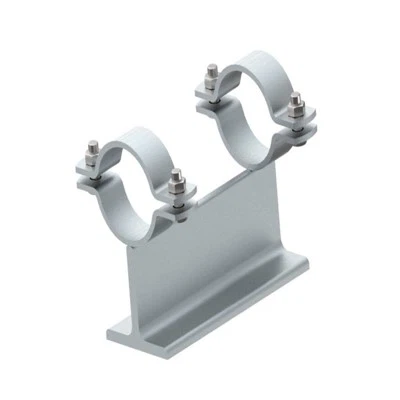
Pipe lugs are essential components in various piping systems, providing support and stability. However, one of the most common issues faced by users is rusting. As a Pipe Lugs supplier, I understand the importance of preventing rust to ensure the longevity and performance of these products. In this blog, I will share some effective strategies on how to prevent pipe lugs from rusting.
Understanding the Causes of Rust
Before delving into prevention methods, it's crucial to understand what causes rust. Rust is a form of corrosion that occurs when iron or steel comes into contact with oxygen and water. The chemical reaction between these elements forms iron oxide, which we commonly refer to as rust. In the case of pipe lugs, factors such as humidity, exposure to moisture, and the presence of corrosive substances in the environment can accelerate the rusting process.
Material Selection
The first step in preventing rust is to choose the right material for your pipe lugs. Stainless steel is an excellent choice as it contains chromium, which forms a protective oxide layer on the surface. This layer acts as a barrier, preventing oxygen and water from reaching the metal and thus inhibiting rust formation. Pipe Lugs made from high-quality stainless steel grades, such as 304 or 316, offer superior corrosion resistance, especially in harsh environments.
Another option is galvanized steel. Galvanization involves coating the steel with a layer of zinc, which provides sacrificial protection. If the zinc layer is damaged, it corrodes preferentially to the underlying steel, preventing rust from forming on the pipe lugs. However, it's important to note that the effectiveness of galvanization can vary depending on the thickness of the zinc coating and the environmental conditions.
Surface Treatment
In addition to choosing the right material, surface treatment can further enhance the rust resistance of pipe lugs. One common surface treatment method is painting. Applying a high-quality paint coating to the pipe lugs creates a physical barrier between the metal and the environment, preventing oxygen and water from coming into contact with the surface. Epoxy paints are particularly suitable for pipe lugs as they offer excellent adhesion, durability, and chemical resistance.
Powder coating is another popular surface treatment option. It involves applying a dry powder to the pipe lugs and then heating them to fuse the powder into a smooth, continuous coating. Powder coating provides a uniform and durable finish that is resistant to chipping, scratching, and corrosion. It also offers a wide range of color options, allowing you to customize the appearance of your pipe lugs.
Proper Installation
Proper installation is crucial for preventing rust on pipe lugs. During installation, it's important to ensure that the pipe lugs are clean and dry. Any dirt, grease, or moisture on the surface can compromise the effectiveness of the protective coating and increase the risk of rusting. Use a clean cloth or solvent to remove any contaminants before installing the pipe lugs.
In addition, make sure that the pipe lugs are installed correctly and securely. Improper installation can cause stress concentrations, which can lead to damage to the protective coating and increase the likelihood of rust formation. Follow the manufacturer's installation instructions carefully and use the appropriate tools and hardware.
Environmental Control
Controlling the environment in which the pipe lugs are installed can also help prevent rust. If possible, avoid installing pipe lugs in areas with high humidity or exposure to water. If the pipe lugs are installed outdoors, consider using protective covers or enclosures to shield them from the elements.
In industrial settings, where the environment may be more corrosive, it's important to implement appropriate ventilation and drainage systems. Good ventilation helps to reduce humidity levels, while proper drainage prevents water from pooling around the pipe lugs. Additionally, regular cleaning and maintenance of the piping system can help remove any dirt, debris, or corrosive substances that may accumulate on the pipe lugs.
Regular Inspection and Maintenance
Regular inspection and maintenance are essential for detecting and preventing rust on pipe lugs. Inspect the pipe lugs periodically for signs of rust, such as discoloration, flaking, or pitting. If any signs of rust are detected, take immediate action to address the issue.
For minor rust spots, you can use a wire brush or sandpaper to remove the rust and then apply a touch-up paint or coating to the affected area. For more severe rust damage, it may be necessary to replace the pipe lugs to ensure the safety and integrity of the piping system.
In addition to visual inspection, it's also important to perform regular maintenance tasks, such as tightening loose bolts and nuts, checking for proper alignment, and lubricating moving parts. These maintenance tasks help to ensure that the pipe lugs are functioning properly and reduce the risk of rust formation.
Complementary Products for Rust Prevention
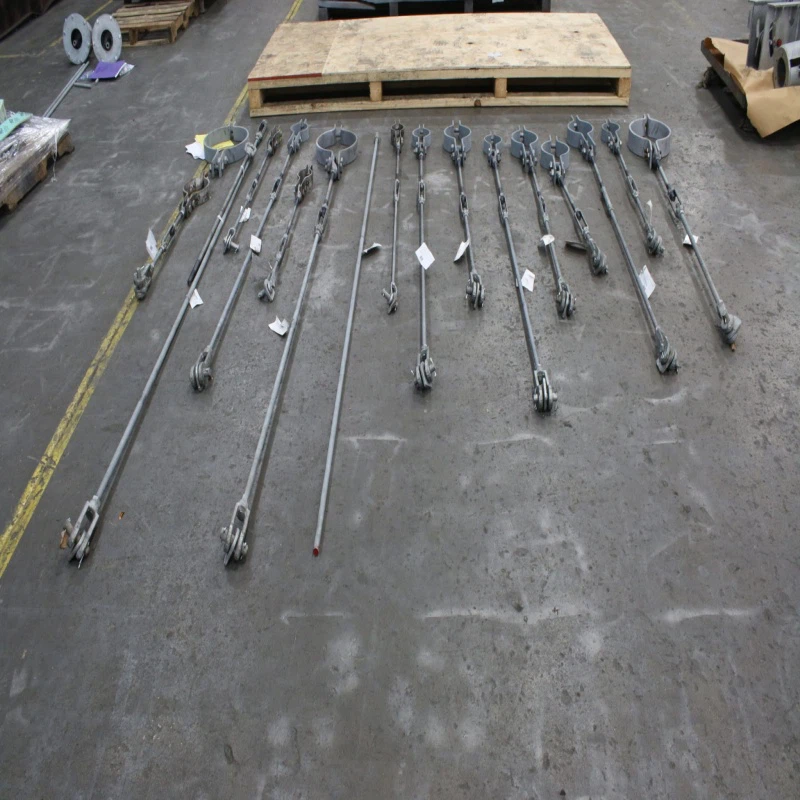
Using complementary products can also enhance the rust prevention of pipe lugs. For example, Adjustable Pipe Hanger Rods made from rust-resistant materials can work in tandem with pipe lugs. They support the pipes and distribute the weight evenly, reducing stress on the pipe lugs and minimizing the chances of damage to the protective coating.
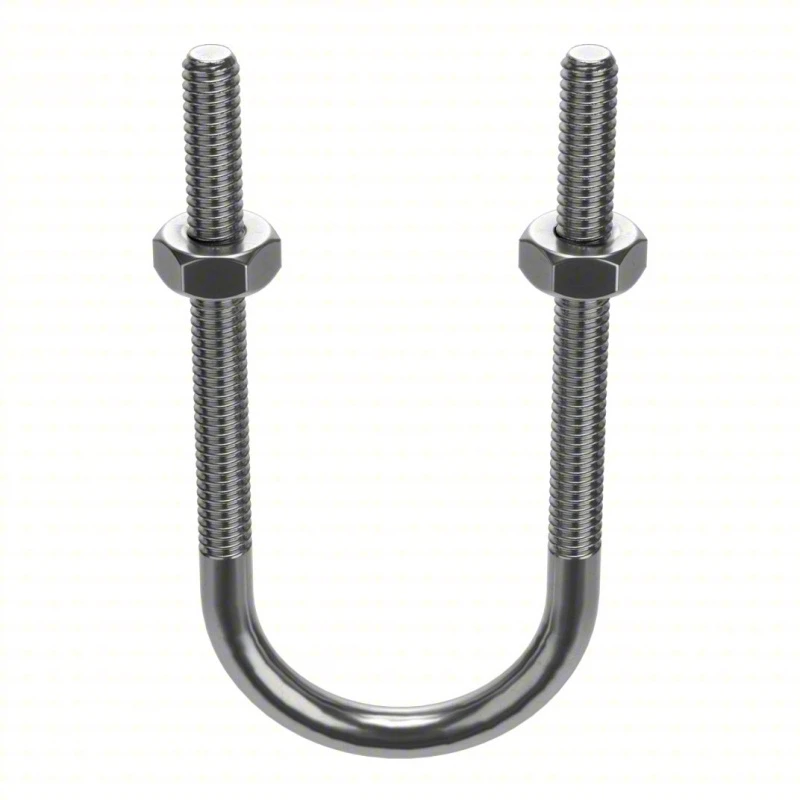
U-Type Bolt is another useful accessory. When properly installed, U-type bolts can secure the pipes firmly to the pipe lugs. If these bolts are also made from rust-resistant materials or have appropriate surface treatments, they can contribute to the overall rust prevention of the entire piping support system.
Conclusion
Preventing pipe lugs from rusting requires a comprehensive approach that includes material selection, surface treatment, proper installation, environmental control, and regular inspection and maintenance. By following these strategies, you can ensure the longevity and performance of your pipe lugs, reducing the risk of costly repairs and replacements.
As a Pipe Lugs supplier, I am committed to providing high-quality products that offer superior rust resistance. If you have any questions or need further information about our Pipe Lugs or rust prevention solutions, please feel free to contact us. We are here to help you find the best products and solutions for your specific needs.
References
- ASM Handbook Volume 13A: Corrosion: Fundamentals, Testing, and Protection. ASM International.
- NACE International Standards for Corrosion Control in the Oil and Gas Industry. NACE International.