Hey there! As a supplier of Tower Containers, I've seen firsthand how important it is to keep these structures in top - notch condition. Tower containers are used in a variety of industries, from chemical processing to power generation. And let's face it, they often have to endure some pretty harsh conditions, like high pressure, extreme temperatures, and corrosive substances. So, how can we reinforce a Tower Container? Well, let's dive right in.
Understanding the Basics of Tower Containers
Before we talk about reinforcement, it's crucial to understand what a Tower Container is and what it does. A Tower Container is essentially a large, vertical vessel designed to hold and process various materials. It could be used for distillation, absorption, or other chemical reactions. These containers are usually made of metal, like steel or stainless steel, because of their strength and durability.
The main components of a Tower Container include the shell, which is the outer part that holds everything in; the internals, like trays or packing materials that help with the processing; and the nozzles, which are used for inlet and outlet of materials. Each part plays a vital role in the overall function of the container.
Assessing the Need for Reinforcement
The first step in reinforcing a Tower Container is to figure out if it actually needs reinforcement. There are a few signs that can indicate a problem. For instance, if you notice excessive vibration, it could mean that the structure is not stable enough. Cracks or leaks in the shell are also red flags. Another thing to look out for is changes in the container's performance. If it's not achieving the desired processing efficiency, it might be due to structural issues.
You can also use non - destructive testing methods, like ultrasonic testing or magnetic particle inspection, to detect internal flaws. These tests can help you identify problems that might not be visible to the naked eye. Once you've assessed the situation, you can then decide on the best course of action for reinforcement.
Reinforcement Methods
1. External Support Structures
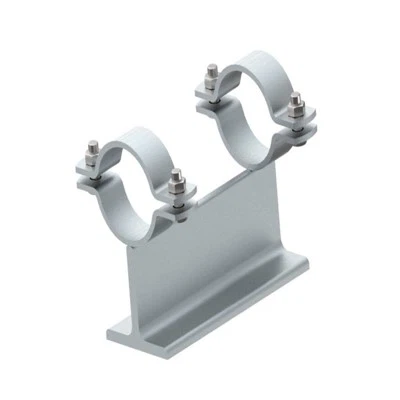
One of the most common ways to reinforce a Tower Container is by adding external support structures. This could include braces or frames that are attached to the outside of the container. These support structures help distribute the load more evenly and reduce stress on the container's shell.
For example, you could install a lattice - type frame around the container. This type of frame is lightweight but strong, and it can provide significant support. You can also use tie - rods to connect the container to a stable foundation or nearby structures. These rods can help resist lateral forces, like wind or seismic activity.
2. Internal Linings
Internal linings are another effective way to reinforce a Tower Container. Linings can protect the container's shell from corrosion and abrasion, which can weaken the structure over time. There are different types of linings available, depending on the specific requirements of your container.
For example, if your container is dealing with corrosive chemicals, you might choose a ceramic or rubber lining. These materials are highly resistant to chemical attack. On the other hand, if abrasion is the main concern, a metal - based lining, like stainless steel or nickel alloy, could be a better option.
3. Strengthening the Shell
Sometimes, the shell itself needs to be strengthened. This can be done by adding additional layers of material or by using thicker gauge metal during the manufacturing process. If you're dealing with an existing container, you can weld additional plates to the shell in areas where the stress is highest.
Another way to strengthen the shell is by using composite materials. Composites are made by combining two or more different materials to create a stronger, more durable material. For example, a fiberglass - reinforced plastic (FRP) composite can be used to add strength to the container's shell without adding too much weight.
The Role of Heat Exchangers and Related Equipment
In many Tower Container systems, heat exchangers and other related equipment play a crucial role. For instance, a Shell and tube heat exchanger can be used to control the temperature inside the container. Maintaining the right temperature is important because extreme temperatures can cause thermal stress, which can lead to structural damage.
A Modular Air Preheater can also be beneficial. It helps recover waste heat from flue gases, which not only improves energy efficiency but also reduces the thermal load on the container. And a Compabloc Plate Recuperator can be used to transfer heat between different fluids, ensuring that the container operates at optimal conditions.
Maintenance and Inspection After Reinforcement
Once you've reinforced your Tower Container, it's not a one - time deal. Regular maintenance and inspection are essential to ensure that the reinforcement is working effectively and that the container remains in good condition.
You should conduct visual inspections on a regular basis to check for any signs of new damage or wear. You can also perform periodic non - destructive testing to detect any internal issues. It's also important to keep the container clean and free from debris, as this can prevent corrosion and other problems.
Cost - Benefit Analysis
Reinforcing a Tower Container does come with a cost. You have to consider the cost of materials, labor, and any downtime required for the reinforcement work. However, the benefits can far outweigh the costs.
A reinforced container is more reliable, which means less downtime for repairs and maintenance. It can also improve the overall efficiency of your process, leading to cost savings in the long run. Additionally, a well - reinforced container is safer, reducing the risk of accidents and environmental damage.


Conclusion
Reinforcing a Tower Container is a complex but necessary task. By understanding the structure of the container, assessing the need for reinforcement, and choosing the right methods, you can ensure that your container remains in excellent condition for years to come. And don't forget the importance of related equipment like heat exchangers, which can contribute to the overall performance and durability of the container.
If you're interested in learning more about Tower Container reinforcement or if you're looking to purchase a new Tower Container, I'd love to have a chat with you. Feel free to reach out and start a discussion about your specific needs. We can work together to find the best solutions for your business.
References
- ASME Boiler and Pressure Vessel Code
- API Standards for Pressure Vessels
- Manufacturer's Guidelines for Tower Containers