Selecting a safety valve for a pressure vessel is a crucial decision that can't be taken lightly. As a pressure vessel supplier, I've seen firsthand the importance of getting this right. A properly chosen safety valve can prevent catastrophic failures, protect lives, and save a ton of money in potential damages. So, let's dive into how you can select the perfect safety valve for your pressure vessel.
Understanding the Basics of Pressure Vessels
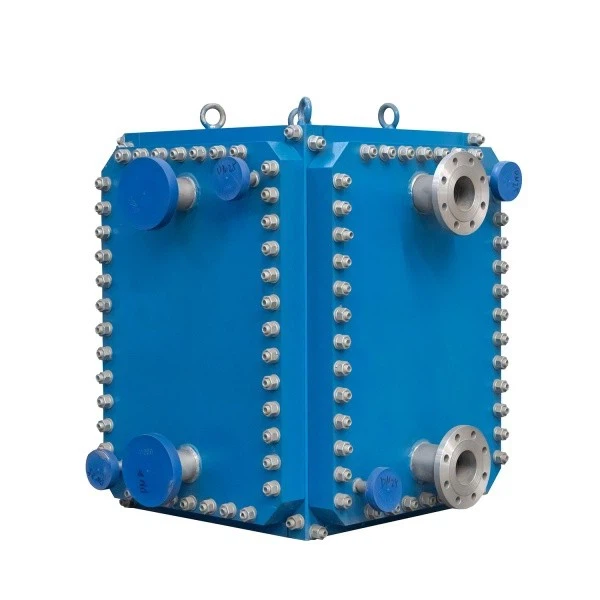
Before we start talking about safety valves, it's important to understand the different types of pressure vessels. We deal with a variety of them, like the Reactor, Shell and tube heat exchanger, and Fin-tube Air Cooled Heat Exchanger. Each type has its own unique operating conditions and requirements.


For example, a reactor is often used in chemical processes where high pressures and temperatures are involved. It might be dealing with corrosive substances or reactions that generate a lot of heat. On the other hand, a shell and tube heat exchanger is mainly used for transferring heat between two fluids. It operates at different pressure and temperature ranges depending on the fluids involved. And a fin-tube air cooled heat exchanger is used when air is the cooling medium, and it has its own set of pressure and temperature characteristics.
Key Factors in Selecting a Safety Valve
1. Pressure Rating
The first thing you need to consider is the pressure rating of the safety valve. This should match the maximum allowable working pressure (MAWP) of the pressure vessel. The MAWP is the highest pressure that the vessel can safely operate at under normal conditions. You don't want a safety valve that opens too early or too late. If it opens too early, it can cause unnecessary releases and disrupt the normal operation of the vessel. If it opens too late, it can lead to over - pressurization and potentially dangerous situations.
For instance, if your pressure vessel has a MAWP of 100 psi, you need to select a safety valve with a pressure setting close to this value. But it's not just about the set pressure. You also need to consider the blowdown pressure, which is the difference between the set pressure and the pressure at which the valve reseats. A proper blowdown ensures that the valve closes properly after relieving the excess pressure.
2. Flow Capacity
The flow capacity of the safety valve is another critical factor. It needs to be able to handle the maximum flow rate of the fluid that might be released during an over - pressurization event. This depends on the size of the pressure vessel, the type of fluid inside (whether it's a gas, liquid, or a two - phase mixture), and the potential sources of over - pressurization.
If the safety valve has a low flow capacity, it won't be able to relieve the excess pressure quickly enough, which can lead to a build - up of pressure in the vessel. On the other hand, if the flow capacity is too high, it can cause the valve to open more frequently than necessary, leading to wear and tear and potential leaks.
To calculate the required flow capacity, you need to consider factors like the heat input rate (if the over - pressurization is due to heating), the rate of gas generation (in chemical reactions), and the size of the inlet and outlet pipes of the pressure vessel.
3. Fluid Characteristics
The type of fluid inside the pressure vessel plays a big role in safety valve selection. Different fluids have different properties, such as viscosity, corrosiveness, and flammability.
If the fluid is corrosive, you need to choose a safety valve made of materials that can resist corrosion. For example, stainless steel is a common choice for handling corrosive liquids. If the fluid is flammable, the safety valve needs to be designed to prevent any potential ignition sources. And if the fluid is viscous, the valve design needs to ensure that it can open and close properly without being affected by the high viscosity.
4. Temperature
Temperature is also an important consideration. High temperatures can affect the performance of the safety valve. The materials used in the valve need to be able to withstand the operating temperature of the pressure vessel. For example, at very high temperatures, some materials may lose their strength or become more prone to corrosion.
In addition, temperature changes can cause the fluid inside the vessel to expand or contract, which can affect the pressure. So, the safety valve needs to be able to handle these temperature - related pressure changes.
Types of Safety Valves
1. Spring - Loaded Safety Valves
Spring - loaded safety valves are the most common type. They work by using a spring to hold the valve closed. When the pressure inside the vessel exceeds the set pressure, the force of the pressure overcomes the force of the spring, and the valve opens.
These valves are relatively simple and cost - effective. They are suitable for a wide range of applications, but they may have some limitations. For example, they can be affected by backpressure, which is the pressure in the discharge line. If the backpressure is too high, it can reduce the effectiveness of the valve.
2. Pilot - Operated Safety Valves
Pilot - operated safety valves are more complex but offer some advantages. They use a pilot valve to control the opening and closing of the main valve. The pilot valve senses the pressure in the vessel and sends a signal to the main valve to open or close.
These valves are more accurate and can handle higher pressures and flow rates. They are also less affected by backpressure compared to spring - loaded valves. However, they are more expensive and require more maintenance.
Installation and Maintenance
Once you've selected the right safety valve, proper installation and maintenance are essential. The safety valve should be installed in a location where it can easily sense the pressure in the vessel. It should also be installed in a way that allows for easy access for inspection and maintenance.
Regular maintenance is crucial to ensure that the safety valve is working properly. This includes checking the valve for leaks, testing the set pressure, and inspecting the valve components for wear and tear. Any damaged or worn parts should be replaced immediately.
Making the Right Choice
Selecting a safety valve for a pressure vessel is a complex process that requires careful consideration of many factors. As a pressure vessel supplier, we're here to help you make the right choice. We have a team of experts who can analyze your specific requirements and recommend the best safety valve for your pressure vessel.
If you're in the market for a pressure vessel and need help with safety valve selection, don't hesitate to reach out. We're committed to providing high - quality products and excellent customer service. Whether you're dealing with a Reactor, Shell and tube heat exchanger, or Fin-tube Air Cooled Heat Exchanger, we've got you covered. Let's work together to ensure the safety and efficiency of your operations.
References
- Pressure Vessel Handbook by Robert J. Young.
- ASME Boiler and Pressure Vessel Code.
- API 520 and API 521 Standards for Pressure - Relieving Devices.