When dealing with pressure vessels, one of the most critical components to consider is the vent valve. As a pressure vessel supplier, I understand the importance of selecting the right vent valve to ensure the safety, efficiency, and proper functioning of the entire system. In this blog post, I will share some key factors and guidelines on how to select a vent valve for a pressure vessel.
Understanding the Function of Vent Valves in Pressure Vessels
Before delving into the selection process, it's essential to understand the role of vent valves in pressure vessels. Vent valves are designed to release excess pressure, gases, or vapors from the vessel to prevent over - pressurization, which can lead to catastrophic failures. They also play a crucial role in maintaining the correct pressure and temperature within the vessel, as well as in purging the vessel of unwanted substances during startup, shutdown, or normal operation.
Factors to Consider When Selecting a Vent Valve
1. Pressure Rating
The pressure rating of the vent valve must be compatible with the maximum operating pressure of the pressure vessel. It is crucial to select a valve that can handle the highest pressure that the vessel may experience during normal operation or in case of an emergency. For example, if the pressure vessel operates at a maximum pressure of 100 psi, the vent valve should have a pressure rating of at least 100 psi or higher to ensure reliable performance.
2. Flow Capacity
The flow capacity of the vent valve is another important factor. It should be sufficient to release the required volume of gas or vapor within a specific time frame. This is determined by the size of the valve opening and the valve's design. To calculate the required flow capacity, you need to consider factors such as the volume of the pressure vessel, the rate of gas or vapor generation, and the maximum allowable pressure rise in the vessel.


3. Temperature Range
The vent valve must be able to withstand the temperature range of the fluid or gas inside the pressure vessel. Different materials have different temperature limits, so it's important to choose a valve made from materials that can operate safely within the expected temperature range. For instance, if the vessel contains a high - temperature fluid, a valve made from heat - resistant materials like stainless steel or Inconel may be required.
4. Chemical Compatibility
The fluid or gas inside the pressure vessel may be corrosive or reactive. The vent valve must be made from materials that are chemically compatible with the contents of the vessel to prevent corrosion, erosion, or other forms of damage. For example, if the vessel contains a highly acidic fluid, a valve made from acid - resistant materials such as Hastelloy or Teflon - lined materials should be selected.
5. Type of Vent Valve
There are several types of vent valves available, each with its own advantages and disadvantages.
- Spring - Loaded Vent Valves: These are the most common type of vent valves. They operate based on a spring mechanism that opens the valve when the pressure inside the vessel exceeds a set value. Spring - loaded vent valves are relatively simple, reliable, and cost - effective. However, they may have some limitations in terms of accuracy and response time.
- Pilot - Operated Vent Valves: These valves use a pilot system to control the opening and closing of the main valve. They offer higher accuracy and faster response times compared to spring - loaded valves. Pilot - operated vent valves are suitable for applications where precise pressure control is required.
- Weight - Loaded Vent Valves: These valves use a weight to keep the valve closed. When the pressure inside the vessel exceeds the force exerted by the weight, the valve opens. Weight - loaded vent valves are often used in applications where a large flow capacity is required.
6. Safety Standards and Regulations
Compliance with safety standards and regulations is non - negotiable when selecting a vent valve for a pressure vessel. The valve should meet relevant industry standards such as ASME (American Society of Mechanical Engineers) codes, API (American Petroleum Institute) standards, and local safety regulations. These standards ensure that the valve is designed, manufactured, and tested to provide reliable and safe operation.
Application - Specific Considerations
Oil and Gas Industry
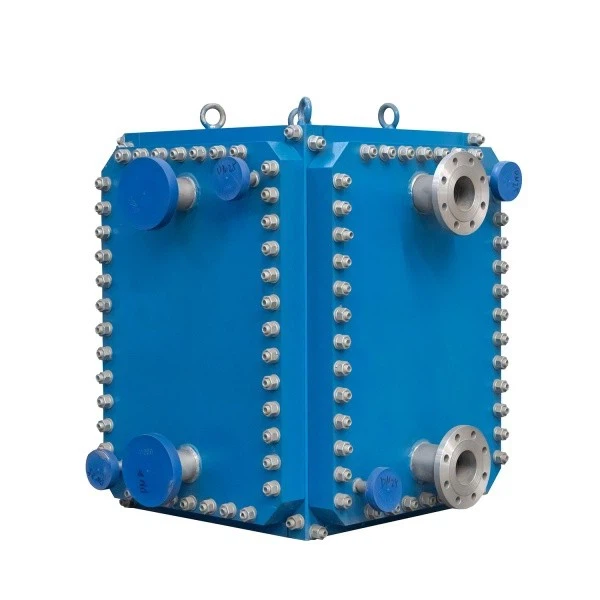
In the oil and gas industry, pressure vessels are used in various processes such as refining, storage, and transportation. When selecting a vent valve for a pressure vessel in this industry, factors such as high pressures, flammable gases, and harsh environmental conditions need to be considered. For more information on related equipment in the oil and gas industry, you can visit Block Heat Exchanger in Oil And Gas Industry.
Waste Heat Recovery
In waste heat recovery systems, pressure vessels are used to capture and utilize waste heat. Vent valves in these systems need to be able to handle high - temperature gases and ensure efficient heat transfer. A Gas To Gas Air Preheater For Waste Heat Recovery is often an important component in such systems, and the vent valve selection should be coordinated with the overall system design.
ASME - Compliant Systems
For systems that require compliance with ASME codes, the vent valve must be an ASME Code Heat Exchanger or meet the relevant ASME standards. This ensures that the entire pressure vessel system is safe and reliable.
Selecting the Right Manufacturer
Choosing a reputable manufacturer is also crucial when selecting a vent valve. A reliable manufacturer will have a proven track record of producing high - quality valves that meet industry standards. They should also offer technical support, after - sales service, and warranty. Look for manufacturers that have experience in your specific industry and can provide customized solutions based on your requirements.
Conclusion
Selecting the right vent valve for a pressure vessel is a complex process that requires careful consideration of multiple factors. As a pressure vessel supplier, I am committed to helping my customers make the best choices for their specific applications. By taking into account factors such as pressure rating, flow capacity, temperature range, chemical compatibility, valve type, and safety standards, you can ensure the safe and efficient operation of your pressure vessel.
If you are in the process of selecting a vent valve for your pressure vessel or have any questions about pressure vessel components, I encourage you to reach out to me. I have the expertise and resources to assist you in making the right decision and can provide you with high - quality vent valves and pressure vessels that meet your needs. Let's start a conversation today to discuss your requirements and find the best solutions for your project.
References
- ASME Boiler and Pressure Vessel Code
- API Standards for Pressure Vessels
- Manufacturer's Technical Documentation for Vent Valves