When it comes to piping systems, one crucial yet often overlooked aspect is the selection of appropriate pipe clamps. Pipe clamps play a vital role in securing pipes, preventing movement, and ensuring the overall stability of the system. A key factor that significantly influences the choice of pipe clamps is the pipe's vibration level. As a pipe clamps supplier, I understand the importance of making the right selection to meet the specific needs of different piping applications. In this blog, I'll share some insights on how to select pipe clamps based on the pipe's vibration level.
Understanding Pipe Vibration
Before delving into the selection process, it's essential to understand what causes pipe vibration. Vibration in pipes can stem from various sources, including fluid flow, machinery operation, and external forces. For instance, high - velocity fluid flowing through a pipe can create turbulence, leading to vibration. Similarly, pumps, compressors, and other rotating equipment connected to the piping system can transmit vibrations to the pipes.
The level of vibration can be classified into three main categories: low, medium, and high. Low - level vibration typically occurs in systems with slow - moving fluids or minimal external interference. Medium - level vibration is more common in industrial settings where there is moderate fluid flow and some mechanical equipment operation. High - level vibration is often associated with high - speed fluid flow, heavy - duty machinery, or seismic activity.
Impact of Vibration on Pipe Clamps
Pipe vibration can have several detrimental effects on pipe clamps. Excessive vibration can cause loosening of the clamps over time, leading to pipe movement and potential damage to the piping system. It can also result in fatigue failure of the clamp material, reducing its lifespan and compromising the safety of the entire system. Therefore, selecting the right pipe clamps that can withstand the specific vibration level is crucial to prevent these issues.
Selecting Pipe Clamps for Low - Vibration Pipes
For pipes with low - level vibration, the primary function of the pipe clamps is to provide basic support and prevent minor movement. In such cases, simple and cost - effective clamp designs can be sufficient.
- Band Clamps: Band clamps are one of the most commonly used types for low - vibration applications. They consist of a metal band that wraps around the pipe and is tightened with a bolt. Band clamps are easy to install and can be adjusted to fit different pipe diameters. They provide a secure grip on the pipe and are suitable for pipes that are not subject to significant movement.
- Single - Bolt Clamps: Single - bolt clamps are another option for low - vibration pipes. These clamps have a single bolt that tightens the clamp around the pipe. They are lightweight and relatively inexpensive, making them a popular choice for small - diameter pipes in low - stress applications.
Selecting Pipe Clamps for Medium - Vibration Pipes
Pipes with medium - level vibration require more robust pipe clamps to ensure long - term stability.
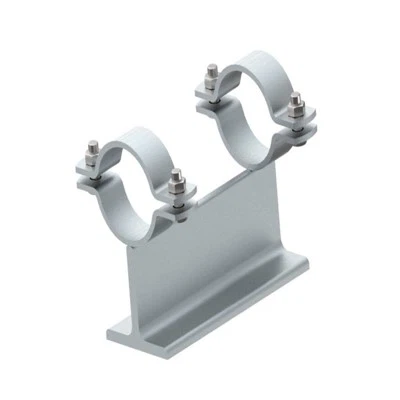
- Double - Bolt Clamps: Double - bolt clamps offer increased holding power compared to single - bolt clamps. They have two bolts that provide a more secure grip on the pipe, making them suitable for pipes with moderate vibration. Double - bolt clamps are available in various materials, such as steel and stainless steel, to meet different environmental and corrosion - resistance requirements.
- Pipe Reinforcement Circle: For medium - vibration pipes, adding a pipe reinforcement circle can enhance the performance of the pipe clamps. A pipe reinforcement circle is a ring - shaped component that is placed around the pipe at the clamp location. It helps to distribute the load evenly and reduces the stress on the pipe and the clamp, improving the overall stability of the system.
Selecting Pipe Clamps for High - Vibration Pipes
High - vibration pipes demand the most advanced and durable pipe clamps to ensure the safety and integrity of the piping system.
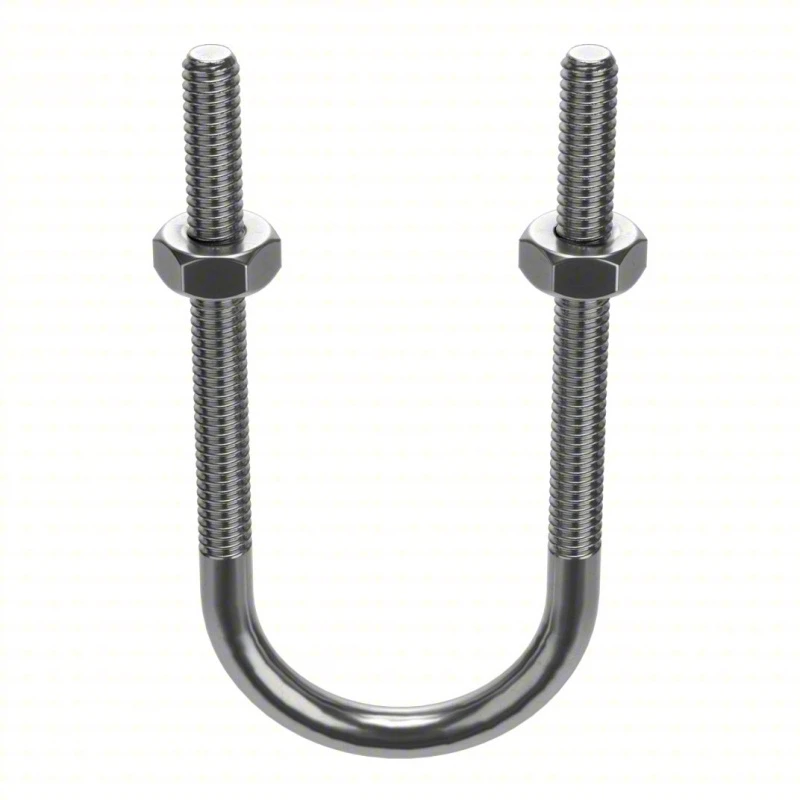
- U - Type Bolt: U - type bolts are commonly used for high - vibration applications. They have a U - shaped design that wraps around the pipe and is secured with nuts on both ends. U - type bolts provide a strong and reliable hold on the pipe, even under extreme vibration conditions. They are often used in heavy - duty industrial applications, such as oil and gas pipelines and power plants.
- Rigid Pull Rods: Rigid pull rods can be used in conjunction with pipe clamps for high - vibration pipes. These rods are installed between the pipe and a fixed structure to provide additional support and prevent excessive movement. Rigid pull rods are made of high - strength materials and can withstand significant forces, making them ideal for pipes subject to high - level vibration.
Other Considerations in Pipe Clamp Selection
In addition to the vibration level, there are other factors to consider when selecting pipe clamps.

- Pipe Material and Diameter: The material and diameter of the pipe will determine the type and size of the pipe clamps required. For example, pipes made of brittle materials may require clamps with a softer lining to prevent damage.
- Environmental Conditions: The environmental conditions, such as temperature, humidity, and chemical exposure, can affect the performance and lifespan of the pipe clamps. In corrosive environments, stainless steel or coated clamps may be necessary to prevent rust and degradation.
- Installation Requirements: The ease of installation is also an important consideration. Some pipe clamps may require special tools or skills for installation, while others can be easily installed with basic hand tools.
Conclusion
Selecting the right pipe clamps based on the pipe's vibration level is crucial for the safe and efficient operation of piping systems. As a pipe clamps supplier, I am committed to providing high - quality products that meet the specific needs of different applications. Whether you have low - vibration, medium - vibration, or high - vibration pipes, I can offer a wide range of pipe clamps and related accessories to ensure the stability and longevity of your piping system.
If you are in the process of selecting pipe clamps for your project or need more information about our products, please feel free to contact me for a detailed discussion. I am always ready to assist you in making the best choice for your piping needs.
References
- "Pipe Hanger and Support Handbook" by the Pipe Hangers Institute
- "Mechanical Design of Piping Systems" by George A. Antaki
- Industry standards and guidelines related to pipe clamps and piping systems