Hey there! As a supplier of Pipe Saddle Supports, I've seen firsthand how crucial it is to transport these items safely. Pipe saddle supports are essential components in various industries, from oil and gas to construction, as they help secure pipes and prevent damage. In this blog post, I'll share some tips on how to transport pipe saddle supports safely, so you can ensure your products arrive at their destination in top condition.
Understanding the Basics of Pipe Saddle Supports
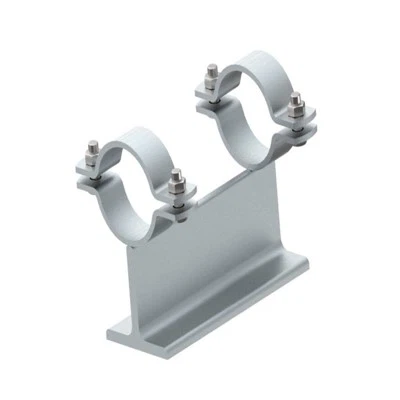
Before we dive into the transportation process, let's quickly go over what pipe saddle supports are. Pipe saddle supports are designed to cradle pipes and distribute their weight evenly, reducing stress and preventing sagging. They come in different shapes and sizes to accommodate various pipe diameters and applications. Some common types of pipe saddle supports include T-Type Pipe Supports with Clamp and T-Type Pipe Support with Wear Pad. You can find more information about Pipe Saddle Support on our website.
Preparing the Pipe Saddle Supports for Transport
The first step in transporting pipe saddle supports safely is to prepare them properly. Here are some key steps to follow:
Cleaning and Inspection
Before packing, make sure to clean the pipe saddle supports thoroughly to remove any dirt, debris, or rust. This not only helps to prevent corrosion during transport but also allows you to inspect the supports for any damage or defects. If you find any issues, address them before packing to ensure the supports are in good working condition.
Protecting the Surface
To prevent scratches and damage to the surface of the pipe saddle supports, consider using protective coatings or wraps. This can include applying a layer of paint or using plastic or rubber covers. Additionally, make sure to separate individual supports with padding or dividers to prevent them from rubbing against each other during transport.
Securing the Components
If your pipe saddle supports have any loose components, such as bolts or nuts, make sure to secure them properly. This can be done by tightening them or using thread-locking compounds to prevent them from coming loose during transit.
Choosing the Right Packaging
Once the pipe saddle supports are prepared, it's time to choose the right packaging. The packaging you choose should provide adequate protection and support for the supports during transport. Here are some factors to consider when selecting packaging:
Size and Shape
The packaging should be the appropriate size and shape to fit the pipe saddle supports snugly. This helps to prevent movement and damage during transport. If the packaging is too large, the supports may shift around and become damaged. If it's too small, the supports may not fit properly, which can also lead to damage.
Material
The packaging material should be strong and durable enough to withstand the rigors of transport. Common packaging materials for pipe saddle supports include cardboard boxes, wooden crates, and plastic containers. Cardboard boxes are a cost-effective option, but they may not provide as much protection as wooden crates or plastic containers. Wooden crates are more durable and provide better protection, but they are also heavier and more expensive. Plastic containers are lightweight, durable, and provide good protection, but they can be more expensive than cardboard boxes.
Padding
To provide additional protection, consider adding padding to the packaging. This can include foam inserts, bubble wrap, or packing peanuts. Padding helps to absorb shock and prevent damage to the pipe saddle supports during transport.


Loading and Unloading the Pipe Saddle Supports
Once the pipe saddle supports are packed, it's time to load them onto the transport vehicle. Here are some tips to ensure safe loading and unloading:
Use the Right Equipment
Make sure to use the appropriate equipment for loading and unloading the pipe saddle supports. This can include forklifts, cranes, or pallet jacks. Using the right equipment helps to prevent damage to the supports and ensures the safety of the workers.
Secure the Load
Once the pipe saddle supports are loaded onto the transport vehicle, make sure to secure them properly. This can be done by using straps, ropes, or chains to prevent the supports from shifting or falling during transport. Additionally, make sure to distribute the weight evenly to prevent the vehicle from becoming unbalanced.
Follow Safety Procedures
When loading and unloading the pipe saddle supports, make sure to follow all safety procedures. This includes wearing appropriate safety gear, such as hard hats, safety glasses, and gloves. Additionally, make sure to use proper lifting techniques to prevent injury.
Transporting the Pipe Saddle Supports
During transport, it's important to take steps to ensure the safety of the pipe saddle supports. Here are some tips to consider:
Choose the Right Transport Method
The transport method you choose should be appropriate for the size and weight of the pipe saddle supports. This can include shipping by truck, train, or ship. If you're shipping internationally, you may also need to consider customs regulations and documentation.
Monitor the Temperature and Humidity
Some pipe saddle supports may be sensitive to temperature and humidity. To prevent damage, make sure to monitor the temperature and humidity levels during transport. If necessary, use climate-controlled transport vehicles or storage facilities.
Track the Shipment
To ensure the timely delivery of the pipe saddle supports, make sure to track the shipment. This can be done using a tracking number provided by the shipping carrier. Tracking the shipment allows you to monitor its progress and address any issues that may arise.
Unpacking and Inspecting the Pipe Saddle Supports
Once the pipe saddle supports arrive at their destination, it's important to unpack and inspect them carefully. Here are some steps to follow:
Check for Damage
When unpacking the pipe saddle supports, check for any damage or defects. If you find any issues, document them and contact the shipping carrier immediately. This can help you to file a claim for damages if necessary.
Inspect the Components
In addition to checking for damage, make sure to inspect the components of the pipe saddle supports. This includes checking the bolts, nuts, and other fasteners to make sure they are tight and secure. If you find any loose or damaged components, replace them before installing the supports.
Store the Supports Properly
If you're not going to install the pipe saddle supports immediately, make sure to store them properly. This can include storing them in a dry, clean, and secure location. Additionally, make sure to protect the supports from damage by covering them with a tarp or other protective material.
Conclusion
Transporting pipe saddle supports safely is essential to ensure their quality and performance. By following the tips outlined in this blog post, you can minimize the risk of damage and ensure that your products arrive at their destination in top condition. If you have any questions or need further assistance with transporting pipe saddle supports, please don't hesitate to contact us. We're here to help you with all of your pipe support needs.
References
- Industry standards and best practices for pipe support transportation
- Manufacturer's guidelines for pipe saddle support packaging and handling