Transporting constant spring brackets safely is a critical aspect of our operations as a constant spring bracket supplier. These brackets are essential components in various industrial applications, and ensuring their safe transportation is crucial to maintain their quality and functionality. In this blog, we will explore the key steps and considerations for safely transporting constant spring brackets.
Understanding the Characteristics of Constant Spring Brackets
Before delving into the transportation process, it's important to understand the unique characteristics of constant spring brackets. These brackets are designed to provide a constant supporting force over a specified range of motion, which makes them ideal for applications where maintaining a consistent load is essential. They are typically made of high - quality materials such as steel, which gives them strength but also makes them relatively heavy.
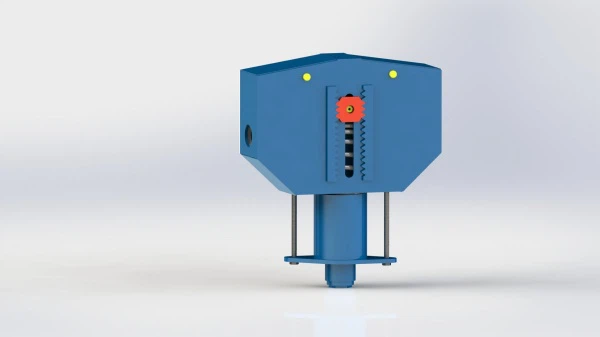
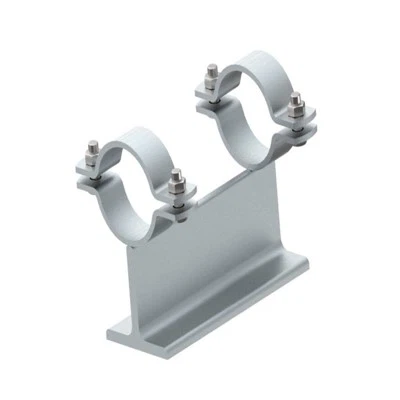
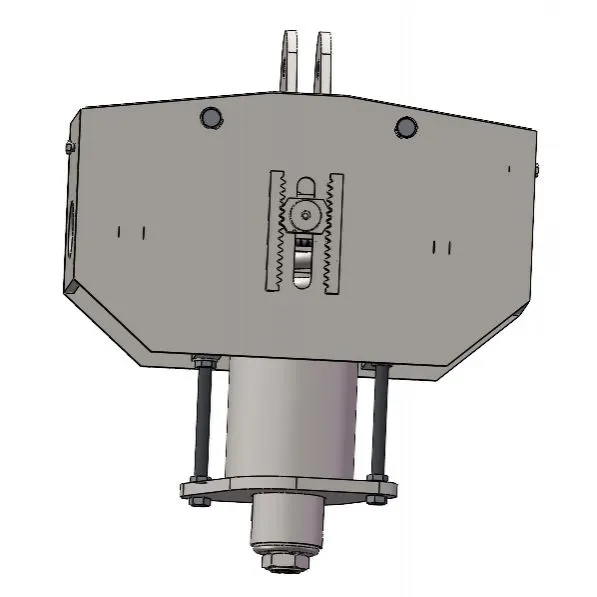
Constant spring brackets come in different types, such as Leg - Mounted Constant Force Spring Hanger, Constant Spring Support, and Double Lug High Precision Spring Hanger. Each type has its own design and dimensions, which need to be taken into account during transportation.
Pre - Transport Preparation
Inspection
The first step in safe transportation is a thorough inspection of the constant spring brackets. Check for any visible damage, such as cracks, dents, or deformities in the springs or the mounting components. Any damaged brackets should be repaired or replaced before shipping to avoid further issues during transit.
Cleaning
Clean the constant spring brackets to remove any dirt, debris, or contaminants. This not only improves the appearance of the brackets but also helps prevent corrosion during transportation. Use appropriate cleaning agents and methods based on the material of the brackets. For steel brackets, a mild detergent and water solution can be used, followed by a dry - off with a clean cloth.
Packaging
Proper packaging is crucial for protecting constant spring brackets during transportation. The packaging should be able to withstand the rigors of handling and shipping.
- Individual Wrapping: Wrap each constant spring bracket individually with a protective material such as bubble wrap or foam. This helps cushion the brackets and prevent scratches and minor impacts.
- Boxing: Place the wrapped brackets in sturdy cardboard boxes or wooden crates. The boxes or crates should be sized appropriately to fit the brackets snugly, with minimal movement inside. Use additional padding materials like packing peanuts or foam inserts to fill any empty spaces and provide extra protection.
- Labeling: Clearly label the boxes or crates with information such as the type of constant spring brackets, quantity, handling instructions (e.g., "Fragile", "This Side Up"), and destination details.
Choosing the Right Transportation Method
The choice of transportation method depends on several factors, including the distance of the shipment, the quantity of constant spring brackets, and the urgency of delivery.

Road Transportation
- Trucks: For local or regional shipments, trucks are a common choice. They offer flexibility in terms of pick - up and delivery locations. When using trucks, ensure that the vehicle is in good condition and has a secure cargo area. The brackets should be loaded in a way that they are stable and won't shift during transit. Use straps or ropes to secure the boxes or crates to the truck bed.
- Trailers: For larger quantities of constant spring brackets, trailers can be used. Similar to trucks, proper loading and securing techniques are essential. Make sure the trailer is well - maintained and has appropriate suspension to minimize vibrations.
Rail Transportation
- Railcars: Rail transportation is suitable for long - distance shipments. Railcars can carry a large volume of constant spring brackets. However, the loading and unloading process needs to be carefully managed. Use forklifts or other appropriate equipment to load the boxes or crates onto the railcars. Secure the cargo to prevent movement during the journey.
Air Transportation
- Airfreight: If the delivery is urgent or the destination is far away, air transportation can be considered. However, airfreight is more expensive and has certain restrictions on weight and size. Ensure that the packaging meets the airline's requirements. The brackets should be packed in lightweight but sturdy containers to reduce the overall weight of the shipment.
Handling During Transportation
Loading and Unloading
- Proper Equipment: Use appropriate handling equipment such as forklifts, pallet jacks, or cranes during loading and unloading. Operators should be trained and experienced in handling heavy and potentially fragile items like constant spring brackets.
- Careful Maneuvering: When moving the brackets, be careful not to drop or bump them. Avoid sudden movements that could cause damage to the springs or other components.
- Sequence: Follow a proper loading and unloading sequence. For example, load the heavier and larger boxes first to create a stable base, and then stack the lighter ones on top. During unloading, start from the top to avoid toppling the stack.
In - Transit Protection
- Vibration and Shock Absorption: During transportation, the constant spring brackets are exposed to vibrations and shocks. To minimize the impact, use shock - absorbing materials in the packaging. Additionally, some transportation vehicles can be equipped with shock - absorbing systems to reduce the effects of road bumps or rail vibrations.
- Temperature and Humidity Control: Extreme temperatures and high humidity can affect the performance and integrity of constant spring brackets. If possible, choose a transportation method that provides some level of temperature and humidity control. For example, some trucks and containers are equipped with climate - control systems.
Monitoring the Shipment
- Tracking: Use a tracking system to monitor the progress of the shipment. This allows you to keep an eye on the location of the constant spring brackets and estimate the delivery time. Most transportation companies offer tracking services, which can be accessed online.
- Communication: Maintain regular communication with the transportation provider. If there are any issues or delays during transit, you can be informed promptly and take appropriate actions.
Post - Transport Inspection
Once the constant spring brackets arrive at their destination, conduct another inspection. Check for any signs of damage that may have occurred during transportation. If any damage is found, document it thoroughly and contact the transportation provider and the customer as soon as possible.
Conclusion
Transporting constant spring brackets safely requires careful planning, proper packaging, the right choice of transportation method, and diligent handling. By following the steps and considerations outlined in this blog, we can ensure that our constant spring brackets reach our customers in good condition, maintaining their quality and functionality.
If you are in need of high - quality constant spring brackets or have any questions about our products, we invite you to contact us for procurement discussions. We are committed to providing you with the best products and services.
References
- Industrial Packaging Standards Handbook
- Transportation Safety Guidelines for Heavy Equipment