


Hey there! As a Pipeline Filter supplier, I've seen firsthand how important data versioning is in today's data - driven world. In this blog, I'm gonna share with you how to use the Pipeline Filter pattern for data versioning.
What is the Pipeline Filter pattern?
Before we dive into data versioning, let's quickly talk about what the Pipeline Filter pattern is. It's a design pattern where data flows through a series of filters, kind of like an assembly line. Each filter performs a specific transformation on the data. Think of it as a chain of operations, where the output of one filter becomes the input of the next.
For example, let's say you're dealing with customer data. The first filter might clean up the data by removing any special characters from names. The second filter could validate the email addresses, and the third might format the phone numbers. This way, you can break down complex data processing tasks into smaller, more manageable steps.
Why is data versioning important?
Data versioning is crucial for a bunch of reasons. First off, it allows you to track changes over time. If you make a mistake in your data processing or analysis, you can always go back to a previous version. It also helps with collaboration. Different team members can work on different versions of the data simultaneously, and then merge them together later.
Another big advantage is compliance. In many industries, there are strict regulations about data retention and auditing. Data versioning makes it easier to meet these requirements by providing a clear history of all data changes.
Using the Pipeline Filter pattern for data versioning
Step 1: Define your filters
The first step is to figure out what filters you need for your data versioning process. These filters should be designed to capture different aspects of data changes. For example, you might have a filter that records when a new data entry is added, another for when an existing entry is modified, and yet another for when an entry is deleted.
Let's say you're working with a database of product information. One filter could be responsible for logging the addition of new products. This filter would capture details like the product name, price, and the date it was added. Another filter could focus on changes to product prices. Every time a price is updated, this filter would record the old price, the new price, and the date of the change.
Step 2: Set up the pipeline
Once you've defined your filters, it's time to set up the pipeline. The order of the filters in the pipeline matters. You want to arrange them in a way that makes sense for your data processing flow.
For instance, if you have a filter that validates data before processing and another that logs changes, the validation filter should come first. This ensures that only valid data goes through the logging process.
You can use programming languages like Python to implement the pipeline. Here's a simple example:
class Filter:
    def process(self, data):
        pass


class ValidateFilter(Filter):
    def process(self, data):
        # Validation logic here
        return data


class LogFilter(Filter):
    def process(self, data):
        # Logging logic here
        return data


class Pipeline:
    def __init__(self):
        self.filters = []

    def add_filter(self, filter):
        self.filters.append(filter)

    def process_data(self, data):
        for filter in self.filters:
            data = filter.process(data)
        return data


pipeline = Pipeline()
pipeline.add_filter(ValidateFilter())
pipeline.add_filter(LogFilter())

data = {"name": "Product A", "price": 100}
processed_data = pipeline.process_data(data)
Step 3: Version control
Now that your pipeline is set up, you need to implement version control. This can be done by assigning a unique version number to each set of data that goes through the pipeline.
You can use a simple incrementing number system. Every time a new version of the data is created, the version number is increased by one. You can also include additional information in the version number, such as the date and time of the change.
For example, you could have a version number like "v20240101_001", where "20240101" represents the date (January 1, 2024) and "001" is the sequential number for that day.
Step 4: Tracking and auditing
With version control in place, you can now track and audit your data changes. You can use the information captured by your filters to generate reports and visualizations.
For example, you could create a report that shows all the price changes for a particular product over a given period. This report could include details like the old price, the new price, and the date of the change. You could also use visualizations like line charts to show how the price has changed over time.
Real - world applications
The Pipeline Filter pattern for data versioning has many real - world applications. In the manufacturing industry, it can be used to track changes in product specifications. For example, if a company decides to change the material used in a product, the pipeline can record this change and all subsequent modifications.
In the financial sector, it can be used to track changes in account balances, interest rates, and transaction histories. This helps with fraud detection and compliance reporting.
Related products
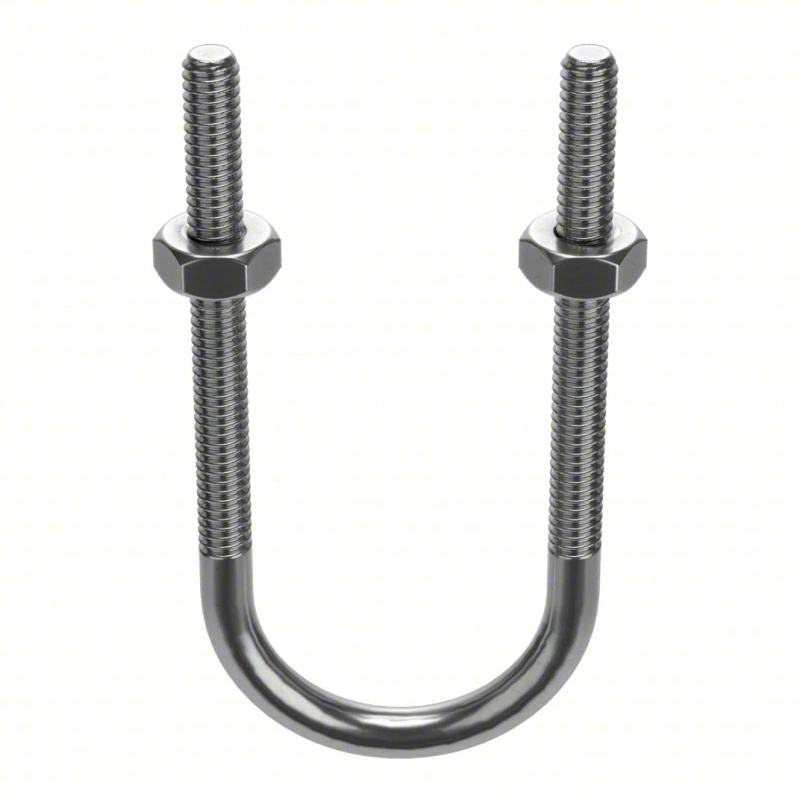
If you're in the market for some pipeline - related accessories, check out these links: Rigid Pull Rods, U - Type Bolt, and Pipe Lugs. These products can be very useful in setting up and maintaining your pipeline systems.

Conclusion
Using the Pipeline Filter pattern for data versioning is a powerful way to manage and track changes in your data. By breaking down the data processing into smaller, manageable steps and implementing version control, you can ensure the integrity and traceability of your data.
If you're interested in learning more about how our Pipeline Filter solutions can help with your data versioning needs, or if you're looking to purchase our products, feel free to reach out and start a procurement discussion. We're here to help you make the most of your data.
References
- Gamma, E., Helm, R., Johnson, R., & Vlissides, J. (1994). Design Patterns: Elements of Reusable Object - Oriented Software. Addison - Wesley.
- Fowler, M. (2003). Patterns of Enterprise Application Architecture. Addison - Wesley.


