In the realm of industrial fluid management, the choice of equipment can significantly impact the efficiency, reliability, and safety of operations. Among the various tools available, pipeline filters stand out as a crucial component, offering a multitude of advantages that make them indispensable in a wide range of applications. As a leading supplier of pipeline filters, I have witnessed firsthand the transformative impact these devices can have on industrial processes. In this blog post, I will delve into the key advantages of using pipeline filters and explain why they are a wise investment for any business.
Enhanced Product Quality
One of the primary advantages of using pipeline filters is their ability to improve product quality by removing contaminants from the fluid stream. In industries such as food and beverage, pharmaceuticals, and electronics manufacturing, even the smallest particle of dirt, debris, or other impurities can have a significant impact on the quality and safety of the final product. Pipeline filters can effectively remove these contaminants, ensuring that the fluid meets the strict quality standards required by these industries.
For example, in the food and beverage industry, pipeline filters are used to remove particles such as dirt, sand, and bacteria from water, milk, and other liquids. This helps to prevent spoilage, improve taste, and ensure the safety of the final product. In the pharmaceutical industry, pipeline filters are used to remove contaminants from drugs and other medical products, ensuring their purity and effectiveness. In the electronics manufacturing industry, pipeline filters are used to remove particles from coolant fluids, preventing damage to sensitive electronic components and ensuring the reliability of the final product.
Increased Equipment Lifespan
Another significant advantage of using pipeline filters is their ability to extend the lifespan of equipment by preventing damage caused by contaminants. In industrial processes, fluids such as water, oil, and gas often contain particles of dirt, debris, and other impurities that can cause wear and tear on equipment components such as pumps, valves, and heat exchangers. Over time, this can lead to reduced efficiency, increased maintenance costs, and even premature equipment failure.
Pipeline filters can effectively remove these contaminants from the fluid stream, preventing them from reaching the equipment and causing damage. This helps to extend the lifespan of the equipment, reduce maintenance costs, and improve the reliability of the industrial process. For example, in a water treatment plant, pipeline filters are used to remove particles from the water before it enters the pumps and other equipment. This helps to prevent damage to the equipment and ensures its long-term reliability. In an oil refinery, pipeline filters are used to remove particles from the oil before it enters the heat exchangers and other equipment. This helps to prevent fouling of the equipment and ensures its efficient operation.
Improved Process Efficiency
In addition to improving product quality and increasing equipment lifespan, pipeline filters can also improve process efficiency by reducing downtime and increasing throughput. In industrial processes, the presence of contaminants in the fluid stream can cause blockages in pipes, valves, and other equipment, leading to reduced flow rates and increased pressure drop. This can result in decreased production rates, increased energy consumption, and even process shutdowns.
Pipeline filters can effectively remove these contaminants from the fluid stream, preventing blockages and ensuring smooth flow of the fluid through the system. This helps to maintain consistent flow rates, reduce pressure drop, and increase throughput, improving the overall efficiency of the industrial process. For example, in a chemical plant, pipeline filters are used to remove particles from the chemical solutions before they enter the reactors. This helps to prevent blockages in the reactors and ensures their efficient operation. In a power generation plant, pipeline filters are used to remove particles from the coolant water before it enters the turbines. This helps to prevent damage to the turbines and ensures their reliable operation.

Cost Savings
Using pipeline filters can also result in significant cost savings for businesses. By improving product quality, increasing equipment lifespan, and improving process efficiency, pipeline filters can help to reduce production costs, maintenance costs, and energy consumption. In addition, by preventing process shutdowns and reducing downtime, pipeline filters can help to increase productivity and revenue.
For example, in a manufacturing plant, the use of pipeline filters can help to reduce the number of defective products, resulting in lower production costs and higher customer satisfaction. In an oil and gas production facility, the use of pipeline filters can help to reduce the frequency of equipment maintenance and repair, resulting in lower maintenance costs and increased uptime. In a water treatment plant, the use of pipeline filters can help to reduce the energy consumption of the pumps and other equipment, resulting in lower energy costs and a more sustainable operation.
Versatility and Customization
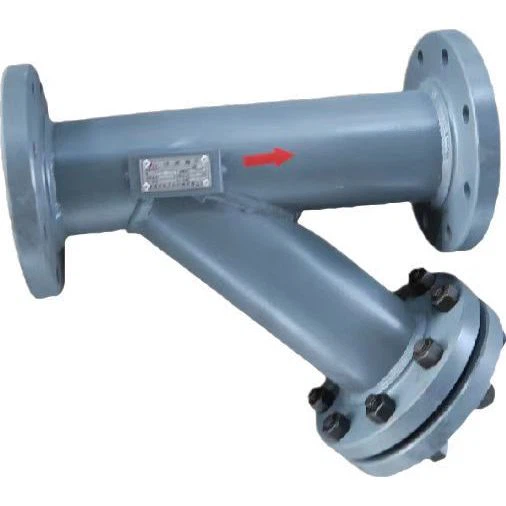
Pipeline filters are available in a wide range of sizes, shapes, and materials, making them suitable for a variety of applications. Whether you need to filter water, oil, gas, or other fluids, there is a pipeline filter available to meet your specific needs. In addition, pipeline filters can be customized to meet the unique requirements of your application, such as the type of contaminants to be removed, the flow rate, and the pressure drop.
For example, in a high-pressure gas pipeline, a pipeline filter with a high-pressure rating and a large surface area may be required to ensure efficient filtration. In a low-flow water treatment system, a pipeline filter with a small size and a low pressure drop may be sufficient. In addition, pipeline filters can be equipped with various types of filtration media, such as mesh screens, cartridge filters, and activated carbon filters, to remove different types of contaminants from the fluid stream.
Easy Installation and Maintenance
Pipeline filters are relatively easy to install and maintain, making them a convenient and cost-effective solution for industrial applications. Most pipeline filters can be installed directly into the pipeline system using standard pipe fittings, without the need for special tools or equipment. In addition, pipeline filters can be easily cleaned or replaced when they become clogged or worn out, ensuring their continued performance.
For example, in a food processing plant, a pipeline filter can be installed in the water supply line to remove particles from the water before it enters the processing equipment. The filter can be easily accessed and cleaned or replaced as needed, without disrupting the production process. In an oil and gas production facility, a pipeline filter can be installed in the pipeline to remove particles from the oil or gas before it enters the storage tank. The filter can be easily monitored and maintained to ensure its efficient operation.
Safety and Compliance
Using pipeline filters can also help to ensure the safety of industrial processes and comply with regulatory requirements. In many industries, the presence of contaminants in the fluid stream can pose a significant safety risk to workers and the environment. For example, in the chemical industry, the release of toxic chemicals into the environment can cause serious health problems and environmental damage. In the food and beverage industry, the presence of bacteria and other contaminants in the products can cause foodborne illnesses and other health problems.
Pipeline filters can effectively remove these contaminants from the fluid stream, preventing their release into the environment and ensuring the safety of workers and the public. In addition, many industries are subject to strict regulatory requirements regarding the quality and safety of their products and processes. Using pipeline filters can help businesses to comply with these requirements and avoid costly fines and penalties.
Conclusion
In conclusion, the advantages of using pipeline filters are numerous and significant. From improving product quality and increasing equipment lifespan to enhancing process efficiency and reducing costs, pipeline filters play a crucial role in the success of industrial operations. As a leading supplier of Pipeline Filter, I am committed to providing high-quality products and excellent customer service to help businesses achieve their goals. If you are interested in learning more about our pipeline filters or would like to discuss your specific needs, please do not hesitate to contact us. We look forward to working with you to find the best filtration solution for your application.
References
- "Industrial Filtration Handbook", Third Edition, by David W. Croll and Eric C. Chipera
- "Filtration and Separation Technology for the Process Industries", by Peter A. Schweitzer
- "Handbook of Separation Process Technology", by Ronald W. Rousseau