


As a supplier of Rigid Pull Rods, I've witnessed firsthand the critical role these components play in various industries. Rigid Pull Rods are essential for providing structural support, ensuring stability, and maintaining alignment in a wide range of applications. However, their performance and longevity can be significantly influenced by environmental factors. In this blog post, I'll explore the key environmental elements that affect Rigid Pull Rods and discuss strategies to mitigate their impact.
Temperature
Temperature is one of the most significant environmental factors that can affect Rigid Pull Rods. Extreme temperatures, whether hot or cold, can cause the material of the rods to expand or contract. This thermal expansion and contraction can lead to stress on the rods, potentially resulting in deformation, cracking, or even failure.
In high - temperature environments, such as industrial furnaces or areas near hot machinery, the metal in Rigid Pull Rods can soften. This softening reduces the rod's strength and stiffness, making it more susceptible to bending under load. For example, in a steel manufacturing plant, where temperatures can reach several hundred degrees Celsius, Rigid Pull Rods used in the support structures need to be made of high - temperature - resistant materials like stainless steel or alloy steels. These materials can maintain their mechanical properties at elevated temperatures, ensuring the stability of the overall structure.
On the other hand, in cold environments, metals become more brittle. Low temperatures can cause the Rigid Pull Rods to lose their ductility, increasing the risk of sudden fracture. In arctic regions or refrigerated warehouses, where temperatures can drop well below freezing, special precautions must be taken. Using materials with good low - temperature toughness, such as certain grades of carbon steel with appropriate alloying elements, can help prevent cold - related failures.
Humidity and Corrosion
Humidity is another crucial environmental factor. When the air is humid, moisture can condense on the surface of Rigid Pull Rods. This moisture, combined with oxygen in the air, can initiate corrosion processes, especially if the rods are made of metals like iron or carbon steel.

Corrosion can eat away at the material of the Rigid Pull Rods, reducing their cross - sectional area and thus their load - bearing capacity. In coastal areas, where the air contains salt particles, the corrosion rate can be even higher. Salt acts as an electrolyte, accelerating the electrochemical reactions that cause corrosion.
To combat corrosion, protective coatings are often applied to Rigid Pull Rods. Galvanizing, for example, involves coating the rods with a layer of zinc, which acts as a sacrificial anode. The zinc corrodes preferentially, protecting the underlying metal. Another option is the use of epoxy coatings, which provide a physical barrier between the rod and the corrosive environment. Regular inspections and maintenance, including cleaning and re - application of coatings if necessary, are also essential to ensure the long - term integrity of the rods.
Chemical Exposure
Rigid Pull Rods may be exposed to various chemicals in industrial settings. Chemicals such as acids, alkalis, and solvents can react with the metal of the rods, causing chemical corrosion or degradation.
In a chemical processing plant, for instance, Rigid Pull Rods used in the support structures of chemical tanks or pipelines may come into contact with corrosive chemicals. The type of chemical and its concentration determine the severity of the damage. Strong acids can dissolve the metal rapidly, while some chemicals may cause stress corrosion cracking, which is a more insidious form of damage.
When selecting Rigid Pull Rods for chemical - exposed environments, it's crucial to choose materials that are resistant to the specific chemicals involved. For example, titanium is highly resistant to many corrosive chemicals and is often used in harsh chemical environments. Additionally, proper ventilation and containment systems should be in place to minimize the exposure of the rods to chemicals.
UV Radiation
Although often overlooked, UV radiation can also have an impact on Rigid Pull Rods, especially those with non - metallic components or coatings. UV rays can break down the chemical bonds in polymers and some organic coatings, causing them to become brittle and lose their protective properties.
For Rigid Pull Rods with plastic or rubber components, long - term exposure to sunlight can lead to cracking and degradation. Even in metal rods with painted coatings, UV radiation can cause the paint to fade, blister, and peel, exposing the underlying metal to other environmental factors such as humidity and corrosion.
To protect against UV radiation, special UV - resistant coatings can be applied. These coatings contain additives that absorb or reflect UV rays, preventing them from reaching the underlying material. Additionally, using materials that are inherently resistant to UV radiation, such as certain types of high - performance polymers, can be a viable option for components that are likely to be exposed to sunlight.
Mechanical Vibration and Shock
In industrial environments, Rigid Pull Rods may be subjected to mechanical vibration and shock. These dynamic forces can cause fatigue in the rods over time. Vibration can lead to cyclic stress on the material, and if the stress exceeds the fatigue limit of the metal, cracks can initiate and propagate.
Shock loads, such as those caused by sudden impacts or equipment malfunctions, can also cause damage to the Rigid Pull Rods. A single large shock can cause immediate deformation or fracture, especially if the rod is already weakened by other environmental factors.
To reduce the impact of mechanical vibration and shock, proper mounting and damping systems should be in place. Flexible mounts can help absorb some of the vibration energy, while shock - absorbing materials can be used to protect the rods from sudden impacts. Regular inspections for signs of fatigue, such as cracks or deformation, are also essential to detect and address potential issues before they lead to failure.
Mitigation Strategies
To ensure the optimal performance and longevity of Rigid Pull Rods in the face of these environmental factors, a comprehensive approach is needed.
- Material Selection: Choose materials that are suitable for the specific environmental conditions. For high - temperature applications, use heat - resistant alloys; for corrosive environments, select corrosion - resistant materials.
- Protective Coatings: Apply appropriate coatings to protect the rods from corrosion, UV radiation, and other environmental hazards.
- Regular Inspections: Conduct routine inspections to detect early signs of damage, such as corrosion, cracks, or deformation. Early detection allows for timely repairs or replacements.
- Proper Installation: Ensure that the Rigid Pull Rods are installed correctly, with proper alignment and fastening. This helps to minimize stress concentrations and reduces the risk of damage.
- Environmental Control: Where possible, control the environmental conditions around the Rigid Pull Rods. This may include maintaining proper temperature and humidity levels, providing ventilation to reduce chemical exposure, and using shielding to protect against UV radiation.
If you are in need of high - quality Rigid Pull Rods that can withstand various environmental challenges, we are here to help. As a leading supplier of Rigid Pull Rods, we offer a wide range of products made from the finest materials and manufactured to the highest standards. Our team of experts can also provide valuable advice on material selection, installation, and maintenance to ensure that your Rigid Pull Rods perform optimally in your specific environment.
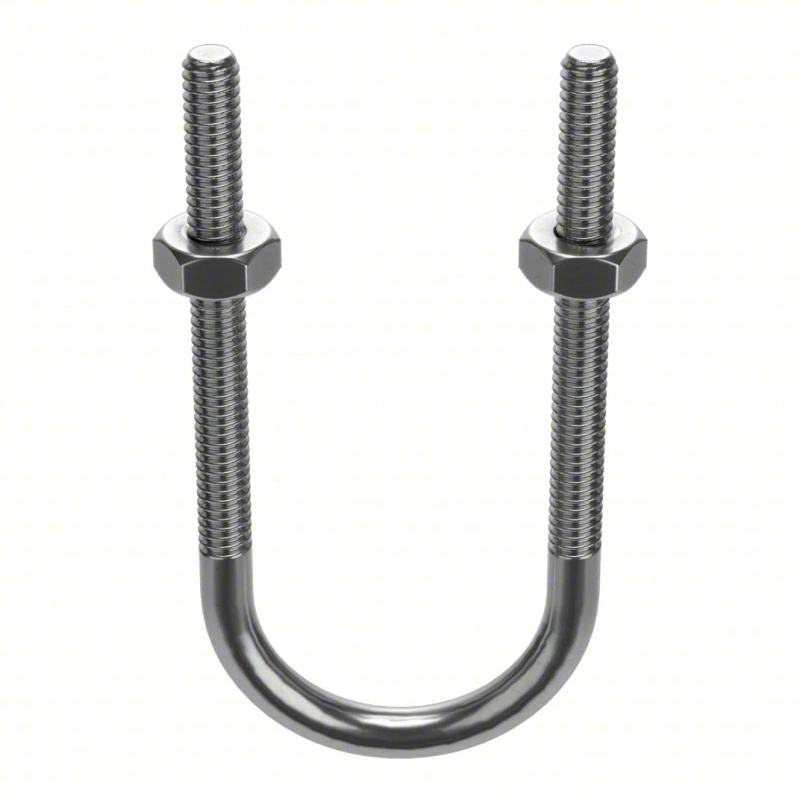
In addition to Rigid Pull Rods, we also supply other related products such as U-Type Bolt and Sight Glass, which can complement your structural and industrial needs.
If you have any questions or would like to discuss your requirements in detail, please feel free to contact us. We are eager to engage in procurement discussions and help you find the best solutions for your projects.
References
- ASM Handbook Volume 13A: Corrosion: Fundamentals, Testing, and Protection. ASM International.
- Machinery's Handbook, 31st Edition. Industrial Press Inc.
- "Environmental Effects on Materials" by John W. Jones and Robert C. Newman. CRC Press.


