


Hey there! As a supplier of Pipe Reinforcement Circles, I've been thinking a lot about the environmental impacts of using these nifty little things. So, I decided to sit down and share my thoughts with you all.
First off, let's talk about what a Pipe Reinforcement Circle is. It's a simple yet crucial component used in piping systems. You can find more about it Pipe Reinforcement Circle. These circles are designed to strengthen pipes, preventing them from cracking or failing under pressure. They're used in a wide range of industries, from oil and gas to water treatment.
Now, let's get into the environmental impacts. One of the most significant benefits of using Pipe Reinforcement Circles is their potential to reduce leaks. When pipes are reinforced properly, they're less likely to spring a leak. And let's face it, leaks can be a huge environmental problem. For example, in the oil and gas industry, a single leak can contaminate soil and water sources, harming wildlife and ecosystems. By preventing these leaks, Pipe Reinforcement Circles play a vital role in protecting our environment.
Another environmental advantage is the longevity they offer to pipes. When you reinforce a pipe with a Pipe Reinforcement Circle, you're essentially extending its lifespan. This means fewer pipes need to be replaced over time. And since the production of new pipes requires a significant amount of energy and resources, using reinforcement circles can help reduce the overall environmental footprint of the piping industry.
However, it's not all sunshine and rainbows. The production of Pipe Reinforcement Circles also has some environmental impacts. Most of these circles are made from metal, such as steel or aluminum. The mining and processing of these metals require a large amount of energy, and they can also generate significant amounts of waste and pollution. For instance, the smelting process used to produce steel releases greenhouse gases into the atmosphere, contributing to climate change.
But don't worry, the industry is working hard to mitigate these impacts. Many manufacturers are now using more sustainable production methods. For example, some are recycling scrap metal to produce new Pipe Reinforcement Circles. This not only reduces the demand for virgin materials but also cuts down on the energy required for production. Additionally, advancements in technology are making the manufacturing process more energy - efficient, further reducing the environmental footprint.
Let's also consider the transportation aspect. Pipe Reinforcement Circles need to be shipped from the manufacturer to the end - user. This transportation generates emissions, especially if the products are being shipped long distances. However, suppliers are increasingly looking for ways to optimize their shipping routes and use more fuel - efficient vehicles. Some are even exploring the option of local production to reduce transportation distances.
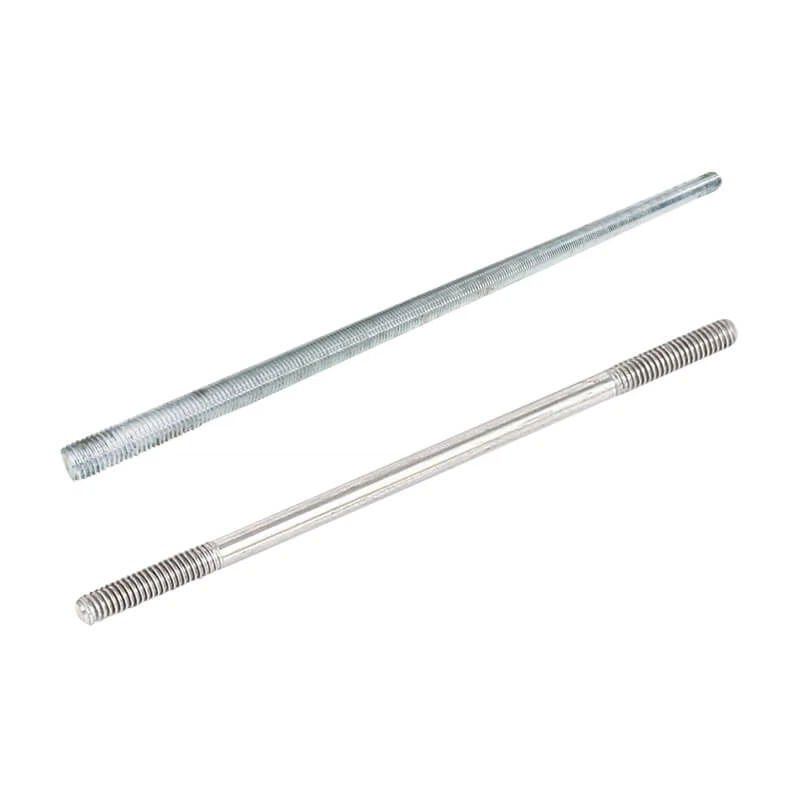
Now, let's compare Pipe Reinforcement Circles with some other pipe - related products. Take Rigid Pull Rods for example. Rigid Pull Rods are used to support pipes and keep them in place. While they also have their own environmental impacts, Pipe Reinforcement Circles are more focused on preventing pipe failure. They complement each other in a piping system, but in terms of direct environmental benefits related to leak prevention, Pipe Reinforcement Circles have an edge.

Another related product is the Sight Glass. Sight Glasses are used to visually inspect the flow inside a pipe. They're made of glass, which has its own set of environmental considerations, such as the energy - intensive manufacturing process and the potential for breakage during transportation. Pipe Reinforcement Circles, on the other hand, are more robust and have a different set of environmental pros and cons.
In conclusion, the environmental impacts of using Pipe Reinforcement Circles are a mixed bag. On one hand, they offer significant benefits in terms of leak prevention and extending pipe lifespan, which are great for the environment. On the other hand, their production and transportation do have some negative impacts. But with the industry's increasing focus on sustainability, these negative impacts are being minimized.
If you're in the market for Pipe Reinforcement Circles or have any questions about their environmental impacts, I'd love to have a chat. Whether you're from a small - scale water treatment plant or a large - scale industrial facility, we can work together to find the best solutions for your piping needs. Let's take a step towards a more sustainable future by making informed choices about our piping systems.
References
- General knowledge about the piping industry and environmental impacts of manufacturing processes.
- Industry reports on sustainable manufacturing in the metal products sector.


