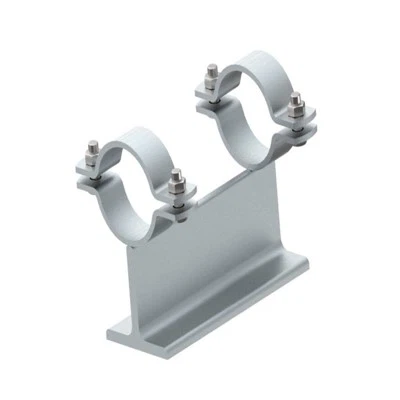
Smart dampers have emerged as a revolutionary technology in the field of engineering and construction, offering a wide range of functions that enhance the performance, safety, and comfort of various structures and systems. As a leading damper supplier, we are at the forefront of providing innovative smart damper solutions that meet the diverse needs of our customers. In this blog post, we will explore the key functions of smart dampers and how they can benefit different applications.
Vibration Control
One of the primary functions of smart dampers is vibration control. Vibration can occur in structures due to various factors such as wind, earthquakes, machinery operation, or traffic. Excessive vibration can not only cause discomfort to occupants but also lead to structural damage and premature failure. Smart dampers are designed to counteract these vibrations by dissipating the energy generated during the vibration process.
For example, in high - rise buildings, wind - induced vibrations can cause swaying, which may make the occupants feel uneasy. Smart dampers installed in these buildings can detect the vibrations and adjust their damping characteristics in real - time. By absorbing and dissipating the energy of the wind - induced vibrations, the smart dampers can significantly reduce the amplitude of the sway, providing a more stable and comfortable environment for the building's occupants.
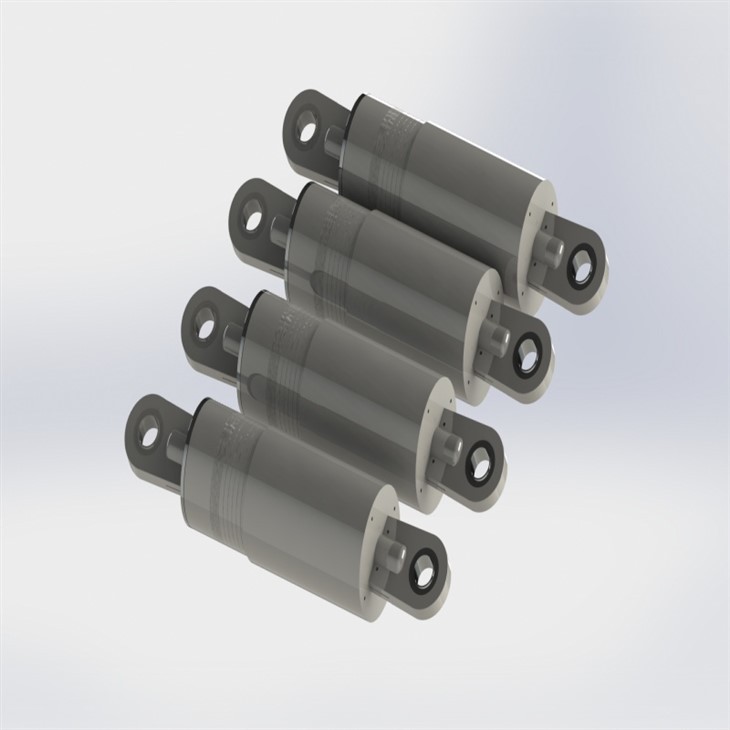
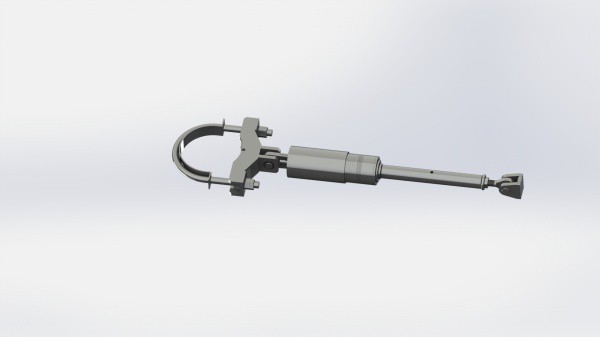
In the automotive industry, Hydraulic Shock Absorber is a type of smart damper commonly used. When a vehicle encounters bumps or uneven road surfaces, the shock absorbers compress and expand to dampen the vibrations. This not only improves the ride comfort but also enhances the vehicle's handling and safety by maintaining better tire contact with the road.
Seismic Resistance
Earthquakes pose a significant threat to structures, and smart dampers play a crucial role in enhancing the seismic resistance of buildings and bridges. During an earthquake, the ground motion causes the structure to vibrate, and the smart dampers can act as energy dissipators.
By adjusting their damping force according to the intensity and frequency of the seismic waves, smart dampers can reduce the seismic forces transmitted to the structure. This helps to prevent or minimize structural damage, such as cracking of walls, columns, and beams. For instance, in seismic - prone regions, base - isolation systems with smart dampers are often used. These systems isolate the building from the ground motion and use the dampers to absorb and dissipate the seismic energy, protecting the structure and its contents.
Noise Reduction
In addition to vibration control, smart dampers can also contribute to noise reduction. Vibration often generates noise, especially in mechanical systems and industrial equipment. By reducing the vibration amplitude, smart dampers can effectively reduce the noise level.
For example, in HVAC (Heating, Ventilation, and Air Conditioning) systems, the operation of fans and pumps can cause vibrations and noise. Smart dampers installed in these systems can dampen the vibrations, resulting in quieter operation. This is particularly important in environments where low noise levels are required, such as hospitals, libraries, and residential buildings.
Energy Harvesting
Some advanced smart dampers are capable of energy harvesting. During the process of damping vibrations, the kinetic energy of the vibrating structure can be converted into electrical energy. This harvested energy can then be used to power other components of the system or stored for later use.
For example, in large - scale infrastructure projects such as bridges, the wind - induced vibrations or traffic - induced vibrations can be harnessed by smart dampers. The generated electrical energy can be used to power the bridge's lighting systems, monitoring sensors, or other low - power devices. This not only reduces the energy consumption of the overall system but also makes the structure more sustainable.
Adaptive Control
Smart dampers are characterized by their ability to adapt to different operating conditions. They can sense changes in the environment, such as temperature, humidity, and load, and adjust their damping characteristics accordingly.
For example, in aerospace applications, the operating conditions of an aircraft can vary significantly during flight. Smart dampers installed in the aircraft's landing gear or wings can adapt to different airspeeds, altitudes, and flight maneuvers. By adjusting the damping force in real - time, these dampers can optimize the performance of the aircraft, improve its stability, and ensure a safe flight.
Structural Health Monitoring
Smart dampers can also be integrated with structural health monitoring systems. They can provide valuable information about the structural integrity of a building or a bridge. By analyzing the damping force and the response of the damper, engineers can detect early signs of damage or deterioration in the structure.
For example, if a crack develops in a bridge beam, the vibration characteristics of the bridge will change. The smart damper can detect these changes and transmit the data to a monitoring center. This allows engineers to take timely maintenance and repair measures, preventing potential disasters.
Applications in Different Industries
Construction Industry
In the construction industry, smart dampers are widely used in high - rise buildings, large - span bridges, and industrial structures. They help to improve the stability, safety, and comfort of these structures. For example, in the Taipei 101 building, one of the tallest buildings in the world, a large - scale tuned mass damper with smart control technology is installed at the top of the building. This damper can effectively reduce the wind - induced and seismic vibrations, ensuring the safety of the building and its occupants.
Automotive Industry
As mentioned earlier, the automotive industry relies heavily on smart dampers for ride comfort and handling. From passenger cars to heavy - duty trucks, smart dampers are an essential component of the suspension system. They help to improve the vehicle's performance, reduce tire wear, and enhance the overall driving experience.
Aerospace Industry
In the aerospace industry, smart dampers are used in aircraft, spacecraft, and satellites. They play a crucial role in vibration control, noise reduction, and structural stability. For example, in a spacecraft, smart dampers can protect the sensitive electronic equipment from the vibrations generated during launch and spaceflight.
Industrial Machinery
In industrial machinery, smart dampers are used to reduce vibrations and noise, improve the accuracy of machining processes, and extend the service life of the equipment. For example, in machine tools, smart dampers can be installed to dampen the vibrations caused by the cutting process, resulting in better surface finish and higher precision.
Why Choose Our Smart Dampers
As a damper supplier, we are committed to providing high - quality smart damper solutions. Our smart dampers are designed with the latest technology and advanced materials, ensuring excellent performance and reliability.
We have a team of experienced engineers who can customize the smart dampers according to the specific requirements of our customers. Whether it is a small - scale project or a large - scale infrastructure development, we can provide the most suitable damper solutions.
In addition, we offer comprehensive after - sales service, including installation guidance, maintenance, and technical support. Our goal is to ensure that our customers can get the maximum benefit from our smart dampers.
Contact Us for Purchase and Negotiation
If you are interested in our smart damper products or have any questions about the functions and applications of smart dampers, please feel free to contact us. We are looking forward to discussing your project requirements and providing you with the best damper solutions.
References
- Chopra, A. K. (2007). Dynamics of Structures: Theory and Applications to Earthquake Engineering. Prentice Hall.
- Inman, D. J. (2014). Engineering Vibration. Pearson.
- Soong, T. T., & Dargush, G. F. (1997). Passive Energy Dissipation Systems in Structural Engineering. Wiley.