In the complex world of engineering and construction, rigid pull rods play a crucial role in maintaining the structural integrity of various systems. As a trusted supplier of Rigid Pull Rods, I am well - versed in the challenges that engineers and installers face during the installation process. This blog post aims to shed light on the installation difficulties of rigid pull rods and provide some insights to overcome them.
1. Alignment Challenges
One of the primary installation difficulties of rigid pull rods is achieving proper alignment. Rigid pull rods are designed to transfer loads in a specific direction, and any misalignment can lead to uneven stress distribution and reduced structural performance. For example, in a building's curtain wall system, rigid pull rods are used to support the façade. If the rods are not aligned correctly, the façade may experience excessive swaying or even fail under certain load conditions.
Aligning rigid pull rods requires precise measurements and careful planning. Installers need to use advanced surveying tools such as laser levels and total stations to ensure that the rods are installed in the correct position and orientation. This process can be time - consuming, especially in large - scale projects where multiple rods need to be installed. Moreover, external factors such as wind and temperature changes can affect the alignment during the installation process. Wind can cause the rods to move slightly, while temperature changes can lead to thermal expansion or contraction, altering the alignment.
2. Connection and Fixing Issues
Another significant challenge is making proper connections and fixings. Rigid pull rods need to be securely attached to the supporting structures at both ends. The connection methods can vary depending on the application, such as welding, bolting, or using specialized connectors.
Welding is a common method for connecting rigid pull rods. However, it requires skilled welders to ensure a strong and reliable joint. Improper welding can result in weak joints that are prone to cracking or failure. Weld quality is also affected by factors like the type of materials used, welding parameters, and environmental conditions. For example, high humidity during welding can cause porosity in the weld, which weakens the joint.
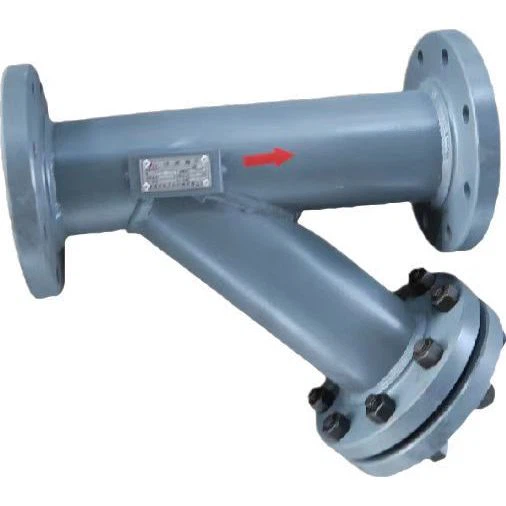
Bolting is another option, but it also has its own set of problems. The bolts need to be tightened to the correct torque to ensure a proper fit. Over - tightening can damage the rod or the supporting structure, while under - tightening can lead to loose connections. Additionally, the bolts need to be resistant to corrosion, especially in outdoor or high - humidity environments. Using Pipeline Filter in some cases can help protect the connection points from debris and contaminants, but this adds an extra layer of complexity to the installation process.
3. Load and Stress Considerations
During installation, it is essential to consider the loads and stresses that the rigid pull rods will be subjected to. Rigid pull rods are designed to carry specific loads, and any miscalculation can lead to over - stressing or under - utilization of the rods.
For instance, in a bridge structure, the rigid pull rods need to withstand the weight of the bridge deck, traffic loads, and environmental forces such as wind and seismic activity. Installers need to ensure that the rods are installed in such a way that they can distribute these loads effectively. This may involve adjusting the length and orientation of the rods to optimize the load - bearing capacity.
Moreover, the installation process itself can introduce additional stresses. For example, when lifting and positioning the rods, the sudden impact or uneven forces can cause local stress concentrations. These stress concentrations can weaken the rods over time and increase the risk of failure.
4. Space and Access Constraints
In many installation scenarios, space and access can be major obstacles. Rigid pull rods may need to be installed in confined spaces, such as inside pipes or in narrow alleys between buildings. In these situations, it can be difficult to maneuver the rods into the correct position.
For example, in a plumbing system, installing rigid pull rods in a cramped basement can be a challenging task. There may not be enough room to use large tools or equipment to lift and position the rods. Installers may have to rely on manual labor or specialized small - scale tools, which can slow down the installation process and increase the risk of errors.
Even in open spaces, access can be an issue. If the installation site is located in a remote area or is difficult to reach, it can be challenging to transport the rods and the necessary installation equipment. This can lead to delays and increased costs.
5. Compatibility with Other Components
Rigid pull rods often need to work in conjunction with other components in a system. Ensuring compatibility between the rods and these components is crucial for the overall performance of the system.
For example, in a pipe - hanging system, rigid pull rods are used in combination with Adjustable Pipe Hanger Rods and other accessories. The rods need to be compatible with the hanger design, the pipe material, and the operating conditions. If the rods are not compatible, it can lead to problems such as uneven pipe support, leakage, or premature component failure.
Similarly, in a chemical processing plant, rigid pull rods may be used in structures near Sight Glass installations. The rods need to be made of materials that are resistant to the chemicals present in the plant to prevent corrosion and ensure long - term reliability.
Overcoming the Installation Difficulties
To overcome these installation difficulties, it is important to start with proper planning. Before the installation begins, a detailed engineering analysis should be conducted to determine the correct size, length, and orientation of the rigid pull rods. This analysis should take into account all the loads, stresses, and environmental factors that the rods will be subjected to.
Training and skill development are also crucial. Installers should be well - trained in the proper installation techniques, including alignment, connection, and load - bearing considerations. Regular training sessions can help installers stay updated on the latest industry standards and best practices.
Using high - quality materials and components can also reduce the installation difficulties. For example, using corrosion - resistant materials for the rods and connectors can improve the long - term performance of the system and reduce the need for frequent maintenance.

Conclusion
In conclusion, the installation of rigid pull rods is a complex process that involves several challenges. Alignment issues, connection problems, load and stress considerations, space and access constraints, and compatibility with other components are some of the major difficulties that installers face. However, with proper planning, training, and the use of high - quality materials, these challenges can be overcome.
As a Rigid Pull Rods supplier, we are committed to providing our customers with the best - quality products and technical support. If you are facing any installation difficulties or are planning a project that requires rigid pull rods, we invite you to contact us for procurement and further discussions. Our team of experts will be happy to assist you in choosing the right products and providing guidance on the installation process.
References
- Engineering Handbook of Structural Steel Design, 2nd Edition
- Pipe Hanger and Support Design Manual, ASME Standards Committee