Safety regulations for deaerators in a nuclear power plant are of paramount importance due to the critical role these components play in the overall operation and safety of the facility. As a deaerator supplier, I understand the significance of adhering to strict safety standards to ensure the reliable and secure functioning of these vital pieces of equipment.
1. Understanding the Role of Deaerators in Nuclear Power Plants
Deaerators are essential components in nuclear power plants, primarily used to remove dissolved gases, such as oxygen and carbon dioxide, from the feedwater. The presence of these gases can cause corrosion in the pipes, boilers, and other components of the power plant's steam cycle. Corrosion not only reduces the lifespan of the equipment but can also lead to leaks and other safety hazards. By removing these gases, deaerators help maintain the integrity of the power plant's infrastructure and ensure efficient operation.
2. Design and Construction Safety Regulations
2.1 Material Selection
The materials used in the construction of deaerators must be carefully chosen to withstand the high temperatures, pressures, and corrosive environments present in a nuclear power plant. For example, the shell of the deaerator is typically made of high - quality carbon steel or stainless steel, which can resist corrosion and mechanical stress. The internal components, such as trays and spray nozzles, also need to be made of materials that are resistant to erosion and chemical attack. Regulatory bodies often specify the minimum material requirements to ensure the long - term safety and reliability of the deaerator.
2.2 Structural Design
The structural design of the deaerator must comply with strict codes and standards. It should be able to withstand the normal operating pressures and temperatures, as well as any potential overpressure or thermal shock events. The design should also take into account factors such as seismic activity, as nuclear power plants are often located in areas where seismic events are possible. The deaerator's support structure must be designed to prevent excessive vibration and movement, which could lead to structural damage.
2.3 Quality Control during Construction
During the construction process, strict quality control measures must be implemented. This includes non - destructive testing (NDT) of the welds, such as ultrasonic testing and radiographic testing, to ensure the integrity of the joints. The manufacturing facility must also have a quality management system in place that complies with international standards, such as ISO 9001. Regular inspections by independent third - party organizations are often required to verify that the construction process meets all the safety regulations.
3. Operational Safety Regulations
3.1 Pressure and Temperature Monitoring
Continuous monitoring of the pressure and temperature inside the deaerator is crucial for safe operation. Pressure relief valves are installed to prevent overpressure situations. These valves are designed to open automatically when the pressure exceeds a certain set point, releasing the excess pressure and protecting the deaerator from damage. Temperature sensors are also used to monitor the operating temperature, and if the temperature goes beyond the safe range, appropriate actions, such as adjusting the steam flow, must be taken.
3.2 Water Level Control
Maintaining the correct water level in the deaerator is essential. A low water level can expose the internal components to high - temperature steam, causing damage, while a high water level can lead to water carry - over into the steam lines, which can damage turbines and other downstream equipment. Automatic water level control systems are used to regulate the water level within a safe range. These systems typically use level sensors and control valves to adjust the inflow and outflow of water.
3.3 Gas Removal Efficiency Monitoring
The efficiency of gas removal is another important aspect of deaerator operation. Regular testing is required to ensure that the deaerator is effectively removing oxygen and carbon dioxide from the feedwater. If the gas removal efficiency drops below the specified level, it could indicate a problem with the deaerator, such as a clogged spray nozzle or a malfunctioning tray. In such cases, maintenance or repair work must be carried out promptly.
4. Maintenance and Inspection Safety Regulations
4.1 Regular Maintenance Schedules
Deaerators require regular maintenance to ensure their continued safe operation. This includes tasks such as cleaning the internal components, inspecting the welds for signs of cracking, and replacing worn - out parts. Maintenance schedules are typically based on the manufacturer's recommendations and regulatory requirements. For example, some regulatory bodies may require a major overhaul of the deaerator every few years.
4.2 Inspection Procedures
Inspections are carried out at various intervals to detect any potential safety issues. Visual inspections can be used to check for signs of corrosion, leaks, or mechanical damage. More in - depth inspections, such as NDT, may be required at regular intervals to assess the integrity of the deaerator's structure. Inspections should be carried out by qualified personnel who are trained in the specific inspection techniques and safety procedures.
4.3 Lock - Out/Tag - Out Procedures
When performing maintenance or inspection work on the deaerator, lock - out/tag - out procedures must be followed to prevent accidental startup or release of energy. This involves isolating the deaerator from all sources of power, steam, and water, and applying locks and tags to indicate that the equipment is being serviced. These procedures help protect the maintenance personnel from potential hazards.
5. Emergency Response and Safety Regulations
5.1 Emergency Shutdown Procedures
In the event of an emergency, such as a major leak or overpressure situation, the deaerator must be shut down safely. Emergency shutdown procedures should be clearly defined and practiced regularly by the plant operators. These procedures typically involve isolating the deaerator from the rest of the system, releasing the pressure in a controlled manner, and taking steps to prevent any further damage.


5.2 Contingency Planning
Nuclear power plants must have contingency plans in place for dealing with potential deaerator failures. These plans should include provisions for emergency repairs, replacement of critical components, and measures to ensure the continued operation of the power plant in a safe manner. The contingency plans should be regularly reviewed and updated to reflect any changes in the deaerator's design, operation, or regulatory requirements.
6. Our Company's Commitment to Safety
As a deaerator supplier, we are fully committed to meeting and exceeding all the safety regulations for deaerators in nuclear power plants. Our deaerators are designed and manufactured in accordance with the latest international standards and codes. We use only the highest - quality materials and employ strict quality control measures throughout the manufacturing process.
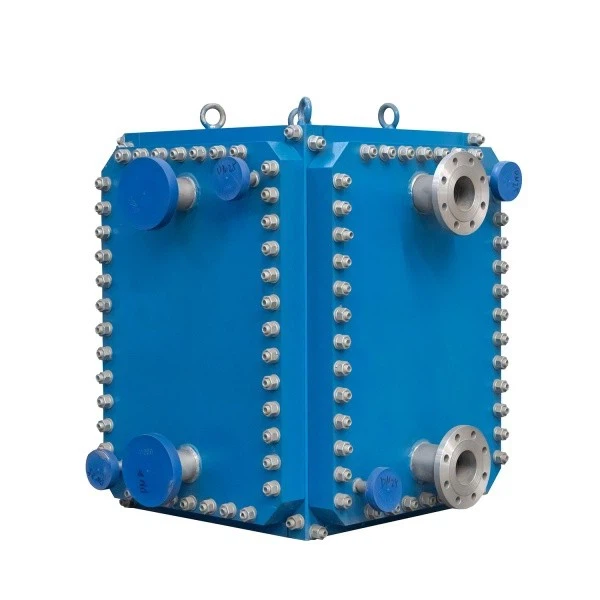
We offer a range of deaerators, including those with advanced features for enhanced safety and performance. Our Deaerator models are designed to provide reliable gas removal and long - term durability. In addition to deaerators, we also supply related equipment such as Tower Container and High Working Heat Exchanger, which are also subject to strict safety regulations.
If you are in the market for a deaerator for your nuclear power plant, we invite you to contact us for a detailed discussion about your specific requirements. Our team of experts is ready to provide you with the best solutions and ensure that you receive a deaerator that meets all the necessary safety standards.
References
- Nuclear Regulatory Commission (NRC). Regulatory guides for nuclear power plant components.
- American Society of Mechanical Engineers (ASME). Boiler and Pressure Vessel Code.
- International Atomic Energy Agency (IAEA). Safety standards for nuclear power plants.