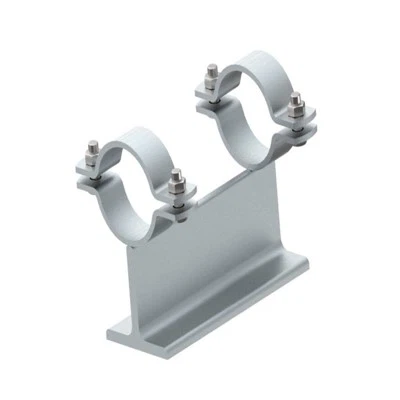
Hey there! As a pipe support supplier, I've been in the business for quite a while, and I know how crucial it is to get the sizing of pipe supports right. In this blog, I'm gonna share some sizing guidelines for pipe supports that'll help you make the best choices for your projects.
Why Sizing Matters
First off, let's talk about why sizing is such a big deal. Pipe supports are like the unsung heroes of any piping system. They hold up the pipes, keep them in place, and prevent all sorts of problems like sagging, vibration, and even pipe failure. If the supports are too small or too weak, they won't be able to handle the weight and stress of the pipes, which can lead to some serious issues down the line. On the other hand, if they're too big or over - engineered, you're just wasting money and resources. So, getting the sizing just right is key.
Factors Affecting Pipe Support Sizing
Pipe Size and Weight
The most obvious factor is the size and weight of the pipe itself. Larger diameter pipes and those made of heavier materials like steel are going to need stronger and more substantial supports. You need to know the outer diameter of the pipe, its wall thickness, and the material it's made of to calculate its weight accurately. For example, a 12 - inch diameter steel pipe is going to be a lot heavier than a 2 - inch plastic pipe, and it'll require a much beefier support.
Fluid Inside the Pipe
The fluid flowing through the pipe also plays a major role. Different fluids have different densities, and that affects the overall weight of the pipe when it's full. For instance, a pipe carrying water is going to be heavier than one carrying natural gas. You also need to consider the temperature and pressure of the fluid. High - temperature fluids can cause the pipe to expand, and high - pressure fluids can create additional stress on the supports.
Operating Conditions
The environment where the pipes are installed is another important factor. If the pipes are in an area with high winds, seismic activity, or extreme temperatures, the supports need to be designed to withstand these conditions. For example, in an earthquake - prone area, the supports need to be able to absorb and dissipate the energy from seismic waves to prevent the pipes from breaking.
Pipe Movement
Pipes can move due to thermal expansion, contraction, or vibration. You need to account for this movement when sizing the supports. Some supports are designed to allow for a certain amount of movement, while others are fixed to prevent any shifting. For example, in a steam pipe system, the pipes will expand as the steam heats them up. You'll need supports that can accommodate this expansion without causing damage to the pipes or the supports themselves.
Types of Pipe Supports and Their Sizing Considerations
Rigid Supports
Rigid supports are used when you want to hold the pipe in a fixed position. They're great for pipes that don't experience much movement. When sizing rigid supports, you need to make sure they can handle the static weight of the pipe and the fluid inside it. You also need to consider any additional loads, like the weight of insulation or any attached equipment.
Spring Supports
Spring supports are used to accommodate pipe movement due to thermal expansion or contraction. The sizing of spring supports is a bit more complicated. You need to know the amount of movement the pipe is expected to make, the load on the support, and the stiffness of the spring. A spring that's too stiff won't allow the pipe to move properly, while a spring that's too soft won't be able to support the weight of the pipe.
Hangers
Pipe hangers are used to suspend the pipes from above. When sizing hangers, you need to consider the weight of the pipe, the fluid, and any additional loads. You also need to make sure the hanger can be properly attached to the structure above. For example, if you're hanging a pipe from a ceiling, the hanger needs to be strong enough to support the weight and be securely fastened to the ceiling joists.
Sizing Guidelines in Practice
Let's say you're working on a project that involves installing a natural gas pipeline. You can check out our Natural Gas Pipe Support Hanger for more information on the specific supports needed for this type of application. First, you'd start by measuring the diameter and wall thickness of the natural gas pipe. Then, you'd calculate its weight based on the material (usually steel for natural gas pipes). Next, you'd consider the weight of the natural gas inside the pipe. Since natural gas is relatively light compared to liquids, it won't add a huge amount of weight, but you still need to factor it in.
You also need to think about the operating conditions. Natural gas pipelines are often installed outdoors, so you need to consider factors like wind and temperature changes. If the pipeline is in an area with high winds, you might need to use stronger supports or additional bracing to prevent the pipes from swaying.
In oil refineries, chemical plants, and natural gas facilities, pipe clamps are widely used. You can find more details about Pipe Clamps In Oil Refineries, Chemical Plants, And Natural Gas Facilities. These facilities have complex piping systems with a variety of pipe sizes and operating conditions. When sizing pipe clamps, you need to make sure they can grip the pipe tightly enough to hold it in place but not so tightly that they damage the pipe. You also need to consider the type of fluid in the pipe and the temperature and pressure conditions.
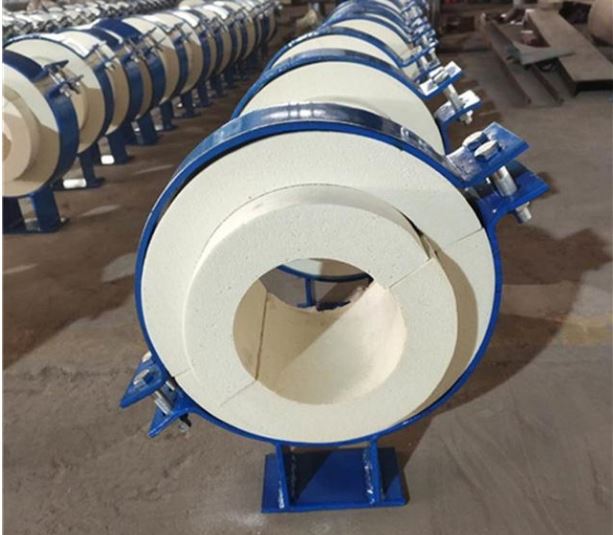

For oil and gas applications where cold or cryogenic temperatures are involved, you'd need Cold/Cryogenic Pipe Support For Oil And Gas. At low temperatures, the properties of the pipe and the supports change. The pipe may contract, and the supports need to be able to accommodate this without losing their strength. You also need to consider the insulation requirements to prevent the cold from affecting the surrounding environment.
How to Determine the Right Sizing
There are a few ways to determine the right sizing for pipe supports. You can use engineering calculations based on the factors I mentioned earlier. There are also software programs available that can help you with these calculations. These programs take into account all the variables and can give you a more accurate sizing recommendation.
Another option is to consult with an experienced engineer. They have the knowledge and expertise to design the right supports for your specific project. They can also help you with any special requirements or challenges you might face.
Conclusion
Getting the sizing of pipe supports right is essential for the safety and efficiency of your piping system. By considering factors like pipe size and weight, the fluid inside the pipe, operating conditions, and pipe movement, you can select the appropriate supports. Whether you're working on a natural gas pipeline, an oil refinery, or a cryogenic application, we've got the expertise and the products to help you.
If you're in the market for high - quality pipe supports and need help with sizing or have any other questions, don't hesitate to reach out. We're here to assist you in finding the perfect pipe support solutions for your project.
References
- "Pipe Support Engineering Handbook"
- "Design of Piping Systems"
- Industry standards and codes related to pipe supports