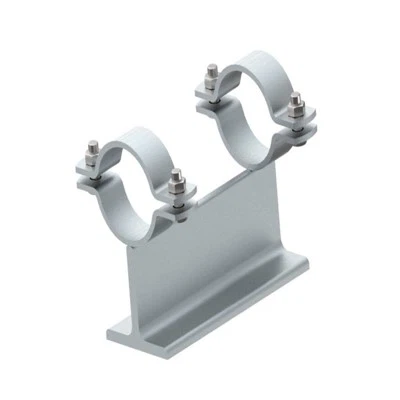
What are the standards for rigid pipe supports? Well, as a rigid pipe support supplier, I've dealt with this question quite a lot. Rigid pipe supports are crucial in various industries, from oil and gas to water treatment, and getting the standards right is super important.
Load - Bearing Capacity
First off, let's talk about load - bearing capacity. This is like the foundation of a good rigid pipe support. The support has to handle the weight of the pipe itself, the fluid inside the pipe, and any additional loads like insulation or external forces.
For example, in an industrial plant where large - diameter pipes carry high - density fluids, the rigid pipe support needs to be beefy enough to hold all that weight. Engineers usually calculate the total load based on the pipe's dimensions, the type of fluid (its density and flow rate), and the environmental conditions. If a support can't handle the load, it can lead to sagging pipes, which can cause leaks, damage to the pipe, and even pose safety risks.
We offer a range of products with different load - bearing capacities. Our T - Type Pipe Support with Wear Pad is designed to handle medium to heavy loads. It's got a wear pad that helps distribute the load evenly and reduces friction between the pipe and the support, which is great for long - term use.
Material Quality
The material of the rigid pipe support is another key standard. You want a material that can withstand the environment it's in. In corrosive environments, like chemical plants or coastal areas, using a material that resists corrosion is a must. Stainless steel is a popular choice in these situations because it can stand up to rust and chemical attacks.
On the other hand, in less harsh environments, carbon steel might be a more cost - effective option. It's strong and can handle a good amount of load. But it does need some form of protection, like painting or galvanizing, to prevent rusting.
Our Pipe Saddle Support comes in different materials. You can choose stainless steel for those tough environments or carbon steel if the conditions are more forgiving. This way, you can get a support that fits your specific needs and budget.
Installation and Adjustability
Proper installation is also a standard for rigid pipe supports. A support that's not installed correctly won't work as it should. It needs to be securely attached to the structure and properly aligned with the pipe.
Some rigid pipe supports are designed for easy installation. For instance, our T - Type Pipe Supports with Clamp come with clamps that make it quick and simple to attach the support to the pipe. This not only saves time during installation but also ensures a more secure fit.
Adjustability is another factor. As the pipe system expands or contracts due to temperature changes, the support should be able to adapt. Some supports have adjustable features that allow for minor movements without losing their support function. This helps prevent stress on the pipe and the support itself.
Alignment and Leveling
Alignment and leveling are often overlooked but are very important standards. The pipe support needs to keep the pipe in the correct position. If the pipe is not level, it can cause uneven stress on the support and the pipe. This can lead to premature wear and tear, and in some cases, even pipe failure.
During installation, it's essential to use proper tools to ensure the support is level and the pipe is aligned correctly. We provide installation guides with our products to help you get this right. By following these guides, you can make sure your pipe system operates smoothly and safely.
Compatibility with the Pipe System
The rigid pipe support must be compatible with the pipe system it's supporting. This includes factors like the pipe's diameter, wall thickness, and the type of fluid it carries. Different pipe sizes require different support sizes and designs.

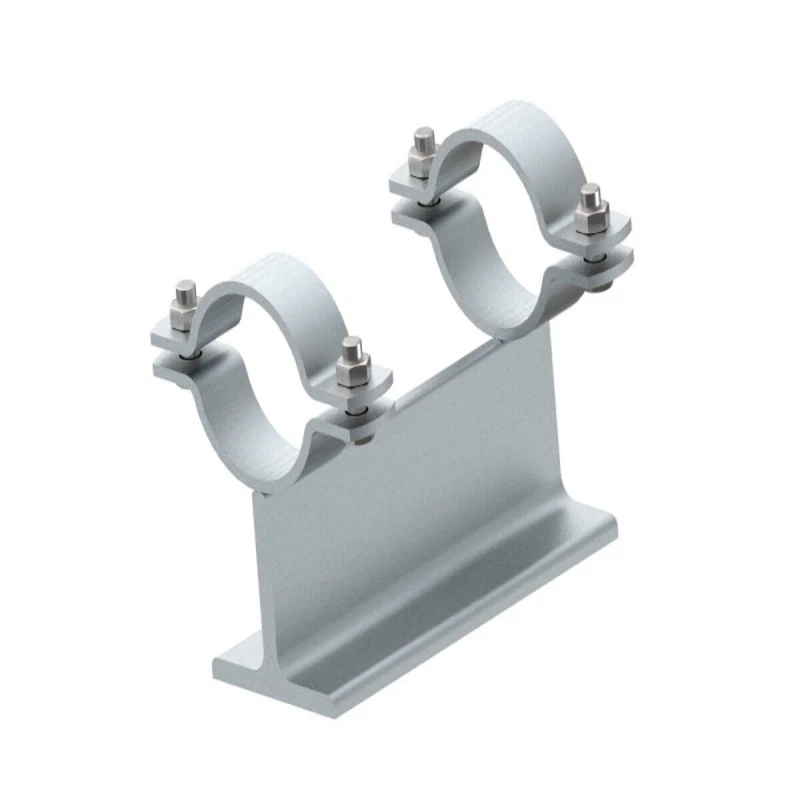
For example, a small - diameter pipe might need a more lightweight support, while a large - diameter pipe will need a more robust one. Also, if the pipe carries a high - temperature fluid, the support needs to be able to handle the heat without deforming.
We have a wide range of products to ensure compatibility with various pipe systems. Whether you have a small - scale water treatment plant or a large - scale industrial facility, we can provide the right rigid pipe support for your needs.
Maintenance Requirements
Maintenance is an important standard too. A good rigid pipe support should be easy to maintain. Regular inspections can help detect any signs of wear, corrosion, or damage early on. If a support is difficult to access or requires complex maintenance procedures, it can be a hassle and may lead to problems being overlooked.
Our products are designed with maintenance in mind. They are easy to inspect, and if any parts need to be replaced, it can be done quickly and without too much trouble. This helps keep your pipe system running smoothly and reduces downtime.
Cost - Effectiveness
Last but not least, cost - effectiveness is a standard. You want to get a rigid pipe support that offers good value for money. This doesn't mean going for the cheapest option, but rather finding a balance between quality and price.
Our products are priced competitively. We offer high - quality supports at reasonable prices, so you don't have to break the bank to get a reliable pipe support system.
If you're in the market for rigid pipe supports and want to discuss your specific requirements, feel free to reach out. We're here to help you find the best solutions for your pipe support needs. Whether it's choosing the right product, understanding the installation process, or getting advice on maintenance, we've got you covered.
References
- ASME B31 series: Codes for pressure piping, which provide guidelines on pipe supports.
- MSS SP - 58: Pipe Hangers and Supports - Materials, Design, and Manufacture.