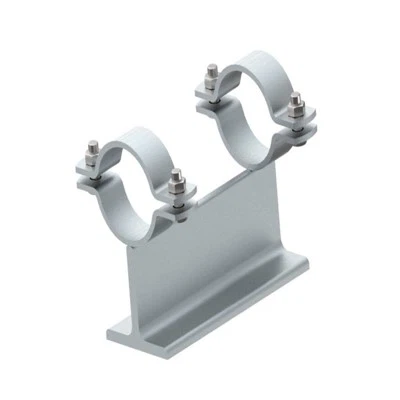
As a supplier of cold pipe supports, I often get asked about the different testing methods for these crucial components. Cold pipe supports play a vital role in various industries, such as oil and gas, chemical, and refrigeration. They are designed to handle the unique challenges posed by cold temperatures, including thermal contraction, frost heave, and ice formation. In this blog post, I'll walk you through some of the most common testing methods for cold pipe supports, so you can make informed decisions when it comes to your projects.
Visual Inspection
Let's start with the most basic yet essential testing method: visual inspection. This is the first step in assessing the condition of cold pipe supports. During a visual inspection, we look for obvious signs of damage, such as cracks, corrosion, or deformation. We also check the alignment of the supports and make sure they are properly installed. It's a simple but effective way to catch any major issues early on.
For instance, if we notice a crack in a restraint cold pipe support, it could compromise its ability to hold the pipe in place. A visual inspection can help us identify such problems before they lead to more significant issues, like pipe failure or leakage. Regular visual inspections are a must, especially in harsh environments where cold pipe supports are exposed to extreme conditions.
Load Testing
Load testing is another crucial method for evaluating cold pipe supports. This test measures the support's ability to withstand the weight and forces applied to it during normal operation. We use specialized equipment to apply a known load to the support and monitor its performance. The load can be static or dynamic, depending on the specific requirements of the application.
Static load testing involves applying a constant load to the support for a specified period. This helps us determine the support's maximum load capacity and its ability to maintain its structural integrity under continuous stress. Dynamic load testing, on the other hand, simulates the real-world conditions where the support may be subjected to vibrations, shocks, or sudden changes in load.
For example, in a refrigeration system, the cold pipe supports may experience dynamic loads due to the movement of the refrigerant and the operation of the compressor. By conducting load testing, we can ensure that the supports can handle these loads without failing. It's important to note that load testing should be performed in accordance with industry standards and specifications to ensure accurate and reliable results.
Thermal Cycling Testing
Cold pipe supports are designed to operate in low-temperature environments, which means they need to withstand thermal cycling. Thermal cycling testing involves subjecting the support to repeated cycles of heating and cooling to simulate the temperature changes it will experience in real-world applications. This test helps us evaluate the support's ability to expand and contract without cracking or losing its structural integrity.
During thermal cycling testing, we use a temperature chamber to control the temperature and create the desired cycling conditions. We monitor the support's performance at different temperatures and record any changes in its dimensions, material properties, or mechanical behavior. This information helps us determine the support's thermal fatigue resistance and its suitability for long-term use in cold environments.
For instance, in an oil and gas pipeline, the cold pipe supports may be exposed to significant temperature variations as the pipeline is filled and emptied. Thermal cycling testing can help us ensure that the supports can withstand these temperature changes without failing, reducing the risk of pipeline damage and downtime.
Material Testing
The materials used in cold pipe supports play a crucial role in their performance and durability. Material testing is used to evaluate the properties of the materials, such as strength, hardness, and corrosion resistance. There are several types of material testing methods, including chemical analysis, mechanical testing, and non-destructive testing.
Chemical analysis is used to determine the chemical composition of the material, which can affect its properties and performance. Mechanical testing, such as tensile testing and compression testing, is used to measure the material's strength and deformation characteristics. Non-destructive testing methods, such as ultrasonic testing and magnetic particle testing, are used to detect internal defects or flaws in the material without damaging it.
For example, if a cold pipe support is made of a steel alloy, material testing can help us ensure that the alloy has the right chemical composition and mechanical properties to withstand the cold temperatures and loads it will be subjected to. By conducting material testing, we can select the most appropriate materials for the application and ensure the long-term reliability of the cold pipe supports.
Leak Testing
Leak testing is an important method for ensuring the integrity of cold pipe supports, especially in applications where the pipes carry hazardous or valuable fluids. This test is used to detect any leaks in the support or the pipe connections. There are several types of leak testing methods, including pressure testing, vacuum testing, and tracer gas testing.
Pressure testing involves applying a pressure to the pipe system and monitoring the pressure drop over time. If there is a leak, the pressure will drop, indicating the presence of a leak. Vacuum testing is similar to pressure testing, but it involves creating a vacuum in the pipe system and monitoring the pressure rise. Tracer gas testing involves introducing a tracer gas, such as helium or nitrogen, into the pipe system and using a detector to detect any leaks.


For instance, in a chemical plant, leak testing of cold pipe supports is essential to prevent the release of toxic chemicals into the environment. By conducting regular leak testing, we can ensure the safety and reliability of the pipe system and comply with environmental regulations.
Conclusion
In conclusion, there are several testing methods available for evaluating the performance and reliability of cold pipe supports. Visual inspection, load testing, thermal cycling testing, material testing, and leak testing are all important methods that can help us ensure the quality and durability of these supports. By using these testing methods, we can identify any potential issues early on and take corrective actions to prevent failures and downtime.
As a cold pipe support supplier, we are committed to providing high-quality products that meet the needs of our customers. We use these testing methods to ensure that our products are reliable, durable, and safe. If you're in the market for cold pipe supports, I encourage you to contact us to discuss your specific requirements. We can help you select the right supports for your application and provide you with the necessary testing and certification to ensure their performance and compliance.
Whether you need Restraint and Guide Cold Pipe Support, Sliding Cold Insulation Pipe Supports, or Restraint Cold Pipe Support, we have the expertise and experience to meet your needs. Contact us today to start the conversation and let's work together to find the best solutions for your cold pipe support requirements.
References
- ASME B31.3 Process Piping Code
- ASTM International Standards for Materials Testing
- API Standards for Oil and Gas Pipeline Components