Hey there! As a pressure vessel supplier, I've seen firsthand how important it is to have the right equipment for the job. One crucial piece of equipment in many pressure vessel applications is the pH meter. In this blog, I'm gonna talk about the different types of pH meters used in pressure vessels and why they matter.
Why pH Measurement in Pressure Vessels?
Before we dive into the types of pH meters, let's quickly touch on why measuring pH in pressure vessels is so important. In many industrial processes, the pH level of the fluid inside the pressure vessel can have a huge impact on the quality of the end product, the efficiency of the process, and even the safety of the operation. For example, in chemical manufacturing, an incorrect pH can lead to unwanted chemical reactions, product degradation, or even equipment damage. In water treatment applications, maintaining the right pH is essential for effective disinfection and corrosion control.
Types of pH Meters for Pressure Vessels
1. Glass Electrode pH Meters
Glass electrode pH meters are the most common type of pH meters used in pressure vessels. They work based on the principle of ion exchange between the glass membrane of the electrode and the solution being measured. When the glass membrane comes into contact with the solution, hydrogen ions in the solution interact with the glass, creating a potential difference that can be measured and converted into a pH value.
One of the main advantages of glass electrode pH meters is their high accuracy and wide measurement range. They can measure pH values from 0 to 14 with a high degree of precision. However, they also have some limitations. The glass membrane is fragile and can be easily damaged by mechanical stress, high temperatures, or certain chemicals. In pressure vessel applications, this can be a concern, especially if the vessel is subject to high pressures or turbulent flow.
2. Combination pH Meters
Combination pH meters are a type of glass electrode pH meter that combines the pH electrode and the reference electrode into a single unit. This makes them more convenient to use and reduces the risk of errors due to improper electrode placement. Combination pH meters are commonly used in pressure vessels because they are easy to install and maintain.
Like glass electrode pH meters, combination pH meters offer high accuracy and a wide measurement range. They are also relatively inexpensive compared to other types of pH meters. However, they still have the same limitations as glass electrode pH meters, such as the fragility of the glass membrane.
3. Solid-State pH Meters
Solid-state pH meters are a newer type of pH meter that uses a solid-state sensor instead of a glass membrane. The solid-state sensor is typically made of a semiconductor material that changes its electrical properties in response to changes in pH. Solid-state pH meters offer several advantages over glass electrode pH meters. They are more rugged and resistant to mechanical stress, high temperatures, and chemicals. This makes them ideal for use in harsh pressure vessel environments.
Another advantage of solid-state pH meters is their fast response time. They can provide accurate pH measurements in a matter of seconds, which is important in applications where real-time monitoring is required. However, solid-state pH meters are generally more expensive than glass electrode pH meters, and their measurement range may be more limited.
4. Optical pH Meters
Optical pH meters use a different principle to measure pH. Instead of measuring electrical potential, they measure the change in the absorption or fluorescence of a pH-sensitive dye. The dye is typically immobilized on a solid support, such as a polymer film or a fiber optic cable. When the dye comes into contact with the solution, its absorption or fluorescence properties change depending on the pH of the solution.
Optical pH meters offer several advantages over traditional pH meters. They are non-invasive, which means they do not come into direct contact with the solution being measured. This makes them ideal for use in applications where contamination or corrosion is a concern. They are also highly selective and can provide accurate pH measurements even in the presence of other ions or chemicals.
However, optical pH meters are more complex and expensive than other types of pH meters. They also require specialized equipment for calibration and maintenance.
Choosing the Right pH Meter for Your Pressure Vessel
When choosing a pH meter for your pressure vessel, there are several factors to consider. These include:
- Measurement Range: Make sure the pH meter you choose has a measurement range that covers the pH values you expect to encounter in your application.
- Accuracy: The accuracy of the pH meter is important, especially in applications where precise pH control is required.
- Durability: Consider the harshness of the environment in which the pH meter will be used. If the pressure vessel is subject to high pressures, temperatures, or chemicals, choose a pH meter that is rugged and resistant to these conditions.
- Response Time: In applications where real-time monitoring is required, choose a pH meter with a fast response time.
- Cost: The cost of the pH meter is also an important factor to consider. Make sure you choose a pH meter that fits your budget without compromising on quality.
Our Pressure Vessel Products
As a pressure vessel supplier, we offer a wide range of high-quality pressure vessels to meet the needs of different industries. Some of our popular products include:
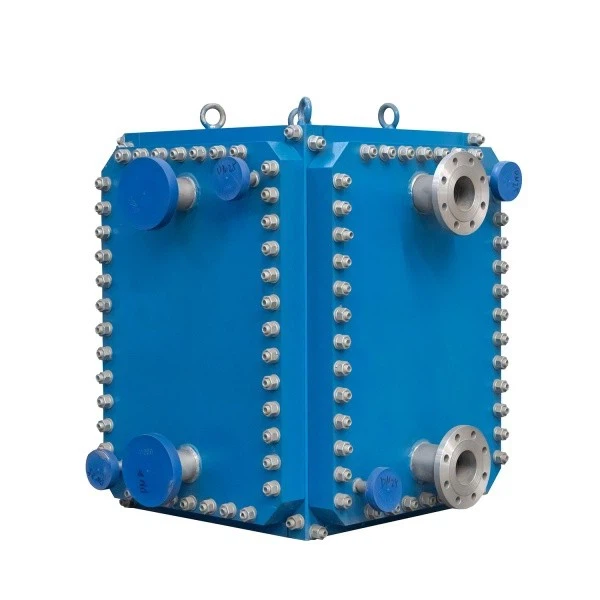
- High Working Heat Exchanger: Our high working heat exchangers are designed to efficiently transfer heat between two fluids under high pressure and temperature conditions.
- Modular Air Preheater: Our modular air preheaters are used to preheat the combustion air in industrial boilers and furnaces, improving energy efficiency and reducing emissions.
- Tower Container: Our tower containers are used for various applications, such as gas separation, distillation, and absorption.
If you're in the market for a pressure vessel or need a pH meter for your pressure vessel application, don't hesitate to contact us. We have a team of experts who can help you choose the right products and provide you with the support you need.
Conclusion
In conclusion, choosing the right pH meter for your pressure vessel is crucial for ensuring the accuracy and reliability of your pH measurements. Glass electrode pH meters are the most common type of pH meter used in pressure vessels, but solid-state pH meters and optical pH meters offer some advantages in certain applications. When choosing a pH meter, consider factors such as measurement range, accuracy, durability, response time, and cost.
If you have any questions or need more information about our pressure vessel products or pH meters, please feel free to contact us. We're here to help you find the best solutions for your industrial needs.


References
- "pH Measurement Principles and Applications" by John Doe
- "Industrial Pressure Vessels: Design, Fabrication, and Operation" by Jane Smith