Ventilation requirements for tower containers are crucial aspects that every industry player, especially suppliers like us, need to understand thoroughly. As a tower container supplier, we are constantly faced with the challenge of ensuring that the ventilation systems in our products meet the highest standards. This blog will delve into the various ventilation requirements for tower containers, exploring the factors that influence these requirements and the solutions we offer to meet them.


Importance of Ventilation in Tower Containers
Tower containers are used in a wide range of industries, including telecommunications, energy, and manufacturing. These containers often house sensitive equipment that generates heat during operation. Without proper ventilation, the heat can build up inside the container, leading to a variety of problems. High temperatures can reduce the lifespan of the equipment, cause malfunctions, and even pose a fire hazard. Therefore, adequate ventilation is essential to maintain a stable and safe operating environment for the equipment inside the tower container.
Factors Influencing Ventilation Requirements
Several factors influence the ventilation requirements for tower containers. These factors need to be carefully considered during the design and installation of the ventilation system to ensure its effectiveness.
Heat Generation
The amount of heat generated by the equipment inside the tower container is one of the primary factors determining the ventilation requirements. Different types of equipment have different heat dissipation rates. For example, servers in a telecommunications tower container can generate a significant amount of heat, especially when they are operating at full capacity. To calculate the heat load, we need to know the power consumption of the equipment and its efficiency. The higher the heat load, the more ventilation is required to remove the heat from the container.
Container Size
The size of the tower container also plays a crucial role in determining the ventilation requirements. Larger containers have a greater volume of air to be cooled, which means that more ventilation is needed to maintain a uniform temperature throughout the container. Additionally, the layout of the equipment inside the container can affect the airflow. If the equipment is densely packed, it can create obstacles to the airflow, reducing the effectiveness of the ventilation system.
Ambient Conditions
The ambient conditions outside the tower container, such as temperature, humidity, and air quality, can also impact the ventilation requirements. In hot and humid climates, the ventilation system needs to work harder to remove the heat and moisture from the container. Poor air quality, such as high levels of dust or pollutants, can clog the ventilation filters, reducing the airflow and increasing the risk of equipment damage.
Regulatory Requirements
In many industries, there are regulatory requirements regarding the ventilation of tower containers. These requirements are designed to ensure the safety and reliability of the equipment and to protect the environment. For example, some regulations may specify the minimum airflow rate, the maximum temperature inside the container, or the type of ventilation system that can be used. As a tower container supplier, we need to ensure that our products comply with these regulations.
Types of Ventilation Systems
There are several types of ventilation systems that can be used in tower containers, each with its own advantages and disadvantages.
Natural Ventilation
Natural ventilation relies on the natural movement of air to remove heat from the container. This can be achieved through the use of vents, louvers, or chimneys. Natural ventilation is a cost - effective solution, as it does not require any mechanical equipment. However, its effectiveness is limited by the ambient conditions and the design of the container. In hot and still weather, natural ventilation may not be sufficient to remove the heat from the container.
Mechanical Ventilation
Mechanical ventilation uses fans or blowers to force air in and out of the container. This type of ventilation system can provide a more consistent and reliable airflow, regardless of the ambient conditions. There are two main types of mechanical ventilation: exhaust ventilation and supply ventilation. Exhaust ventilation removes the hot air from the container, creating a negative pressure inside. Supply ventilation, on the other hand, forces fresh air into the container, creating a positive pressure. A combination of exhaust and supply ventilation can be used to achieve the best results.
Air Conditioning
In some cases, especially when the heat load is very high or the ambient conditions are extreme, air conditioning may be required to maintain the temperature inside the tower container. Air conditioning systems can cool and dehumidify the air, providing a more controlled environment for the equipment. However, air conditioning systems are more expensive to install and operate than ventilation systems, and they require regular maintenance.
Our Solutions
As a tower container supplier, we offer a range of ventilation solutions to meet the diverse needs of our customers. Our ventilation systems are designed to be energy - efficient, reliable, and easy to maintain.
We provide high - quality ventilation fans and blowers that are specifically designed for tower containers. These fans are available in different sizes and capacities to suit the heat load and container size. Our fans are made from durable materials and are designed to operate in harsh environments.
In addition to mechanical ventilation systems, we also offer natural ventilation solutions, such as vents and louvers. These products are designed to provide effective airflow while protecting the container from dust, rain, and other environmental factors.
For customers who require a more advanced ventilation solution, we offer Fin - tube Draft Force Air Cooler. This type of cooler uses finned tubes to increase the surface area for heat transfer, providing efficient cooling for the tower container.
We also supply Shell And Tube Heat Exchanger Condenser With Fabrication Code ASME. This heat exchanger is designed to transfer heat between two fluids, providing effective cooling for the equipment inside the container.
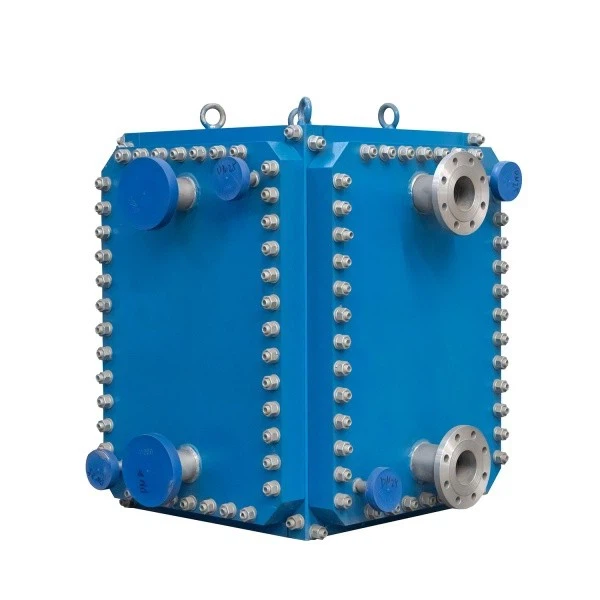
Another product we offer is the Block Heat Exchanger in Oil And Gas Industry. This heat exchanger is suitable for use in tower containers in the oil and gas industry, providing reliable and efficient heat transfer.
Contact Us for Procurement
If you are in the market for tower containers and are concerned about the ventilation requirements, we are here to help. Our team of experts can work with you to assess your specific needs and recommend the most suitable ventilation solution for your tower container. We offer high - quality products at competitive prices, and we are committed to providing excellent customer service. Whether you are a small business or a large corporation, we can provide you with the ventilation solutions you need to ensure the safe and reliable operation of your equipment. Contact us today to start the procurement process and discuss your requirements.
References
- ASHRAE Handbook of HVAC Systems and Equipment.
- Industry standards and regulations related to tower container ventilation.
- Technical documentation from equipment manufacturers regarding heat generation and ventilation requirements.