As a seasoned supplier of rigid pipe supports, I've witnessed firsthand the critical role these components play in various industrial applications. One of the most frequently asked questions I encounter is about the corrosion resistance of rigid pipe supports. In this blog, I'll delve into the details of what corrosion resistance means for these essential products, the factors that affect it, and how we ensure our pipe supports can withstand the test of time in harsh environments.
Understanding Corrosion Resistance
Corrosion is a natural process that occurs when metals react with their environment, leading to the deterioration of the material. For rigid pipe supports, corrosion can compromise their structural integrity, reduce their load - bearing capacity, and ultimately lead to system failures. Corrosion resistance, therefore, refers to the ability of a pipe support to resist this degradation over an extended period.
There are several types of corrosion that can affect rigid pipe supports. Uniform corrosion is the most common type, where the entire surface of the metal gradually wears away. Pitting corrosion, on the other hand, results in small, deep holes in the metal, which can be particularly dangerous as they can lead to sudden failures. Crevice corrosion occurs in narrow spaces, such as between two parts of the pipe support, where the flow of oxygen is restricted. Galvanic corrosion happens when two different metals are in contact in the presence of an electrolyte, causing one metal to corrode at an accelerated rate.
Factors Affecting Corrosion Resistance
Several factors influence the corrosion resistance of rigid pipe supports. The first and most obvious is the material used in their construction. Common materials for pipe supports include carbon steel, stainless steel, and aluminum.
Carbon steel is a widely used material due to its high strength and relatively low cost. However, it is prone to corrosion, especially in environments with high humidity, aggressive chemicals, or saltwater. To improve its corrosion resistance, carbon steel pipe supports can be coated with various protective layers, such as zinc (galvanizing), epoxy, or paint.
Stainless steel is a popular choice for applications where corrosion resistance is a primary concern. It contains chromium, which forms a passive oxide layer on the surface of the metal, protecting it from further corrosion. Different grades of stainless steel offer varying levels of corrosion resistance, with higher - alloyed grades being more resistant to aggressive environments.
Aluminum is another option for pipe supports. It has a natural oxide layer that provides some level of corrosion resistance. Aluminum is lightweight and has good thermal conductivity, making it suitable for certain applications. However, it can be susceptible to corrosion in alkaline or acidic environments.
The environment in which the pipe supports are installed also plays a crucial role in their corrosion resistance. Outdoor environments expose the supports to moisture, oxygen, and pollutants, which can accelerate corrosion. Industrial settings may have high levels of chemicals, such as acids, alkalis, or salts, which can be extremely corrosive. Marine environments are particularly challenging due to the presence of saltwater, which can cause rapid corrosion of unprotected metals.
Our Approach to Ensuring Corrosion Resistance
As a supplier of rigid pipe supports, we take several steps to ensure that our products have excellent corrosion resistance.
First, we carefully select the materials for our pipe supports based on the specific application requirements. For applications in mild environments, we may recommend carbon steel pipe supports with a protective coating. For more corrosive environments, we offer stainless steel or aluminum options.

We use high - quality coating processes to enhance the corrosion resistance of our carbon steel pipe supports. Galvanizing is one of the most effective methods, as it provides a sacrificial layer of zinc that corrodes before the underlying steel. The hot - dip galvanizing process ensures a thick and uniform zinc coating, which can last for many years in various environments.
In addition to galvanizing, we also offer epoxy coatings, which provide a barrier between the metal and the environment. Epoxy coatings can be customized to meet specific requirements, such as resistance to chemicals or high - temperature environments.
We also conduct rigorous quality control tests on our pipe supports to ensure that they meet the highest standards of corrosion resistance. Our products are tested in simulated environments to evaluate their performance over time. We use advanced testing equipment, such as salt spray chambers, to simulate the effects of saltwater corrosion.
Types of Rigid Pipe Supports and Their Corrosion Resistance
Let's take a closer look at some of the types of rigid pipe supports we offer and their corrosion resistance.
Pipe Saddle Support: Pipe saddle supports are designed to support pipes along their length. They are typically made of carbon steel, stainless steel, or aluminum. Our carbon steel pipe saddle supports are galvanized or coated with epoxy to protect them from corrosion. Stainless steel pipe saddle supports offer excellent corrosion resistance in a wide range of environments, making them suitable for applications in the chemical, food, and pharmaceutical industries.
T - Type Pipe Support with Wear Pad: T - type pipe supports with wear pads are used to support pipes at specific points. The wear pads help to reduce friction between the pipe and the support. These supports can be made of various materials, and we ensure that they are corrosion - resistant through proper material selection and coating. In corrosive environments, stainless steel T - type pipe supports are a popular choice.
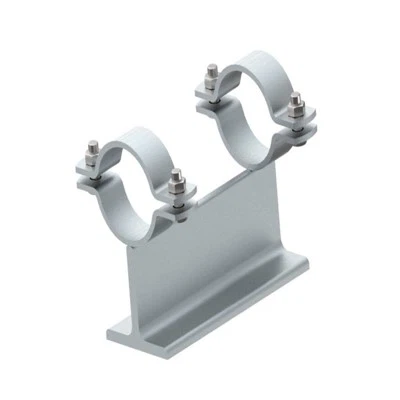
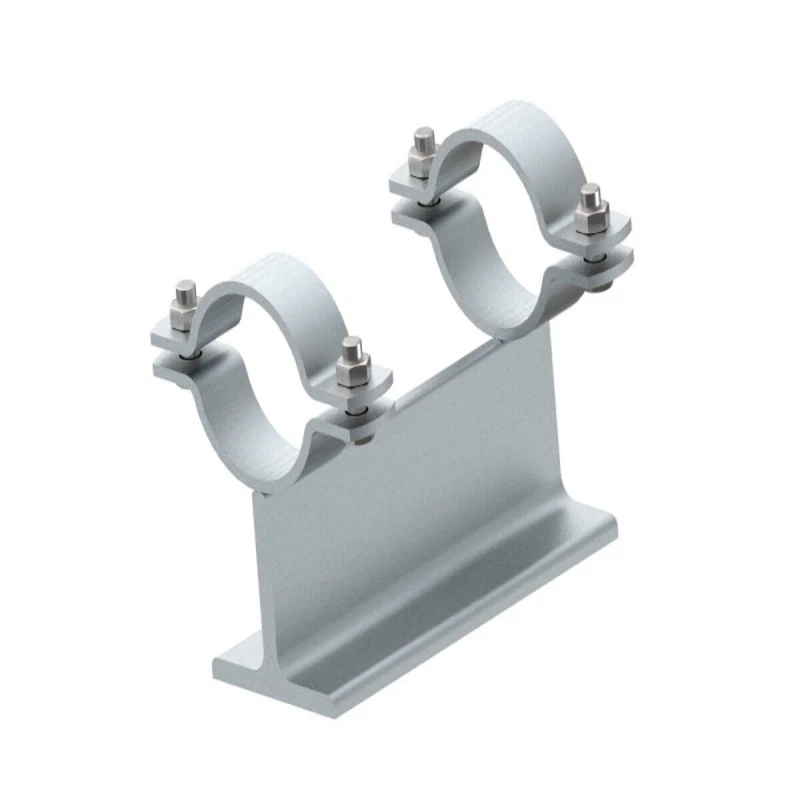
T - Type Pipe Supports with Clamp: T - type pipe supports with clamps are used to secure pipes in place. The clamps provide a tight grip on the pipe, preventing it from moving. Our T - type pipe supports with clamps are available in different materials and coatings to meet the corrosion resistance requirements of different applications.
Conclusion
Corrosion resistance is a critical factor in the performance and longevity of rigid pipe supports. By understanding the factors that affect corrosion resistance and taking appropriate measures to protect the pipe supports, we can ensure that they perform reliably in various environments.
As a supplier, we are committed to providing high - quality, corrosion - resistant pipe supports to our customers. Our team of experts can help you select the right pipe supports for your specific application, taking into account factors such as the environment, the type of pipe, and the load requirements.
If you are in need of rigid pipe supports and want to discuss your requirements in more detail, we invite you to contact us for a consultation. Our sales team is ready to assist you in finding the best solutions for your projects.
References
- "Corrosion Handbook" by Bruce D. Craig
- "Handbook of Corrosion Engineering" by Pierre R. Roberge
- "Corrosion of Metals" by L. L. Shreir, R. A. Jarman, and G. T. Burstein