Hey there! As a supplier of hydraulic dampers, I often get asked about the damping force of these nifty devices. So, let's dive right in and break down what the damping force of a hydraulic damper is all about.
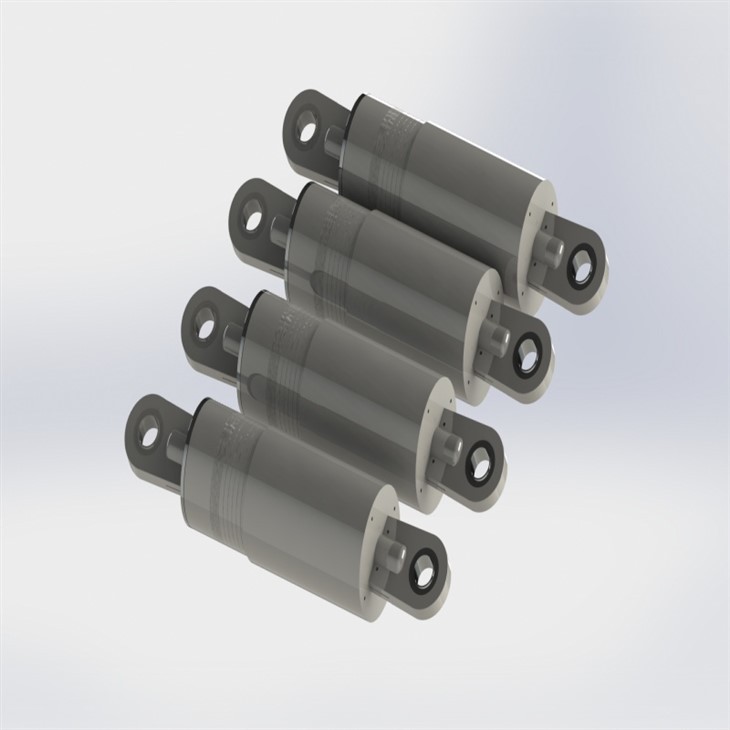
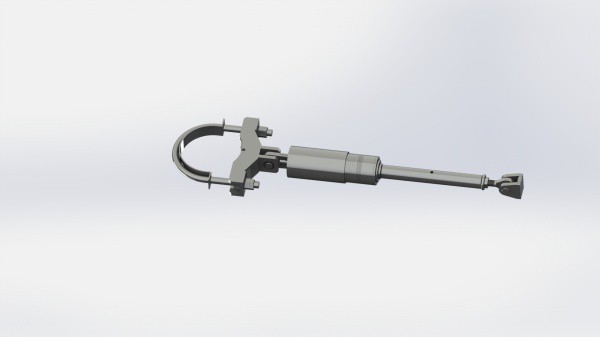
First off, what's a hydraulic damper? Well, you can think of it as a device that controls motion by dissipating energy. It's kind of like a shock - absorber for various applications. You can learn more about it here: Hydraulic Damper.
Now, onto the damping force. The damping force is the resistance that a hydraulic damper provides against motion. It's what makes the damper work to slow down or control the movement of an object. In simple terms, when an external force tries to move something attached to the damper, the damper pushes back with a certain amount of force to resist that movement.
How does it do this? Inside a hydraulic damper, there's hydraulic fluid. When the damper is in action, the fluid is forced through small openings or valves. This flow of fluid creates resistance, which in turn generates the damping force. The size of the openings, the viscosity of the fluid, and the speed of the movement all play a role in determining how much damping force is produced.
Let's talk about some of the factors that affect the damping force. One of the most important factors is the velocity of the motion. Generally, the damping force increases as the velocity of the object moving against the damper increases. This is because at higher speeds, more fluid needs to be forced through the valves in a shorter amount of time, creating more resistance.
The viscosity of the hydraulic fluid is also crucial. A more viscous fluid will create more resistance as it flows through the valves, resulting in a higher damping force. However, if the fluid is too viscous, it might cause the damper to be too stiff and not respond well to small or slow movements.
The design of the valves inside the damper is another key factor. Different valve designs can allow for different levels of fluid flow and, therefore, different damping forces. Some valves are adjustable, which means you can change the damping force according to your specific needs.
Now, why is the damping force so important? Well, in many applications, it's essential for safety and performance. For example, in the automotive industry, Hydraulic Shock Absorbers use damping force to make sure the ride is smooth and the vehicle remains stable. When you hit a bump on the road, the shock absorber's damping force helps to keep the wheels in contact with the ground and prevents the car from bouncing all over the place.
In industrial settings, hydraulic dampers are used to protect machinery from sudden shocks and vibrations. The damping force helps to absorb the energy from these impacts, reducing wear and tear on the equipment and extending its lifespan.
Let's take a look at some real - world examples of how the damping force of hydraulic dampers is applied. In construction, hydraulic dampers are used in buildings to resist the forces caused by earthquakes or strong winds. The damping force helps to dissipate the energy from these external forces, reducing the stress on the building's structure and keeping it safe.
In the aerospace industry, hydraulic dampers are used in aircraft landing gear. The damping force helps to absorb the shock when the plane touches down, ensuring a smooth and safe landing.
If you're in the market for a hydraulic damper, it's crucial to understand your specific requirements for the damping force. You need to consider the type of motion you're trying to control, the speed of that motion, and the amount of energy that needs to be dissipated.
As a supplier, I can offer a wide range of hydraulic dampers with different damping force capabilities. Whether you need a damper for a small - scale project or a large industrial application, we've got you covered. Our team of experts can help you select the right damper based on your specific needs.
If you're interested in learning more about our products or discussing your project requirements, don't hesitate to reach out. We're here to help you find the perfect hydraulic damper solution for your needs. Whether you're looking to improve the performance of your machinery, enhance the safety of your vehicle, or protect your building from external forces, we can provide you with high - quality hydraulic dampers that deliver the right amount of damping force.
In conclusion, the damping force of a hydraulic damper is a critical aspect that determines its effectiveness in various applications. By understanding the factors that affect the damping force and choosing the right damper for your needs, you can ensure optimal performance and safety. So, if you have any questions or are ready to start a project, get in touch with us and let's work together to find the best solution.
References
- Engineering Mechanics: Dynamics textbooks for basic understanding of forces and motion.
- Hydraulic Engineering literature for in - depth knowledge of hydraulic fluid behavior and damper design.