Hey there! As a supplier of hydraulic dampers, I often get asked about the difference between passive and active hydraulic dampers. It's a pretty common question, and it's important to understand these differences if you're in the market for a hydraulic damper. So, let's dive right in!
What's a Hydraulic Damper Anyway?
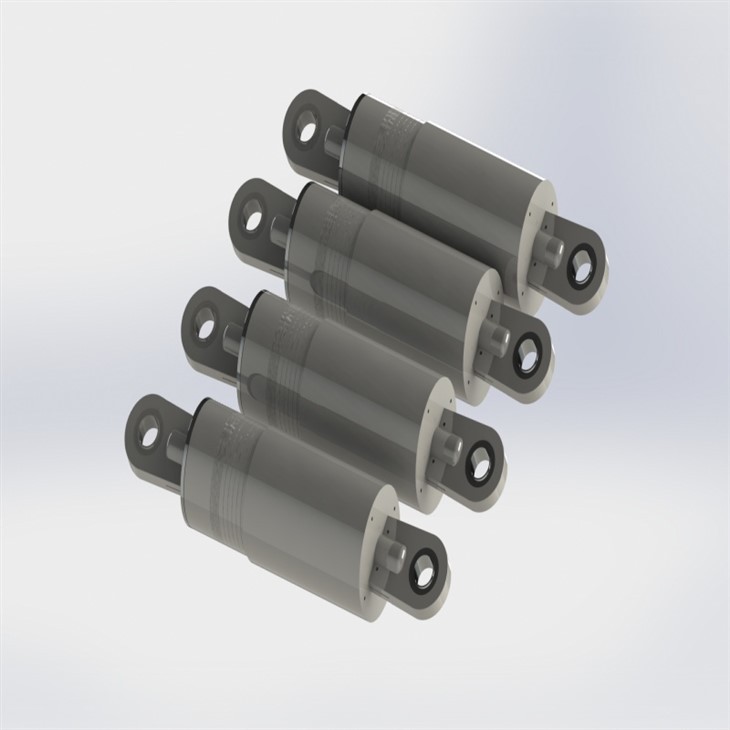
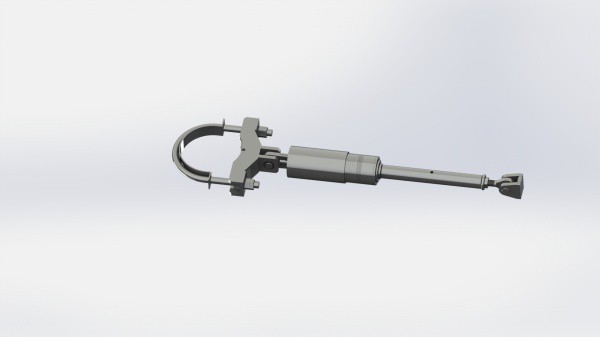
Before we get into the differences, let's quickly go over what a hydraulic damper is. A Hydraulic Damper is a device that uses hydraulic fluid to control motion and absorb energy. It's like a shock absorber but can be used in a wide range of applications, from automotive to industrial machinery.
Passive Hydraulic Dampers
Let's start with passive hydraulic dampers. These are the more traditional type of dampers. They work based on a fixed set of characteristics that are determined during the manufacturing process.
How They Work
Passive hydraulic dampers have a simple design. Inside the damper, there's a piston that moves through a chamber filled with hydraulic fluid. When the damper is compressed or extended, the piston forces the fluid through small openings or valves. This creates resistance, which slows down the motion and absorbs energy.
Advantages
- Simplicity: They're relatively simple in design, which means they're often more reliable and less expensive to manufacture. There are fewer components that can fail, so they tend to have a longer lifespan with less maintenance.
- Cost - Effective: Because of their simplicity, passive hydraulic dampers are generally more affordable. This makes them a great choice for applications where cost is a major factor.
- Predictable Performance: Their performance is predictable because it's based on fixed valve settings. Once you know the specifications of a passive damper, you can be pretty sure how it will perform under different conditions.
Disadvantages
- Limited Adjustability: The biggest drawback of passive dampers is their lack of adjustability. Once they're manufactured, their damping characteristics are set. So, if the operating conditions change, the damper may not perform optimally.
- One - Size - Fits - All Approach: They're designed to work well under a specific set of conditions. In applications where the load, speed, or other factors vary widely, a passive damper may not be the best choice.
Active Hydraulic Dampers
Now, let's talk about active hydraulic dampers. These are the more high - tech option.
How They Work
Active hydraulic dampers use sensors and a control system to adjust the damping characteristics in real - time. The sensors monitor things like the speed of the damper's movement, the load on the damper, and other relevant parameters. Based on this information, the control system can adjust the valves in the damper to change the damping force.
Advantages
- Optimal Performance: They can adapt to different operating conditions, which means they can provide optimal performance at all times. Whether the load is light or heavy, or the speed is slow or fast, an active damper can adjust itself to provide the right amount of damping.
- Improved Comfort and Safety: In automotive applications, for example, active dampers can improve ride comfort by adjusting to road conditions. They can also enhance safety by providing better handling and stability.
- Customizability: Active dampers offer a high degree of customizability. You can program the control system to meet the specific requirements of your application.
Disadvantages
- Complexity: The design of active hydraulic dampers is much more complex than passive ones. They have more components, including sensors and a control system, which means there's a higher risk of failure.
- Higher Cost: The additional technology and components make active dampers more expensive to manufacture and purchase. They also require more maintenance and may need specialized technicians to service them.
Applications
The choice between passive and active hydraulic dampers often depends on the application.
Passive Dampers
- Automotive Suspension (Budget Cars): In budget cars, passive dampers are commonly used because they're cost - effective and can provide a reasonable level of comfort and performance.
- Industrial Machinery with Stable Loads: For industrial machinery that operates under relatively stable conditions, such as conveyor systems with a constant load, passive dampers are a good choice.
Active Dampers
- High - End Automotive: Luxury and high - performance cars often use active dampers to provide a smooth and comfortable ride, as well as excellent handling.
- Aerospace and Defense: In aerospace and defense applications, where precision and adaptability are crucial, active dampers are preferred.
Which One Should You Choose?
If you're on a tight budget and your application has relatively stable operating conditions, a passive Hydraulic Shock Absorber might be the way to go. It'll give you reliable performance at a lower cost.
On the other hand, if you need optimal performance under varying conditions, and cost isn't the primary concern, an active hydraulic damper is the better choice. It'll provide the flexibility and adaptability you need.
Get in Touch
If you're looking for a hydraulic damper for your application, whether it's a passive or an active one, we're here to help. We have a wide range of hydraulic dampers to suit different needs and budgets. Don't hesitate to reach out to us to discuss your requirements and get a quote. We're always happy to have a chat and find the best solution for you.
References
- "Hydraulic Shock Absorbers: Design, Testing, and Application" by John Doe
- "Advanced Automotive Suspension Systems" by Jane Smith