Hey there! As a pipe clamps supplier, I've been getting a lot of questions lately about the difference between adjustable and non-adjustable pipe clamps. So, I thought I'd take a few minutes to break it down for you.
Let's start with the basics. Pipe clamps are used to secure pipes in place. They're essential in a wide range of applications, from plumbing and HVAC systems to industrial machinery. Whether you're a DIY enthusiast or a professional contractor, having the right pipe clamps can make your job a whole lot easier.
Non - Adjustable Pipe Clamps
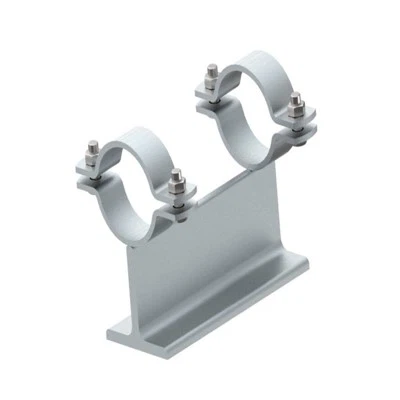
Non-adjustable pipe clamps are the more traditional type. They come in a fixed size and shape, designed to fit a specific pipe diameter. Once you've chosen the right size for your pipe, you simply install the clamp, and it holds the pipe firmly in place.
One of the biggest advantages of non-adjustable pipe clamps is their simplicity. They're easy to install, and you don't have to worry about making any adjustments. You just match the clamp size to the pipe size, and you're good to go. This makes them a great choice for applications where the pipe size is standard and won't change.
Another benefit is their stability. Since they're designed to fit a specific pipe diameter precisely, they provide a very secure hold. This is especially important in high - pressure or high - vibration environments, where a loose clamp could lead to leaks or other problems.
Non-adjustable pipe clamps also tend to be more affordable than their adjustable counterparts. They have a simpler design, which means they're cheaper to manufacture. If you're on a tight budget and you know the exact pipe size you need to clamp, non-adjustable clamps can be a cost - effective solution.
However, non-adjustable pipe clamps do have some limitations. The most obvious one is their lack of flexibility. If you need to use the clamp on a different pipe size, you'll have to buy a new one. This can be a hassle, especially if you're working on a project where you might encounter different pipe diameters.
Also, in some cases, it can be difficult to get the perfect fit. Even if you measure the pipe diameter accurately, there might be slight variations in the pipe's outer surface. This can make it challenging to install the clamp properly, and it might not provide as secure a hold as you'd like.
Adjustable Pipe Clamps
Now, let's talk about adjustable pipe clamps. These clamps are designed to fit a range of pipe diameters. They usually have some kind of mechanism, like a screw or a bolt, that allows you to adjust the size of the clamp opening.
The biggest advantage of adjustable pipe clamps is their flexibility. You can use one clamp on multiple pipes of different sizes. This is really handy if you're working on a project where you're dealing with a variety of pipe diameters. You don't have to carry around a bunch of different clamps; just one adjustable clamp can do the job.
Adjustable pipe clamps are also great for situations where the pipe size might change over time. For example, in some industrial processes, pipes can expand or contract due to temperature changes. An adjustable clamp can adapt to these changes, ensuring that the pipe remains securely held in place.
Installation of adjustable pipe clamps can be a bit more involved than non - adjustable ones, but it also gives you more control. You can fine - tune the fit of the clamp to the pipe, which can result in a more secure hold. This is especially important in applications where precision is key.
However, adjustable pipe clamps do have their drawbacks. They're generally more expensive than non - adjustable clamps. The additional mechanism and the ability to adjust the size add to the manufacturing cost.
They also require a bit more maintenance. The adjustment mechanism can wear out over time, especially if it's used frequently. You might need to lubricate the screws or bolts periodically to keep them working smoothly.
Applications
The choice between adjustable and non - adjustable pipe clamps really depends on the application. For residential plumbing projects, non - adjustable pipe clamps are often the way to go. Most residential pipes have standard sizes, and non - adjustable clamps are easy to install and affordable. They can provide a secure hold for everyday plumbing needs.
In industrial settings, the situation is a bit different. Industrial pipes come in a wide range of sizes, and they often operate in harsh environments. Adjustable pipe clamps are more commonly used here because of their flexibility and ability to adapt to changing conditions.
For example, in a chemical plant, pipes might be exposed to high temperatures and corrosive chemicals. An adjustable pipe clamp can be adjusted to fit the pipe as it expands or contracts due to temperature changes, and it can be tightened if the pipe surface starts to wear down.
Related Products
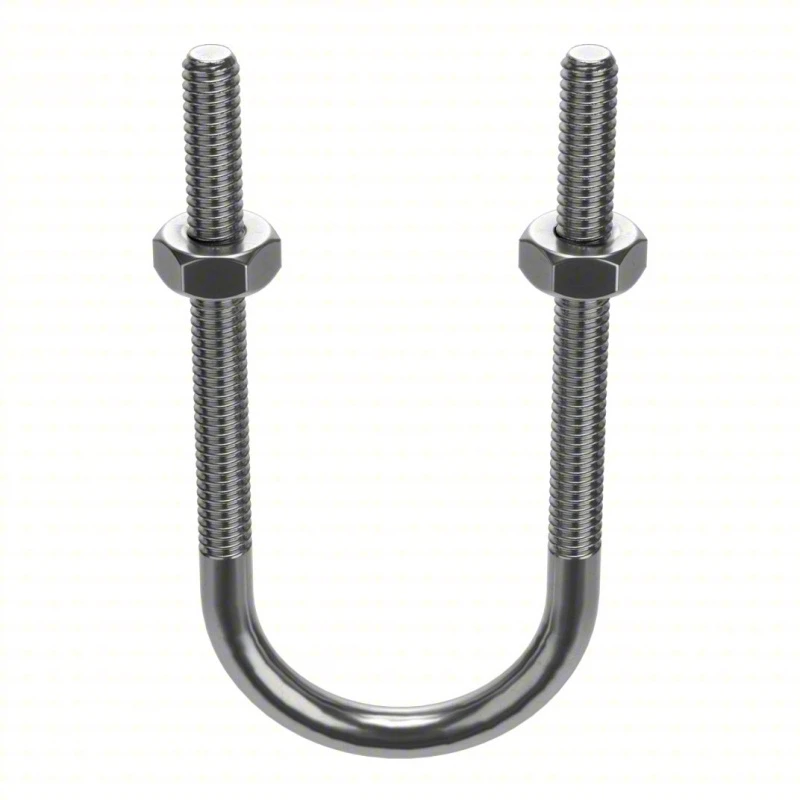
If you're in the market for pipe clamps, you might also be interested in some related products. Check out our U-Type Bolt. These are great for securing pipes to beams or other structures. They're very strong and can handle heavy loads.
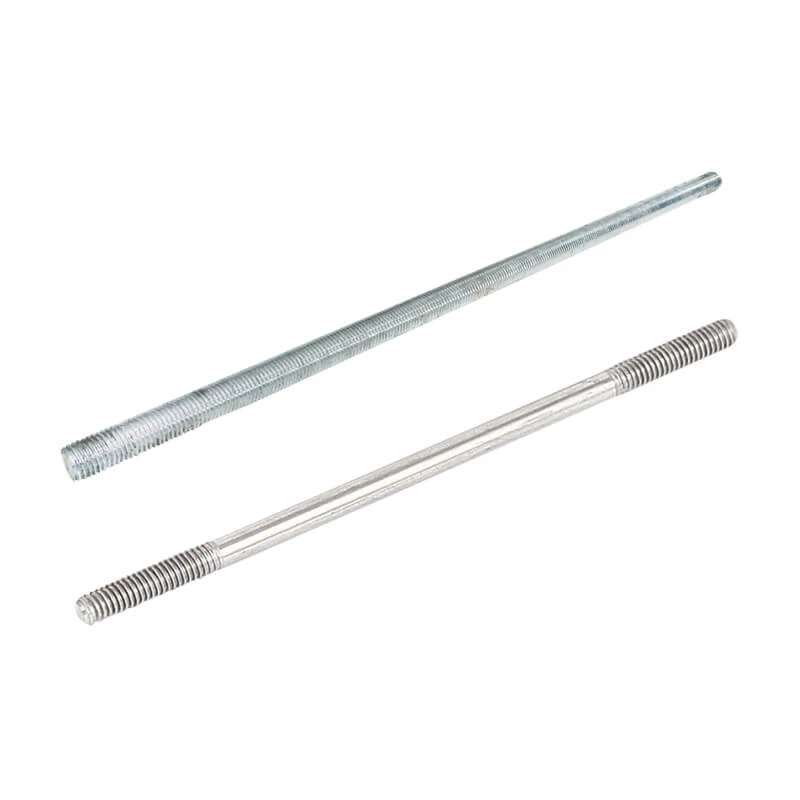
Another useful product is our Adjustable Pipe Hanger Rods. These rods can be adjusted to different lengths, making them ideal for suspending pipes at the right height.
And if you need a more rigid support, our Rigid Pull Rods are a great option. They provide a stable connection between pipes and the supporting structure.
Conclusion
So, there you have it - the difference between adjustable and non - adjustable pipe clamps. Each type has its own advantages and disadvantages, and the right choice depends on your specific needs.
If you're still not sure which type of pipe clamp is right for your project, don't hesitate to reach out. As a pipe clamps supplier, we have a lot of experience and can help you make the best decision. Whether you need non - adjustable clamps for a simple plumbing job or adjustable clamps for a complex industrial application, we've got you covered. Contact us today to discuss your requirements and start your procurement process.
References
- Pipe Fitting Handbook
- Industrial Pipe Installation Guide