As a reputable supplier of Rigid Pull Rods, I've seen firsthand the crucial role these components play in various industrial applications. In this blog, I'll delve into the effects of chemical substances on rigid pull rods, exploring both the challenges and potential solutions to ensure their longevity and performance.
Understanding Rigid Pull Rods
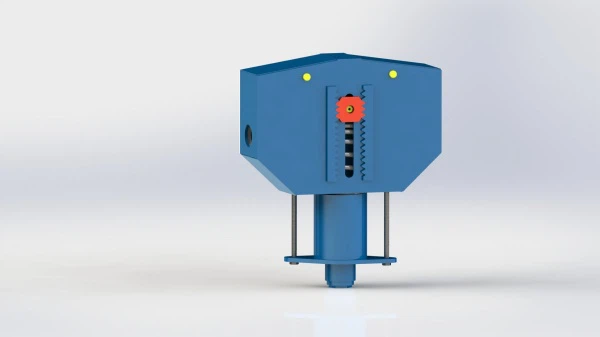
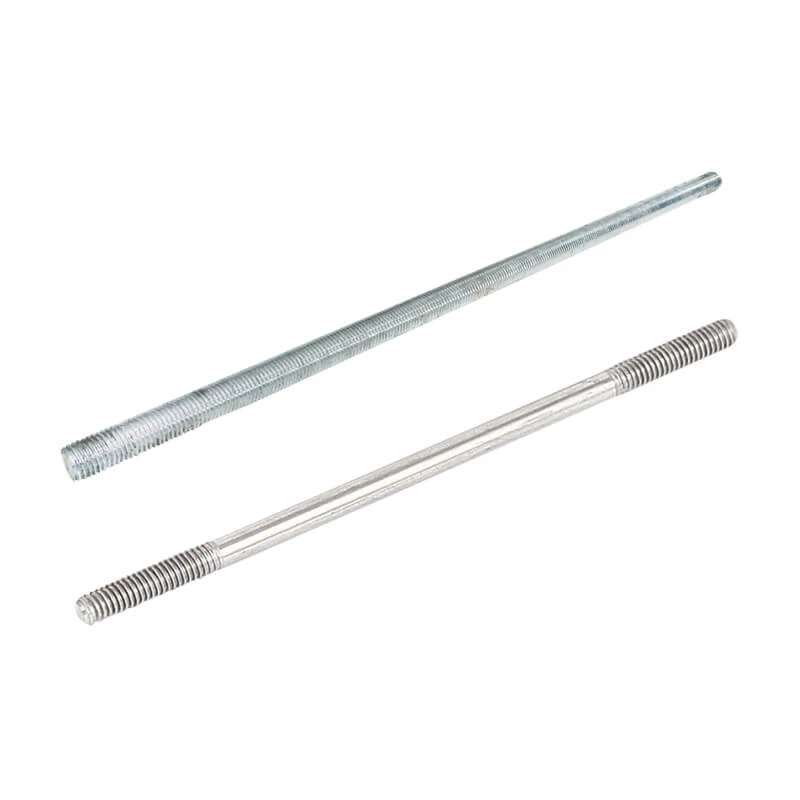
Rigid Pull Rods are essential elements in many piping systems, providing structural support and stability. They are designed to withstand significant loads and maintain the integrity of the piping network. You can find more information about our Rigid Pull Rods on our website. These rods are commonly used in industries such as oil and gas, chemical processing, and power generation, where reliability is of utmost importance.
Chemical Exposure: A Double-Edged Sword
Chemical substances are ubiquitous in industrial environments, and rigid pull rods are often exposed to a wide range of them. While some chemicals have minimal impact on the rods, others can cause significant damage over time. The effects of chemical exposure can be broadly categorized into two main types: corrosion and material degradation.
Corrosion
Corrosion is one of the most common and detrimental effects of chemical exposure on rigid pull rods. When a rod comes into contact with corrosive chemicals, a chemical reaction occurs that gradually eats away at the metal surface. This can lead to a reduction in the rod's cross-sectional area, weakening its structural integrity and increasing the risk of failure.
The rate of corrosion depends on several factors, including the type of chemical, its concentration, temperature, and the duration of exposure. For example, acids and alkalis are particularly corrosive to many metals, and even small amounts can cause significant damage over time. In addition, high temperatures can accelerate the corrosion process, making it even more challenging to control.
Material Degradation
In addition to corrosion, chemical substances can also cause material degradation in rigid pull rods. This can occur through a variety of mechanisms, such as embrittlement, stress corrosion cracking, and hydrogen-induced cracking.
Embrittlement is a process in which a metal becomes more brittle and less ductile due to the presence of certain chemicals. This can make the rod more prone to cracking and failure under stress. Stress corrosion cracking occurs when a combination of tensile stress and a corrosive environment causes cracks to form and propagate in the metal. Hydrogen-induced cracking is a similar phenomenon that occurs when hydrogen atoms diffuse into the metal lattice, causing it to become brittle and crack.

Factors Affecting Chemical Resistance
The chemical resistance of rigid pull rods depends on several factors, including the material of the rod, its surface finish, and the presence of protective coatings.
Material Selection
The choice of material is crucial when it comes to chemical resistance. Different metals have different levels of resistance to various chemicals, so it's important to select a material that is suitable for the specific application. For example, stainless steel is a popular choice for rigid pull rods in corrosive environments due to its high resistance to oxidation and corrosion. Other materials, such as carbon steel and alloy steel, may also be used depending on the requirements of the application.
Surface Finish
The surface finish of a rigid pull rod can also affect its chemical resistance. A smooth, polished surface is less likely to trap chemicals and is therefore more resistant to corrosion. In addition, a surface finish can also help to prevent the formation of crevices and other areas where corrosion can occur.
Protective Coatings
Protective coatings are another effective way to enhance the chemical resistance of rigid pull rods. These coatings can provide a barrier between the rod and the corrosive environment, preventing direct contact and reducing the risk of corrosion. There are several types of protective coatings available, including paints, epoxy coatings, and zinc coatings. The choice of coating depends on the specific application and the type of chemicals the rod will be exposed to.
Mitigating the Effects of Chemical Exposure
To minimize the effects of chemical exposure on rigid pull rods, it's important to take proactive measures to protect them. Here are some strategies that can be employed:
Material Selection
As mentioned earlier, selecting the right material is crucial. Consider the chemical environment the rods will be exposed to and choose a material that has high resistance to those chemicals. Stainless steel, for example, is often a good choice for corrosive environments.
Protective Coatings
Applying a protective coating to the rods can significantly enhance their chemical resistance. Coatings such as epoxy, polyurethane, or zinc can provide a barrier between the rod and the corrosive chemicals, preventing direct contact and reducing the risk of corrosion.
Regular Inspection and Maintenance
Regular inspection and maintenance are essential to detect and address any signs of chemical damage early on. Inspect the rods for signs of corrosion, cracking, or other damage, and replace any rods that show significant wear or damage.
Environmental Control
Controlling the environment in which the rods are used can also help to minimize the effects of chemical exposure. This may include measures such as reducing the concentration of corrosive chemicals, controlling the temperature and humidity, and providing adequate ventilation.
Case Studies
To illustrate the importance of considering chemical effects on rigid pull rods, let's look at a few real-world case studies.
Case Study 1: Chemical Processing Plant
In a chemical processing plant, rigid pull rods were used to support a piping system that carried a corrosive chemical. Over time, the rods began to show signs of corrosion, and some of them eventually failed. The failure was attributed to the lack of proper material selection and protective coatings. After the incident, the plant replaced the rods with stainless steel rods and applied a protective epoxy coating. Since then, the new rods have shown excellent chemical resistance and have not experienced any significant corrosion.
Case Study 2: Oil and Gas Refinery
In an oil and gas refinery, rigid pull rods were used in a high-temperature, high-pressure environment. The rods were exposed to a variety of chemicals, including acids and alkalis. Due to the harsh environment, the rods began to experience material degradation, including embrittlement and stress corrosion cracking. To address the issue, the refinery implemented a comprehensive inspection and maintenance program, including regular testing of the rods for signs of damage. In addition, they replaced the rods with a more corrosion-resistant material and applied a protective coating. These measures have helped to extend the lifespan of the rods and improve the reliability of the piping system.
Conclusion
In conclusion, chemical substances can have a significant impact on the performance and longevity of rigid pull rods. Corrosion and material degradation are two of the most common issues that can arise due to chemical exposure, but with proper material selection, surface finish, and protective coatings, these effects can be minimized.
As a supplier of Rigid Pull Rods, we understand the importance of providing high-quality products that can withstand the challenges of various industrial environments. Our team of experts can help you select the right material and protective coatings for your specific application, ensuring that your rigid pull rods provide reliable performance for years to come.
If you're interested in learning more about our Rigid Pull Rods or have any questions about chemical resistance, please don't hesitate to contact us. We're here to help you find the best solutions for your piping system needs. Whether you're in the oil and gas industry, chemical processing, or any other field that requires reliable rigid pull rods, we're confident that we can meet your requirements.
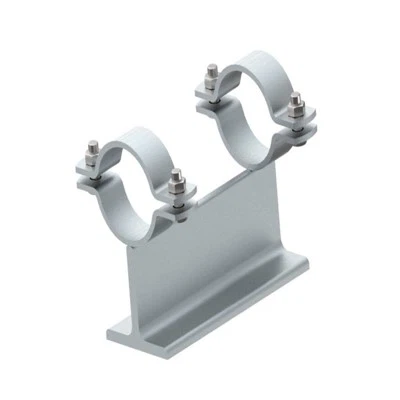
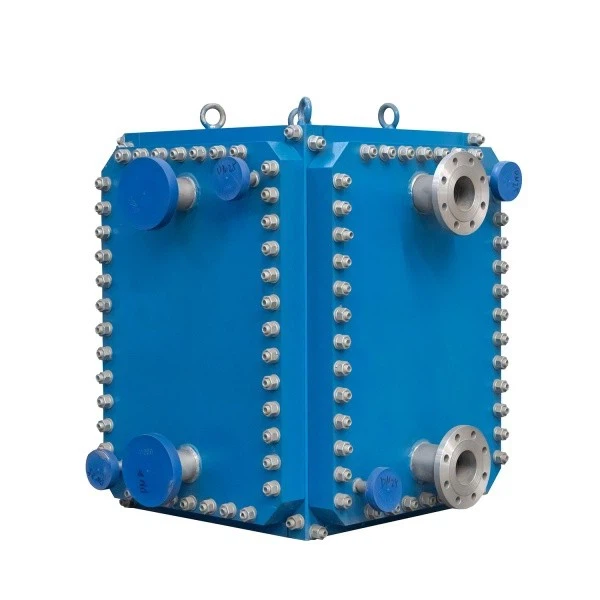
In addition to Rigid Pull Rods, we also offer a wide range of other pipe hangers and accessories, including Sight Glass and Pipe Clamps. These products are designed to work together to provide a comprehensive solution for your piping system needs.
References
- ASM Handbook Volume 13A: Corrosion: Fundamentals, Testing, and Protection
- NACE International: Corrosion Basics
- ASTM International: Standards for Testing and Evaluation of Metals in Corrosive Environments