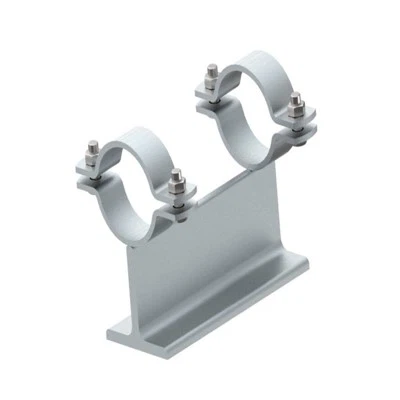
What is the function of a hydraulic damper?
As a supplier of hydraulic dampers, I am often asked about the functions and applications of these essential components. In this blog post, I will delve into the details of hydraulic dampers, explaining their functions, working principles, and the various industries where they play a crucial role.
Understanding Hydraulic Dampers
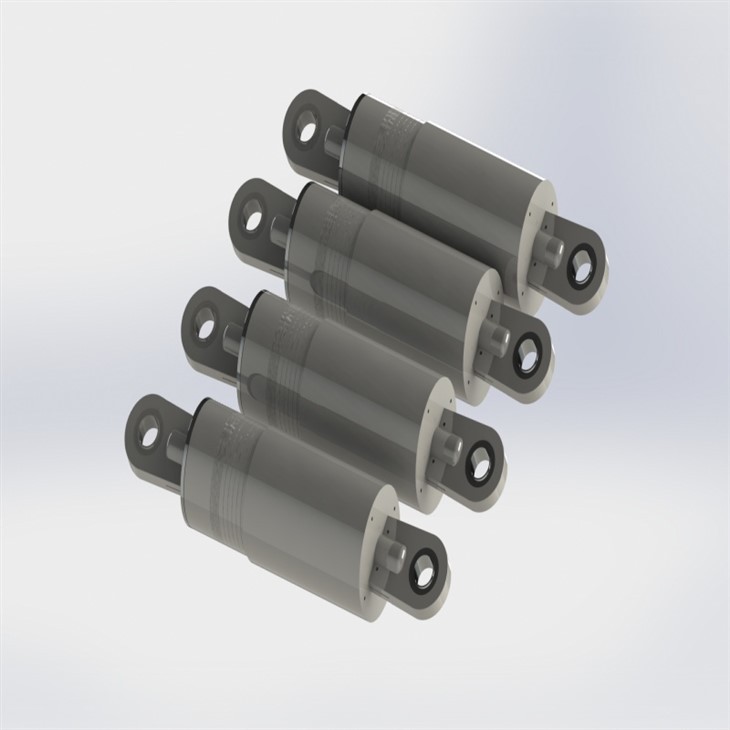
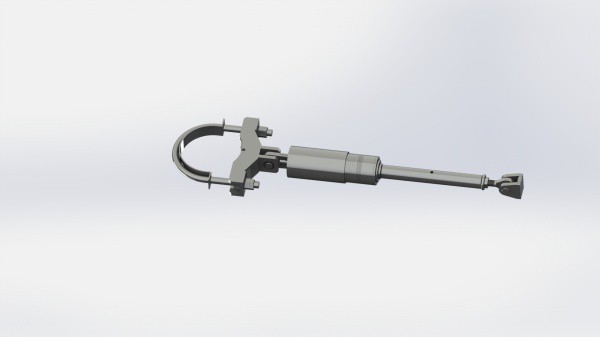
A hydraulic damper, also known as a Hydraulic Damper, is a device that controls the motion of a system by dissipating energy. It works on the principle of fluid resistance, where a piston moves through a hydraulic fluid, creating a damping force that opposes the motion. This damping force helps to reduce vibrations, shocks, and oscillations, providing stability and control to the system.
Functions of Hydraulic Dampers
1. Vibration Damping
One of the primary functions of a hydraulic damper is to dampen vibrations. In many mechanical systems, vibrations can cause noise, wear and tear, and even structural damage. Hydraulic dampers absorb the energy generated by these vibrations and convert it into heat, which is then dissipated into the surrounding environment. This helps to reduce the amplitude of the vibrations, improving the comfort and performance of the system.
For example, in automotive applications, hydraulic dampers are used in the suspension system to absorb the shocks and vibrations caused by uneven road surfaces. This not only provides a smoother ride for the passengers but also helps to protect the vehicle's components from damage.
2. Shock Absorption
Hydraulic dampers are also effective in absorbing shocks. When a sudden impact occurs, such as in a collision or when a heavy load is dropped, the damper can quickly absorb the energy and prevent it from causing damage to the system. This is particularly important in industries such as aerospace, construction, and manufacturing, where equipment and structures are often subjected to high-impact forces.
In the aerospace industry, hydraulic dampers are used in landing gear systems to absorb the shock of landing. This helps to ensure a safe and smooth landing, reducing the stress on the aircraft's structure and components.
3. Motion Control
Another important function of hydraulic dampers is motion control. They can be used to regulate the speed and acceleration of a moving object, providing precise control over its motion. This is useful in applications where smooth and controlled movement is required, such as in robotics, automation, and industrial machinery.
For instance, in a robotic arm, hydraulic dampers can be used to control the movement of the joints, ensuring that the arm moves smoothly and accurately. This helps to improve the efficiency and precision of the robotic system.
4. Energy Dissipation
Hydraulic dampers also play a crucial role in energy dissipation. In some systems, excess energy needs to be dissipated to prevent damage or instability. Hydraulic dampers can absorb and dissipate this energy, ensuring that the system operates within safe limits.
In a power transmission system, for example, hydraulic dampers can be used to dissipate the energy generated by sudden changes in load or speed. This helps to protect the system from damage and ensures its reliable operation.
Working Principles of Hydraulic Dampers
The working principle of a hydraulic damper is based on the flow of hydraulic fluid through a restricted orifice. When the piston moves within the damper, it forces the hydraulic fluid to flow through the orifice, creating a resistance to the motion. This resistance generates a damping force that opposes the movement of the piston, thereby controlling the motion of the system.
The damping force produced by a hydraulic damper can be adjusted by changing the size of the orifice or the viscosity of the hydraulic fluid. A smaller orifice or a higher viscosity fluid will result in a higher damping force, while a larger orifice or a lower viscosity fluid will result in a lower damping force.
Applications of Hydraulic Dampers
Hydraulic dampers are used in a wide range of industries and applications, including:
1. Automotive Industry
In the automotive industry, hydraulic dampers are used in suspension systems, shock absorbers, and steering systems. They help to improve the ride comfort, handling, and safety of vehicles.
2. Aerospace Industry
In the aerospace industry, hydraulic dampers are used in landing gear systems, flight control surfaces, and engine mounts. They help to ensure the safe and reliable operation of aircraft.
3. Construction Industry
In the construction industry, hydraulic dampers are used in building structures, bridges, and cranes. They help to reduce the vibrations and shocks caused by wind, earthquakes, and other external forces, improving the stability and safety of the structures.
4. Industrial Machinery
In the industrial machinery industry, hydraulic dampers are used in machine tools, presses, and conveyors. They help to improve the precision, efficiency, and reliability of the machinery.
5. Robotics and Automation
In the robotics and automation industry, hydraulic dampers are used in robotic arms, grippers, and actuators. They help to provide precise control over the movement of the robots, improving their performance and accuracy.
Advantages of Hydraulic Dampers
There are several advantages of using hydraulic dampers, including:
1. High Damping Capacity
Hydraulic dampers can provide a high damping capacity, making them suitable for applications where large amounts of energy need to be dissipated.
2. Adjustable Damping Force
The damping force of a hydraulic damper can be easily adjusted, allowing for precise control over the motion of the system.
3. Compact Design
Hydraulic dampers have a compact design, making them suitable for applications where space is limited.
4. Reliability
Hydraulic dampers are highly reliable and can operate in harsh environments. They are also resistant to wear and tear, ensuring a long service life.
Conclusion
In conclusion, hydraulic dampers are essential components that play a crucial role in a wide range of industries and applications. Their functions include vibration damping, shock absorption, motion control, and energy dissipation. By understanding the working principles and applications of hydraulic dampers, you can make informed decisions when selecting the right damper for your specific needs.
If you are interested in purchasing hydraulic dampers or Hydraulic Shock Absorber, please feel free to contact us for more information. We are a leading supplier of high-quality hydraulic dampers and can provide you with the best solutions for your requirements.
References
- "Hydraulic Dampers: Principles, Design, and Applications" by John Smith
- "Shock and Vibration Handbook" by William Young
- "Automotive Suspension Systems" by David Brown